
Sonam Wangchuk vows to continue hunger strike as CJP reclaims Jantar Mantar stage
.gif)

Download Mobile App 






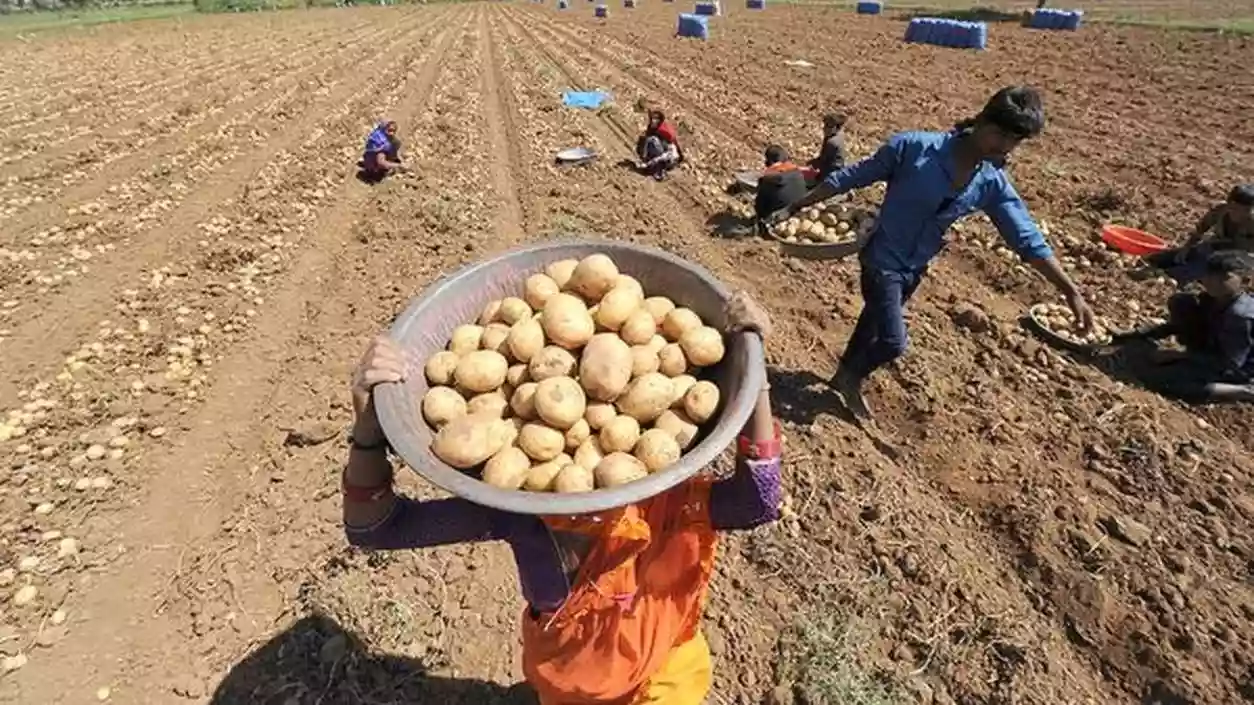
Potato farmers in parts of Paschim Medinipur district are facing mounting difficulties despite the state government’s announcement of procuring potatoes at a support price. Farmers say the absence of clear arrangements at the ground level has left them uncertain about where and how they can sell their produce, even as a good harvest this season has increased supply in the region.
In Chandrakona, one of the district’s key potato-growing areas, the crop yield has reportedly been strong this year. According to local agriculture department estimates, potatoes were cultivated on about eight hectares in Chandrakona-I block and around 12 hectares in Chandrakona-II block. The average production has been around 60 quintals per bigha, raising hopes of good earnings among farmers.
However, cultivators say the cost of production has far exceeded the returns they are receiving. Farmers estimate that cultivating potatoes on one bigha costs roughly ₹30,000 to ₹35,000, while the current earnings from sales range between ₹15,000 and ₹17,000, leaving them with losses of nearly ₹12,000 to ₹15,000 per bigha. Prices at the field level remain low, with the Jyoti variety selling for around ₹280–₹300 per quintal and the Pokhraj variety for ₹380–₹400 per quintal.
Farmers also complain that traders are showing little interest in purchasing potatoes, forcing many cultivators to sell their produce directly from the fields at depressed prices. At the same time, rising input expenses are adding to the burden. The price of sacks used for packaging has increased sharply from ₹8–₹10 to nearly ₹23 per sack, while labourers charge ₹35–₹40 per sack for packing.
Adding to the uncertainty, cold storage capacity in the region is already under pressure. Of the nearly 30 cold storages in the Chandrakona area, more than half are reportedly full, leaving farmers waiting in long queues to store their produce. Although procurement has begun on a limited scale at the Humgarh Cooperative Cold Storage at a support price of ₹950 per quintal, only a small number of farmers are currently able to sell there, while the procurement process is yet to begin in most other parts of the district.





.webp)


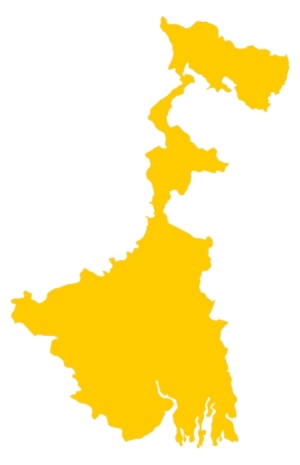 West Bengal
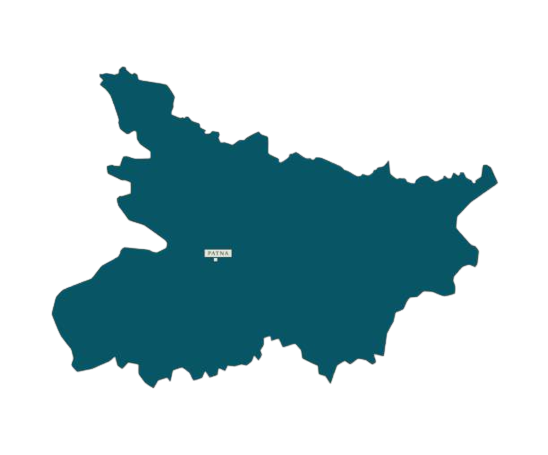 Bihar
Bihar Uttar Pradesh
 Jharkhand