
Sonam Wangchuk vows to continue hunger strike as CJP reclaims Jantar Mantar stage
.gif)

Download Mobile App 






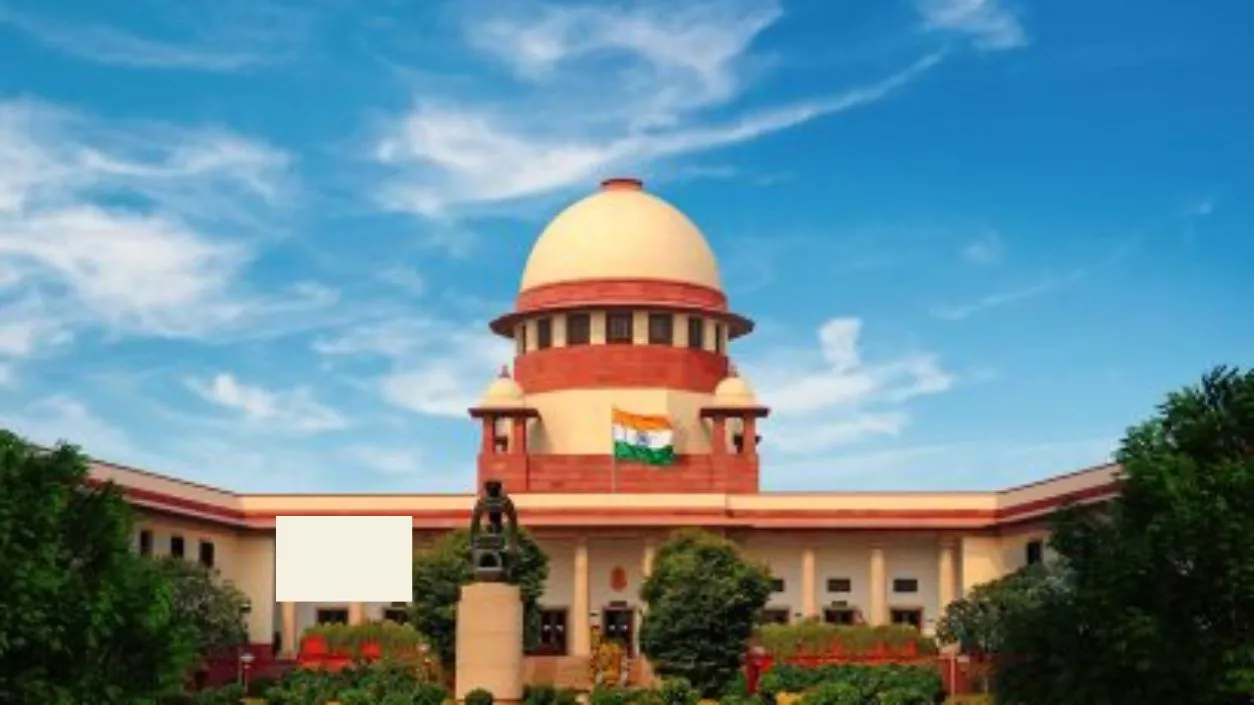
The Supreme Court of India has reserved its judgment on a set of draft guidelines aimed at ensuring timely pronouncement of judgments by High Courts, while seeking responses from all HCs on the proposed framework. The move comes as part of broader efforts to enhance accountability and transparency in the judicial system.
A bench comprising Chief Justice Surya Kant and Justice Joymalya Bagchi examined the suggestions prepared by amicus curiae Fauzia Shakil, describing the framework as constructive. The Court clarified that the objective is not to target judges but to strengthen institutional functioning, noting that delays often arise due to heavy workloads and attempts to handle large volumes of cases.
The draft guidelines propose that High Courts should endeavour to pronounce judgments within a maximum of three months from the date they are reserved. They also recommend that details of pending and delayed judgments be displayed on High Court websites, including the date of reservation and status updates, to ensure real-time monitoring.
Special emphasis has been placed on cases involving personal liberty, such as bail matters and criminal appeals where the accused is in custody, requiring greater urgency in hearings and pronouncements. The framework also suggests that if judgments remain pending beyond two months, the Chief Justice should be notified, with further steps including possible reassignment if delays extend beyond stipulated timelines.
The issue originated from concerns over prolonged delays in delivering verdicts, particularly in criminal appeals pending before the Jharkhand High Court. The Court expanded the scope to examine systemic delays across High Courts, indicating that final guidelines will be issued after reviewing responses, with the aim of streamlining judicial processes and safeguarding the right to timely justice.









 West Bengal
 Bihar
Bihar Uttar Pradesh
 Jharkhand