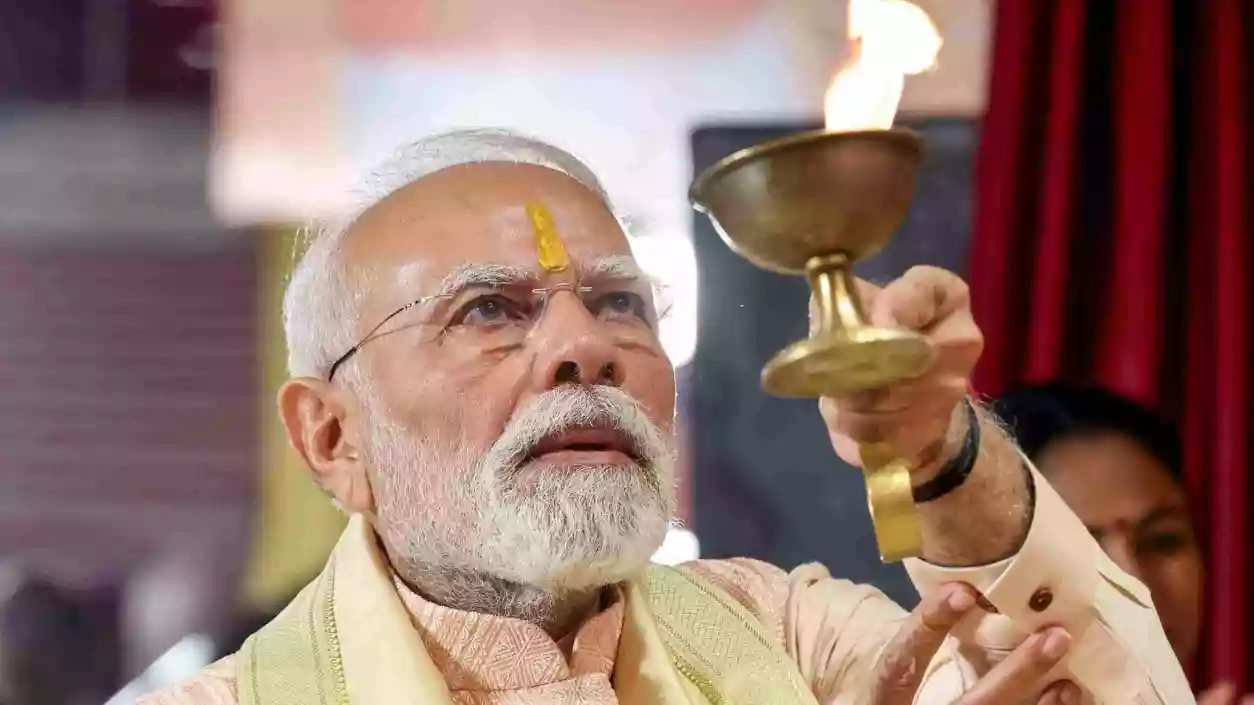
PM will offer Anjali to Maa Durga this Ashtami in Kolkata, receives multiple invitations
.gif)

Download Mobile App 






.webp)
Pakistan is grappling with a severe energy crisis as rising global oil prices and disruptions in supply routes have triggered economic concerns across the country. The situation has worsened as oil and gas shipments face difficulties passing through the Strait of Hormuz, affecting imports and pushing the government to take urgent fiscal measures to manage the crisis.
To address the growing pressure on the economy, the government approved a major increase in taxes on high-octane fuel, raising the duty from 100 Pakistani rupees to 300 rupees per litre. The move was approved during a high-level meeting chaired by Prime Minister Shehbaz Sharif, where senior ministers and officials reviewed the country's worsening energy situation and discussed emergency responses.
Pakistan’s heavy dependence on Middle Eastern oil imports has left it vulnerable to disruptions in the region. Reports indicate that oil and gas tankers carrying Pakistani supplies have faced delays in the Strait of Hormuz, leading to fears of a prolonged supply shortage. Officials say the country’s current reserves are limited, with crude oil stocks lasting about seven days, diesel around seventeen days, petrol roughly twenty to twenty-two days, jet fuel ten days, and LPG only six days.
The rising costs have already begun affecting transportation and travel. Petrol prices have climbed from PKR 266.17 per litre to PKR 321.17, while diesel prices increased from PKR 280.86 to PKR 335.86. Airline fares have also surged due to higher jet fuel prices, with domestic tickets rising by several thousand rupees and international flights witnessing even steeper increases, adding further strain to Pakistan’s struggling economy.







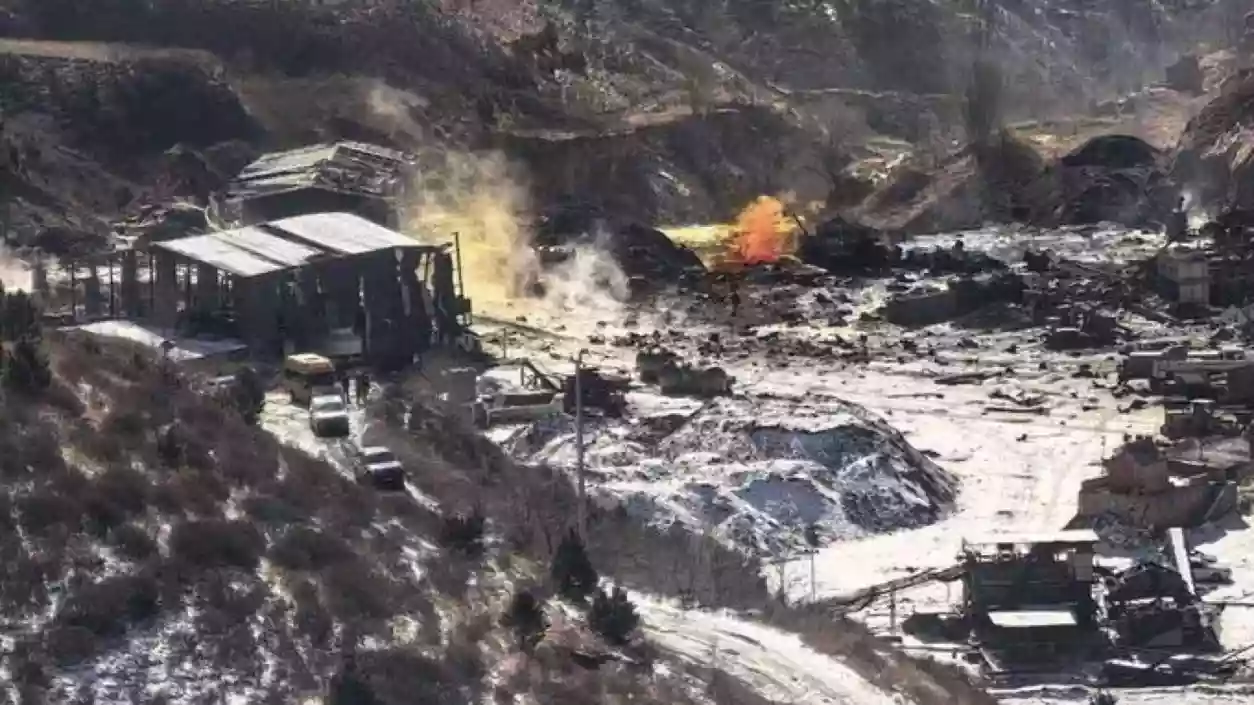


 West Bengal
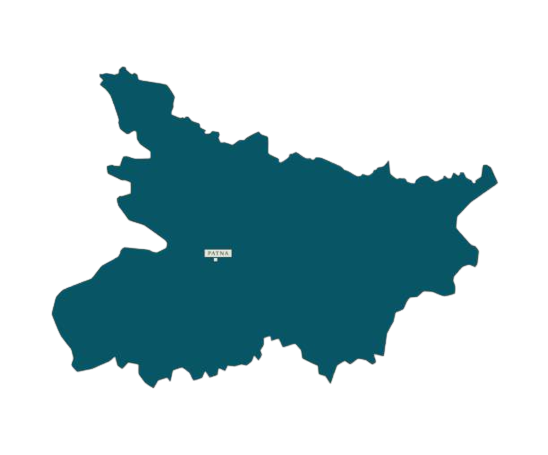 Bihar
Bihar Uttar Pradesh
 Jharkhand