
Bengal Govt elevates IPS Ajay Mukund Ranade to DGP (Law and Order)
.gif)

Download Mobile App 






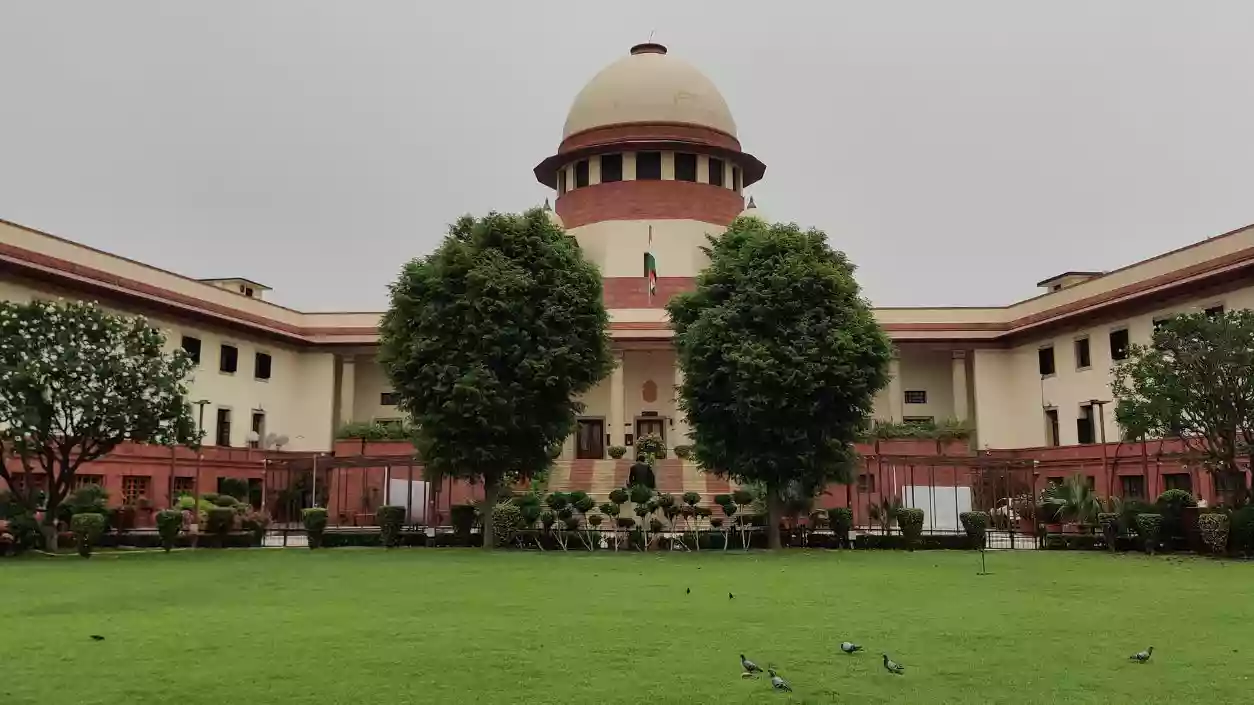
In a significant ruling, the Supreme Court of India has held that only individuals professing Hinduism, Sikhism, or Buddhism are eligible to claim Scheduled Caste (SC) status, reaffirming the constitutional position on caste-based entitlements. The court upheld a May 2025 verdict of the Andhra Pradesh High Court, making it clear that conversion to any other religion results in the immediate loss of SC status.
A bench of Justices P.K. Mishra and Manmohan observed that an individual cannot simultaneously profess a religion outside those specified under Clause 3 of the Constitution (Scheduled Castes) Order, 1950, and claim SC recognition. The court emphasised that this restriction is absolute and leaves no scope for exceptions, thereby reinforcing the legal framework governing caste-based reservations and protections.
The judgment also clarified that individuals who convert to religions such as Christianity cannot avail benefits or protections under the Scheduled Castes and Scheduled Tribes (Prevention of Atrocities) Act. The ruling came while hearing an appeal filed by a pastor who had alleged caste-based discrimination, despite having converted and actively practicing Christianity.
Upholding the Andhra Pradesh High Court’s earlier decision, the apex court noted that the complainant had been functioning as a pastor for several years and continued to profess Christianity at the time of the alleged incident. Based on these facts, the court ruled that he could not claim SC status or invoke legal protections meant exclusively for Scheduled Castes.
The court further observed that since the caste system is not formally recognised in religions like Christianity, conversion effectively severs the legal identity associated with Scheduled Castes. The ruling reiterates that religious identity remains a decisive factor in determining eligibility for constitutional safeguards and benefits under the SC category.



.webp)



.webp)


 West Bengal
 Bihar
Bihar Uttar Pradesh
 Jharkhand