.gif)

Download Mobile App 






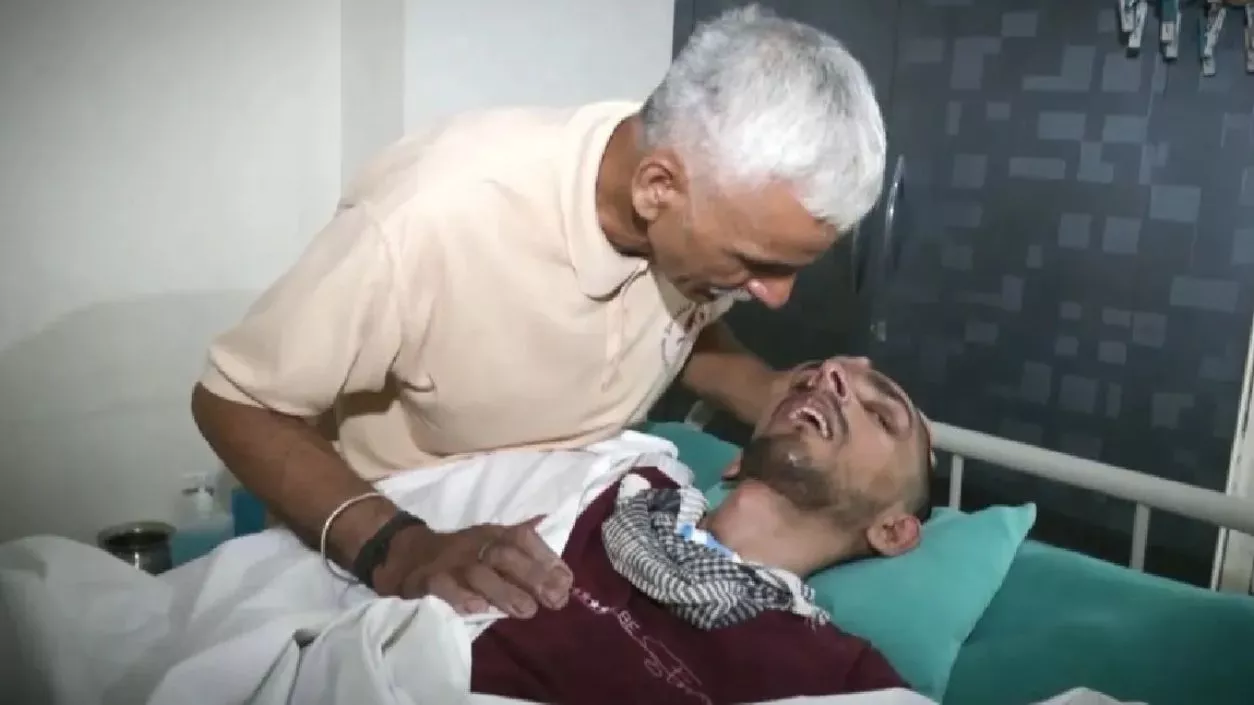
Harish Rana, the first person in India to be granted passive euthanasia, passed away at AIIMS-Delhi on Tuesday after spending more than 13 years in a coma. The 31-year-old had been in a vegetative state since 2013 following a fall from the fourth floor of his hostel, which left him paralysed with severe head injuries. He was shifted from his Ghaziabad home to the palliative care unit of a specialised hospital wing on March 14, shortly after the Supreme Court permitted withdrawal of life support.
In a landmark judgment on March 11, the apex court allowed passive euthanasia in Rana’s case, marking a significant moment in India’s legal and medical history. Following the ruling, a specialised medical team was constituted to ensure that the withdrawal of artificial nutrition and life support was carried out in a carefully monitored and dignified manner. His nutritional support, administered through medical tubes, was gradually withdrawn under expert supervision.
The court had emphasised that the process must uphold dignity, noting that Rana had no possibility of recovery and was surviving solely on clinically administered support. Medical boards had unanimously concluded that continued treatment only prolonged biological existence without improvement. The decision was also seen as a step forward in recognising the right to die with dignity under Article 21.
Rana’s family, who stood by him throughout the years, had supported the decision, stating it was not for personal benefit but in the larger public interest. His father had earlier said that allowing passive euthanasia would restore his son’s dignity after prolonged suffering. The court also acknowledged the family’s unwavering care and commitment during his long medical condition.
This case builds upon earlier legal precedents, including the 2018 recognition of passive euthanasia and subsequent easing of procedures in 2023. The Supreme Court also urged the Union government to consider comprehensive legislation on the issue, highlighting the need for clearer legal and medical frameworks for similar cases in the future.
.webp)

.webp)

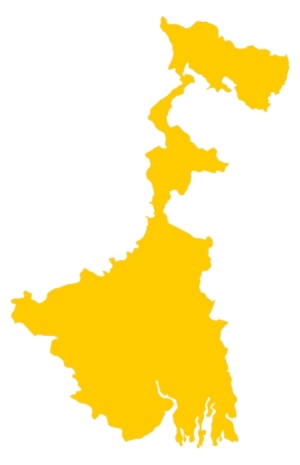 West Bengal
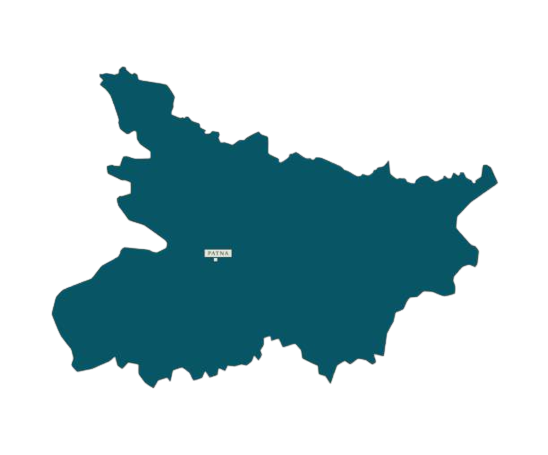 Bihar
Bihar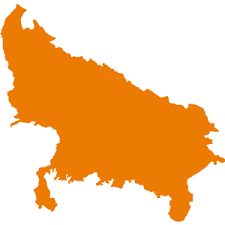 Uttar Pradesh
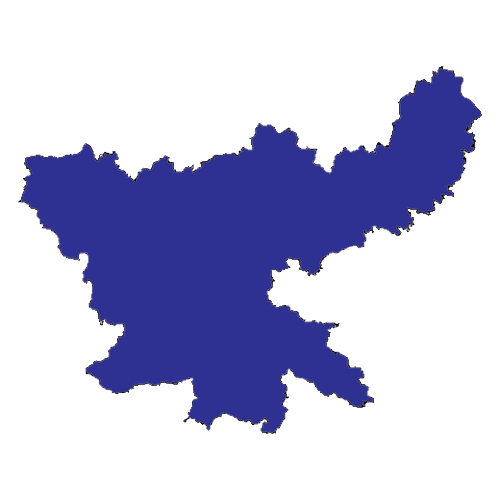 Jharkhand