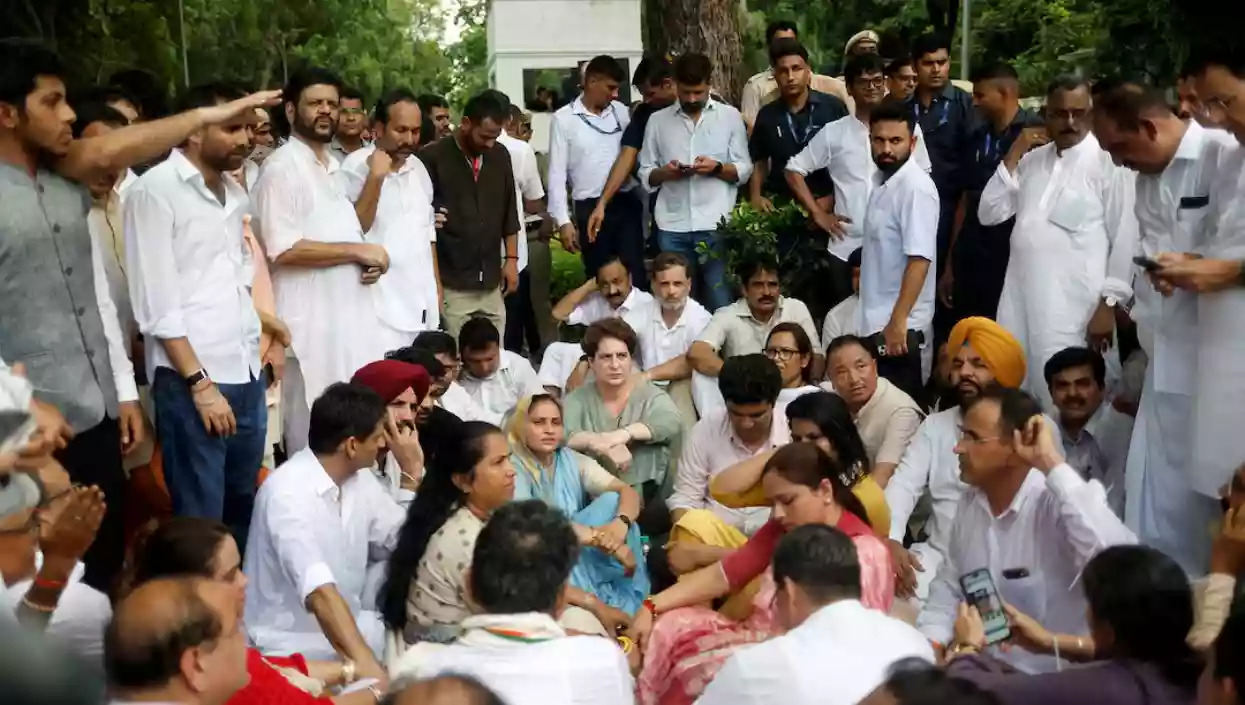
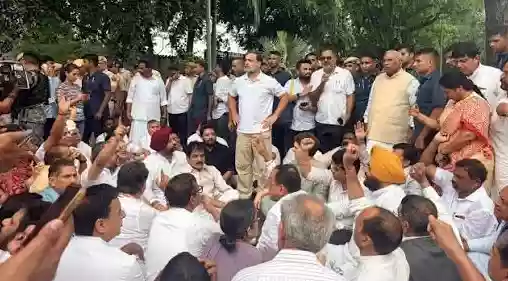
Police removes Rahul, Priyanka, other Congress leaders from dharna site near PM Modi's residence
.gif)

Download Mobile App 






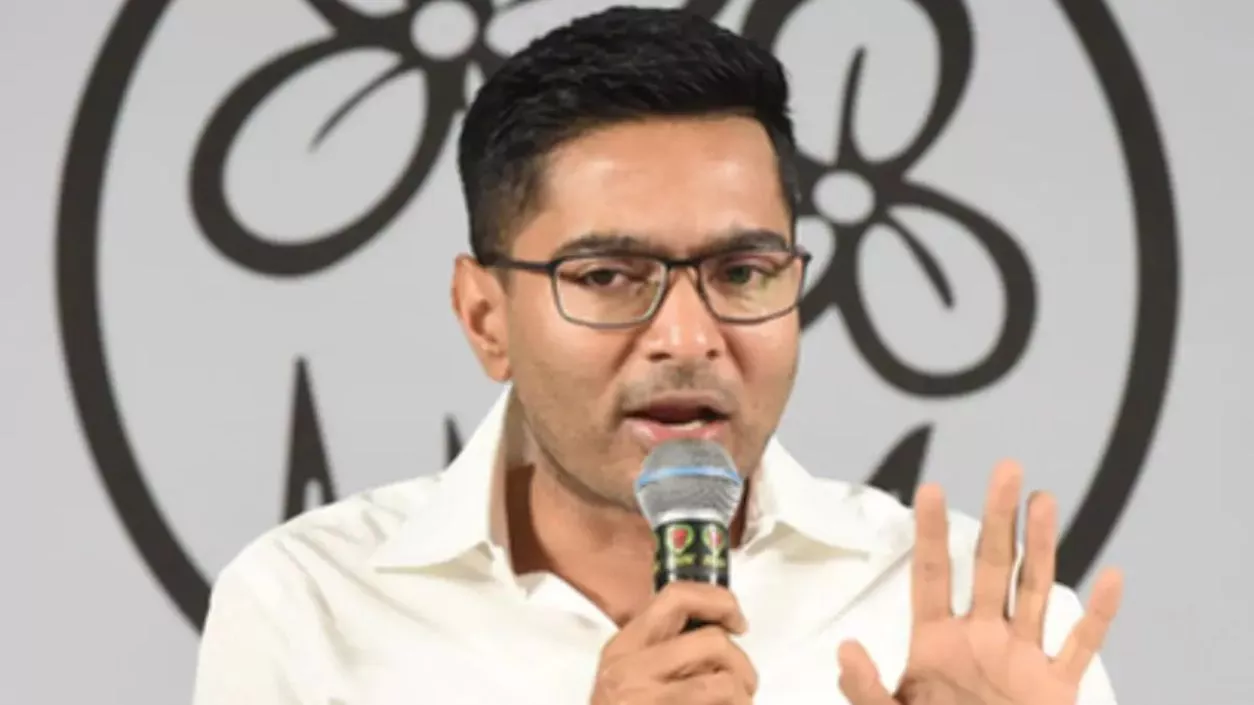
Abhishek Banerjee on Thursday accused the BJP-led central government of conspiring to remove genuine voters from electoral rolls under the pretext of the SIR exercise, intensifying the political battle ahead of the West Bengal Assembly elections. Addressing a rally in Dhupguri, he alleged that bona fide citizens, including those residing in the country for decades, are being forced to repeatedly prove their citizenship, with many finding their names either deleted or placed under adjudication.
Campaigning for party candidate Nirmal Chandra Roy, Banerjee described the election as not just a political contest but a moment for public accountability. He urged voters to “stand in line one last time” and respond through the EVM, framing the poll as a decisive opportunity to reject what he termed anti-Bengal forces. He also accused the Centre of engaging in religion-based politics while diverting attention from core issues such as livelihood, housing, and development.
The Trinamool Congress leader further alleged that people in BJP-ruled states like Assam, particularly from indigenous communities, are being asked to furnish citizenship proof. He claimed that such measures have caused distress among ordinary citizens, including elderly individuals who are being made to stand in long queues. Banerjee also criticised past central policies, including demonetisation and pandemic restrictions, stating that these had burdened the common people.
Highlighting the state government’s welfare initiatives, Banerjee pointed to schemes aimed at women and youth, asserting that benefits have reached intended recipients. He contrasted this with what he described as the Centre’s failure to deliver tangible support, alleging that key development funds for housing, roads, and water supply have been withheld, affecting both rural and urban areas.
He concluded by asserting that the outcome of the election would determine the future direction of the state, urging voters to deliver a clear mandate. Emphasising that his party works for all sections of society, he framed the electoral contest as a broader struggle to protect the interests and identity of Bengal.



.webp)


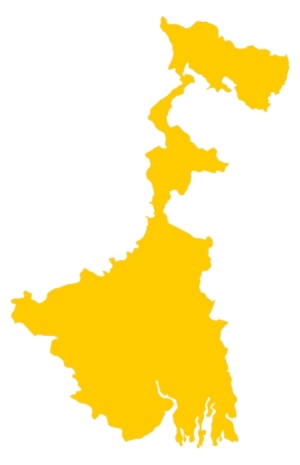 West Bengal
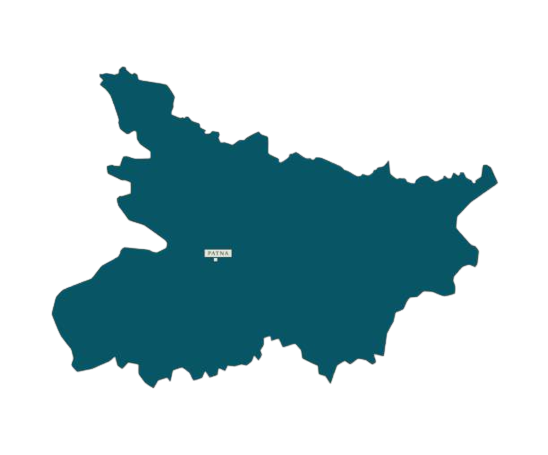 Bihar
Bihar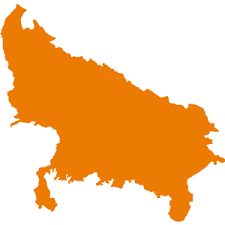 Uttar Pradesh
 Jharkhand