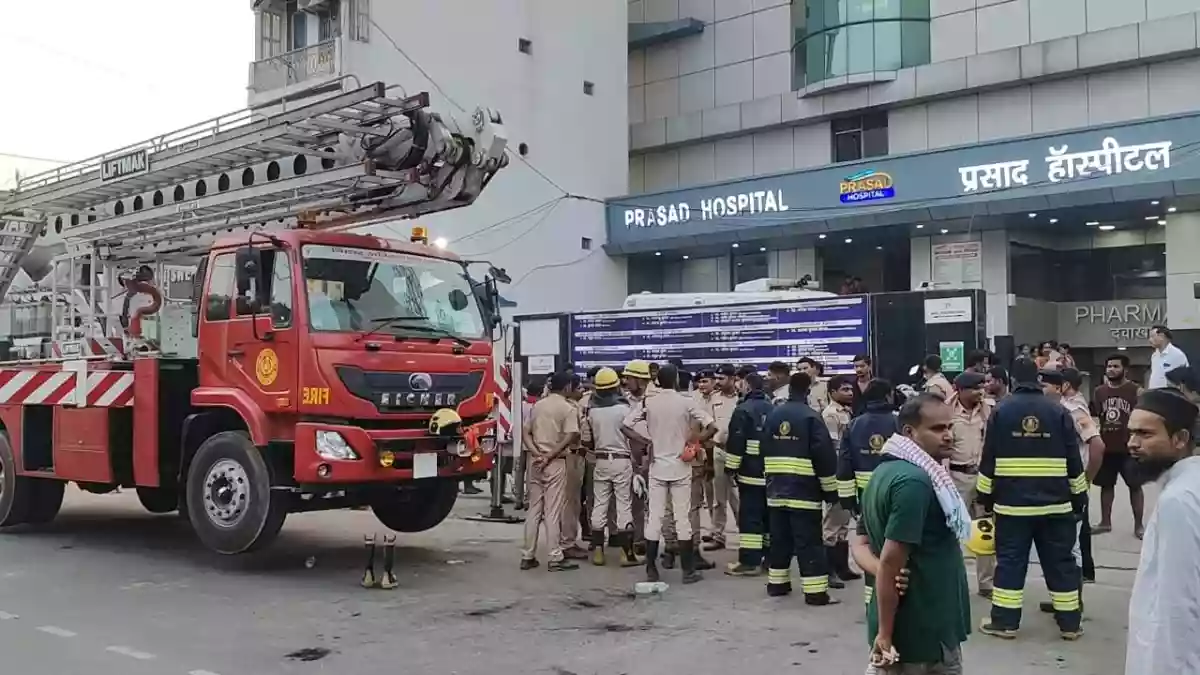
Muzaffarpur hospital blaze kills 3 patients, leaves 20 injured
.gif)

Download Mobile App 






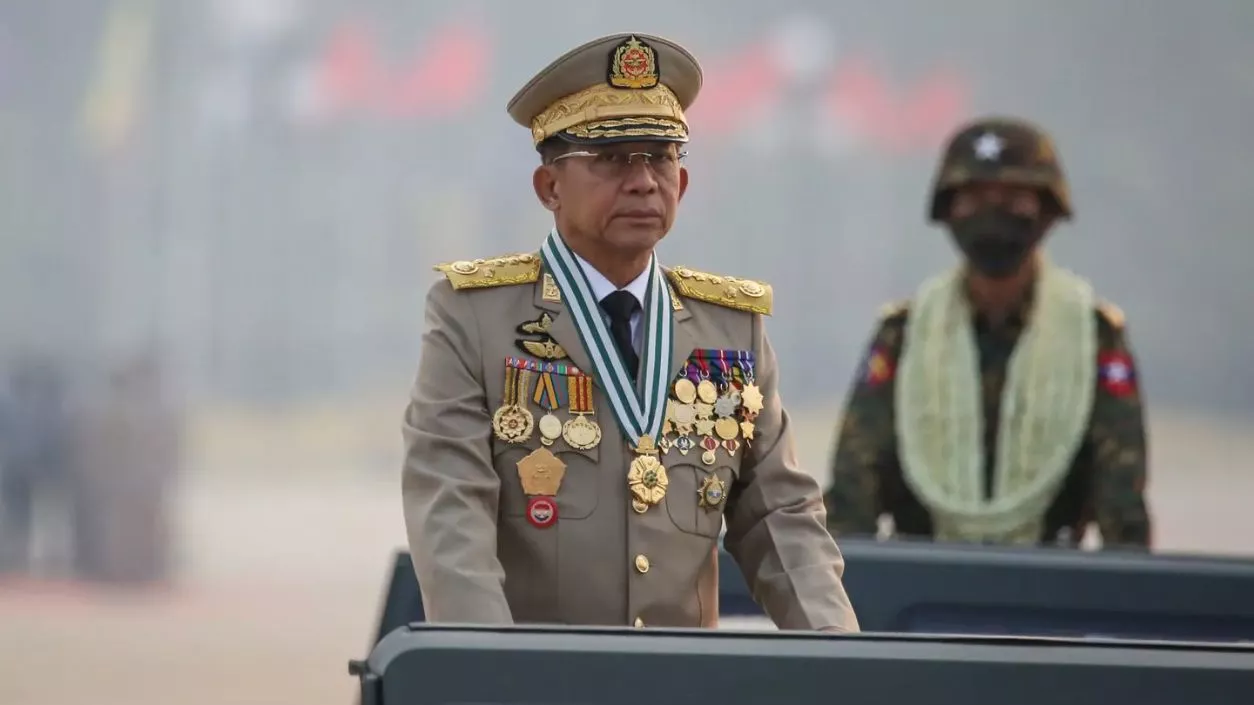
Myanmar’s junta chief Min Aung Hlaing has been elected President by a pro-military parliament, formalising his grip on power five years after overthrowing an elected government. The 69-year-old general secured the position through a parliamentary vote dominated by military-backed lawmakers, marking a significant consolidation of authority in the conflict-ridden nation.
Min Aung Hlaing had led the 2021 coup that ousted the administration of Aung San Suu Kyi, a Nobel Peace Prize laureate, and placed her under arrest. The takeover triggered widespread protests across the country, which gradually escalated into a prolonged armed resistance involving multiple anti-junta groups and ethnic militias. His transition from military chief to President follows elections widely criticised by opponents as a mechanism to legitimise continued military dominance under a civilian framework.
The parliamentary vote was held in a legislature heavily influenced by the military and its allied political forces, ensuring a comfortable victory for Min Aung Hlaing. His elevation to the presidency came alongside a reshuffle in the armed forces leadership, with a loyalist appointed to succeed him as commander-in-chief, reinforcing his continued influence over both civilian and military structures.
Analysts view this move as a calculated attempt to strengthen his hold on power while projecting an image of constitutional governance. The shift allows him to lead a nominally civilian administration while safeguarding the military’s long-standing role in national politics. Observers note that the presidency has long been an ambition for Min Aung Hlaing, with his rise reflecting a strategic effort to secure both domestic control and international legitimacy.
Despite the political transition, Myanmar remains engulfed in a persistent civil war. Anti-junta groups, including factions aligned with Suu Kyi’s political movement and ethnic armed organisations, have recently intensified coordination against the military. Experts warn that the conflict could escalate further, with resistance groups facing increased military pressure and internal challenges in sustaining unity amid economic and humanitarian crises.





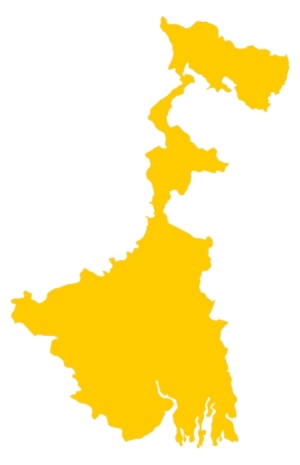 West Bengal
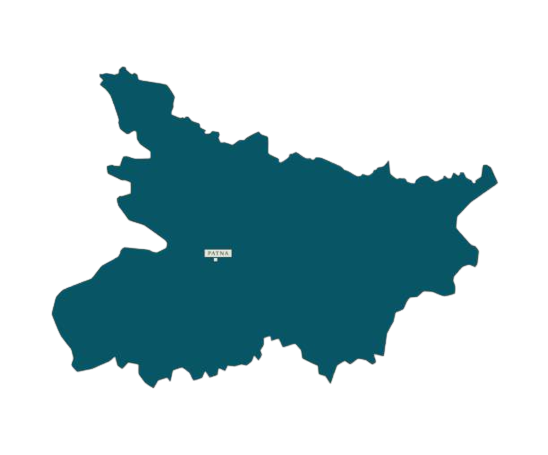 Bihar
Bihar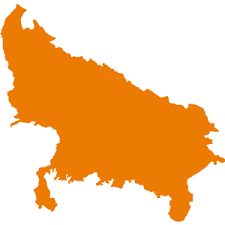 Uttar Pradesh
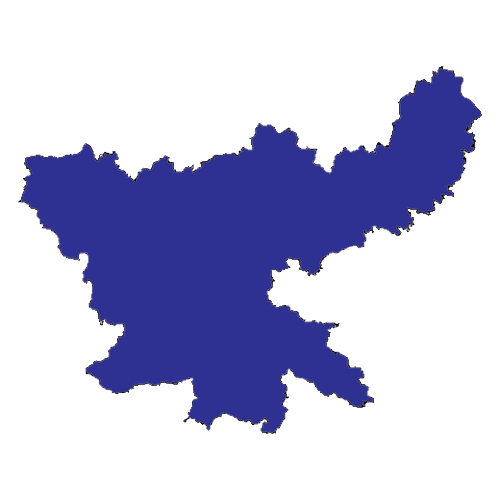 Jharkhand