.webp)
"Kolkata to get Water Metro connectivity," says Chief Minister Suvendu Adhikari
.gif)

Download Mobile App 






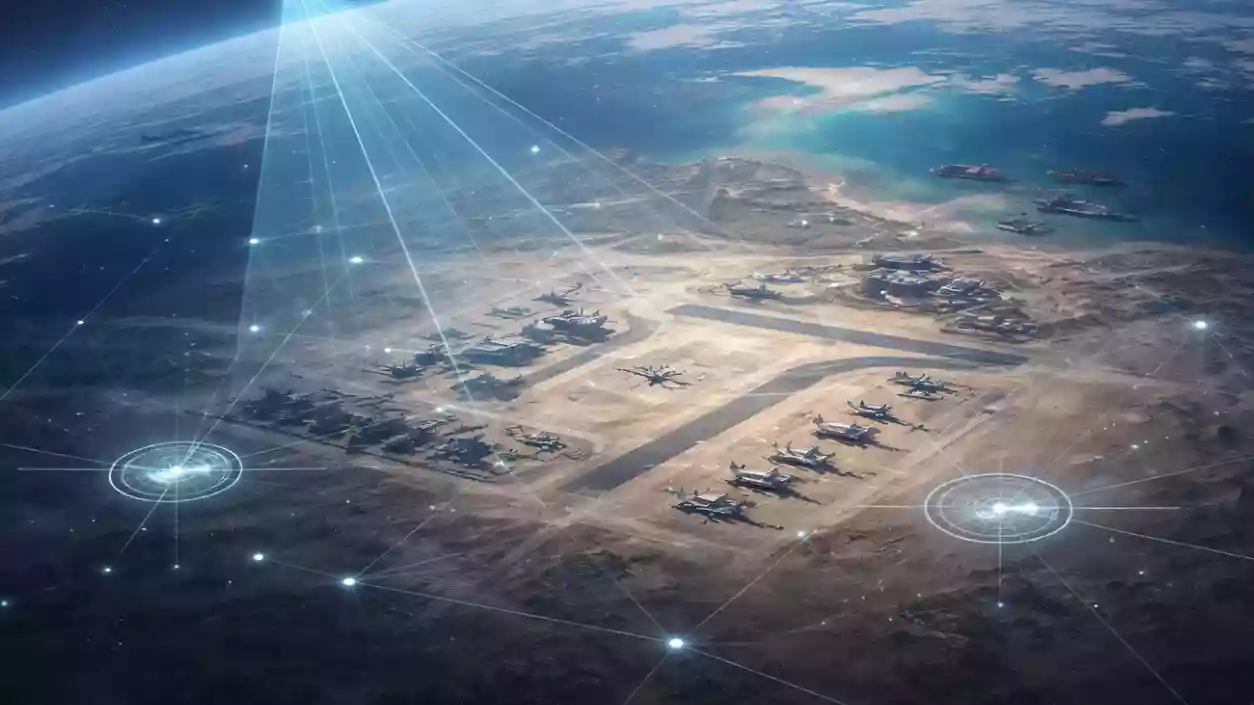
Chinese companies are reportedly using artificial intelligence and open-source data to monitor sensitive military movements of the United States military, raising fresh concerns over global surveillance risks. According to reports, these firms are developing advanced intelligence tools capable of analysing publicly available data to track the locations and activities of key defence assets.
The surveillance methods involve processing satellite imagery, flight tracking information, and maritime shipping data through AI systems. According to reports, these tools can identify and map the movements of aircraft carriers, aircraft, and operations at military bases with significant precision, potentially reducing the secrecy traditionally associated with military deployments.
The development is seen as part of China’s broader strategic framework known as civil-military fusion, where private sector innovation is integrated into national defence capabilities. Analysts suggest that this model allows technological advancements in artificial intelligence to be leveraged for strategic intelligence without direct state attribution, while benefiting from government backing.
Reactions within the United States remain divided. Some officials question the immediate operational threat posed by such tools, arguing that much of the data used is already publicly accessible. However, others warn that the increasing sophistication of AI-driven analysis could significantly enhance adversaries’ ability to track and predict military movements in future conflicts.
While China has publicly maintained a neutral stance on ongoing geopolitical tensions and called for peace, according to reports, experts believe such technological developments could offer strategic advantages without direct military involvement. The issue highlights the growing role of data, AI, and private enterprises in shaping modern warfare and global security dynamics.









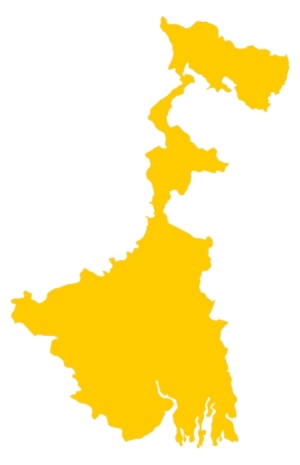 West Bengal
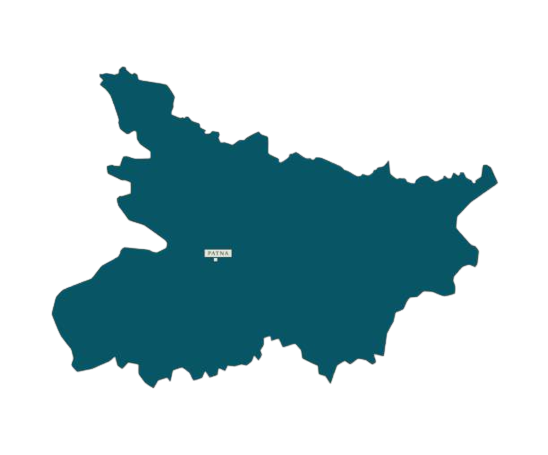 Bihar
Bihar Uttar Pradesh
 Jharkhand