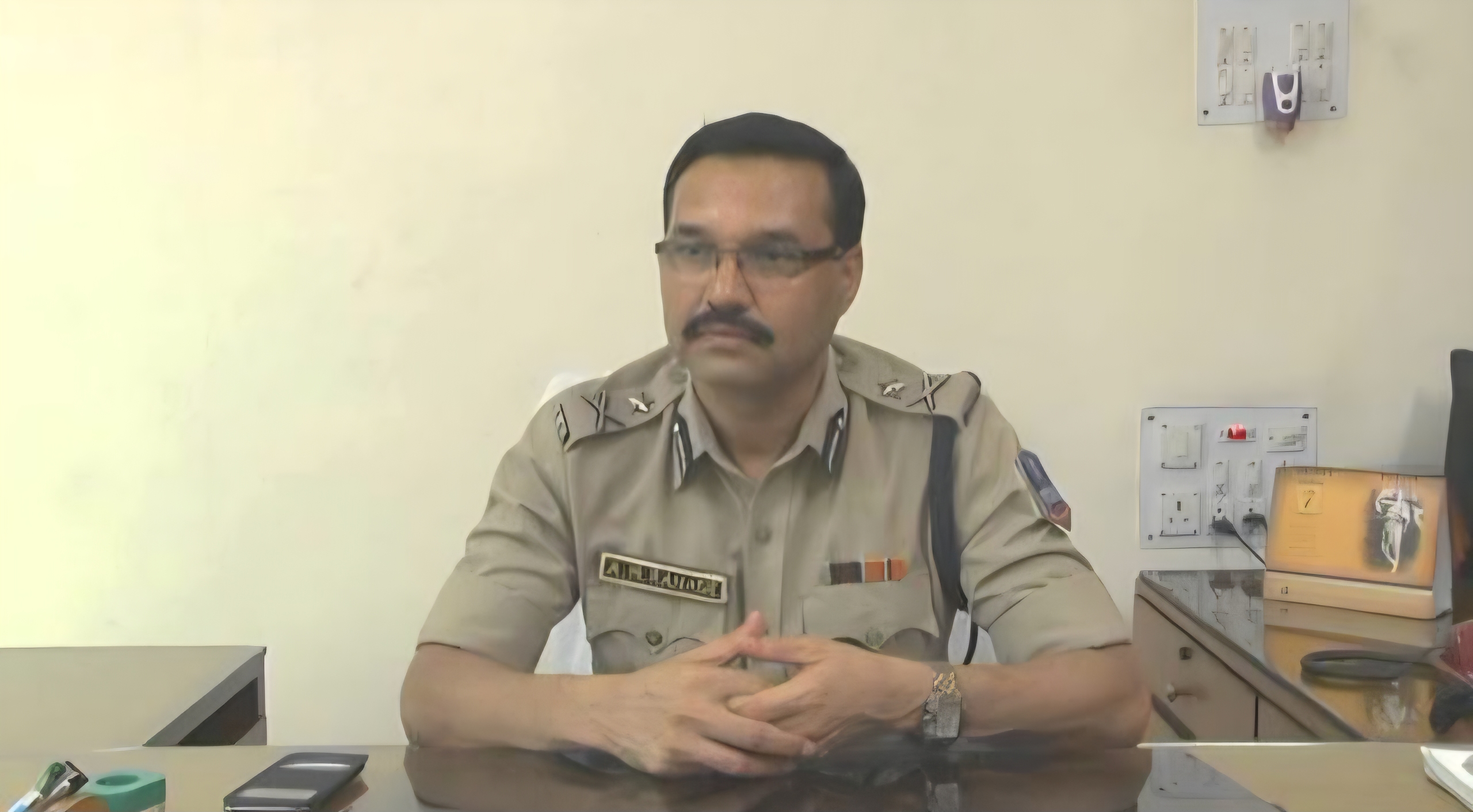
Bengal Govt elevates IPS Ajay Mukund Ranade to DGP (Law and Order)
.gif)

Download Mobile App 






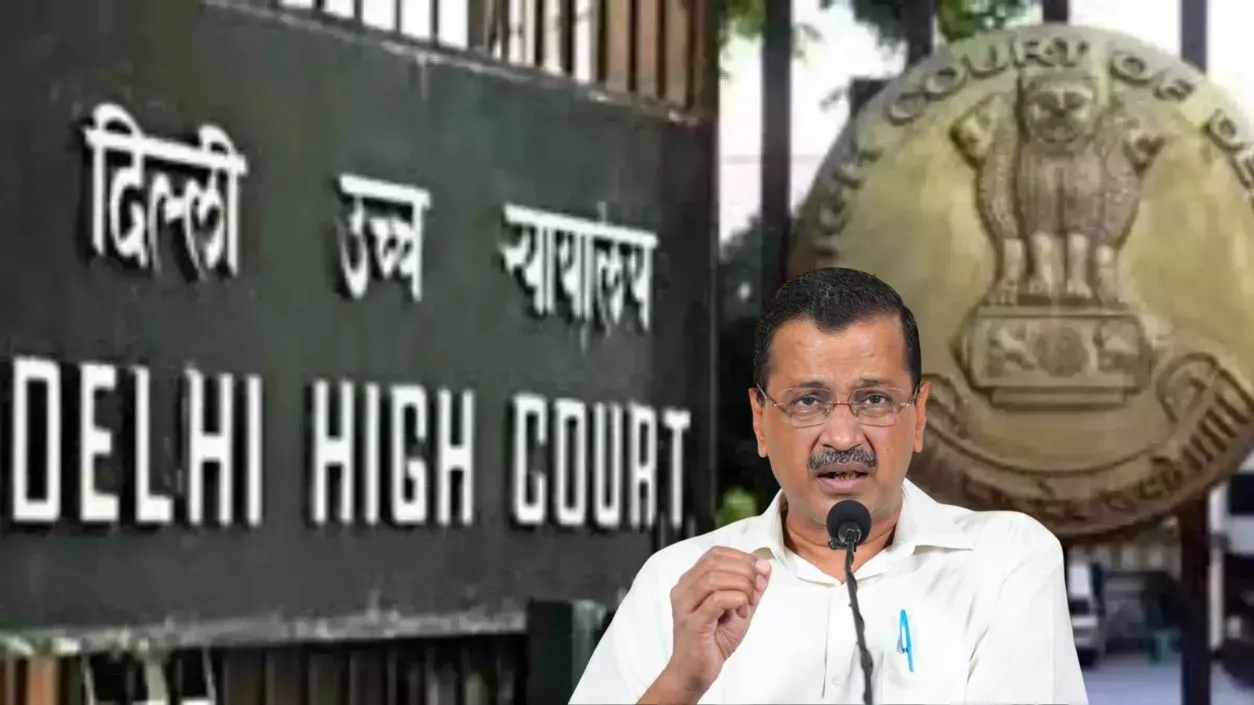
In a significant ruling, the Delhi High Court on Monday held that statements made by a Chief Minister during a press conference do not carry legally enforceable weight, overturning an earlier single-judge order linked to former Chief Minister Arvind Kejriwal’s COVID-era rent assurance. The Division Bench ruled that such public declarations cannot be enforced through a writ of mandamus, terming the earlier direction as legally untenable.
The case originated from March 29, 2020, when Kejriwal, during a press briefing amid the nationwide COVID-19 lockdown, urged landlords to defer rent collection from tenants facing financial distress. Petitioners argued that he had also assured that the Delhi government would step in to pay rent on behalf of those unable to do so, prompting affected tenants to seek judicial enforcement of the statement.
In July 2021, a single-judge bench had ruled in favor of the petitioners, holding that assurances made by a Chief Minister in a press conference could be treated as binding commitments. The court had directed the Delhi government to take steps toward implementing the promise or provide justification for not doing so. However, the government challenged this ruling, arguing that the statement was an appeal rather than a binding policy decision.
The Division Bench, comprising Justices C Hari Shankar and Om Prakash Shukla, reversed the earlier verdict, stating that the petition itself was “misconceived.” The court observed that no mandamus could be issued to enforce a statement made in a press conference and raised concerns about the financial and administrative implications of such assurances, suggesting they may have been made without detailed policy backing.
While rejecting the enforceability of the promise, the court noted that a separate order by the District Disaster Management Authority during the lockdown had provided limited protection to tenants by restraining landlords from evicting them. However, it clarified that this relief was temporary and did not translate into a long-term obligation for the government. The bench added that the state is free to independently take a policy decision if it chooses to implement such assurances through proper channels.



.webp)



.webp)


 West Bengal
 Bihar
Bihar Uttar Pradesh
 Jharkhand