
SPAIN wins FIFA World Cup 2026, beat Argentina 1-0 with goal in extra time
.gif)

Download Mobile App 






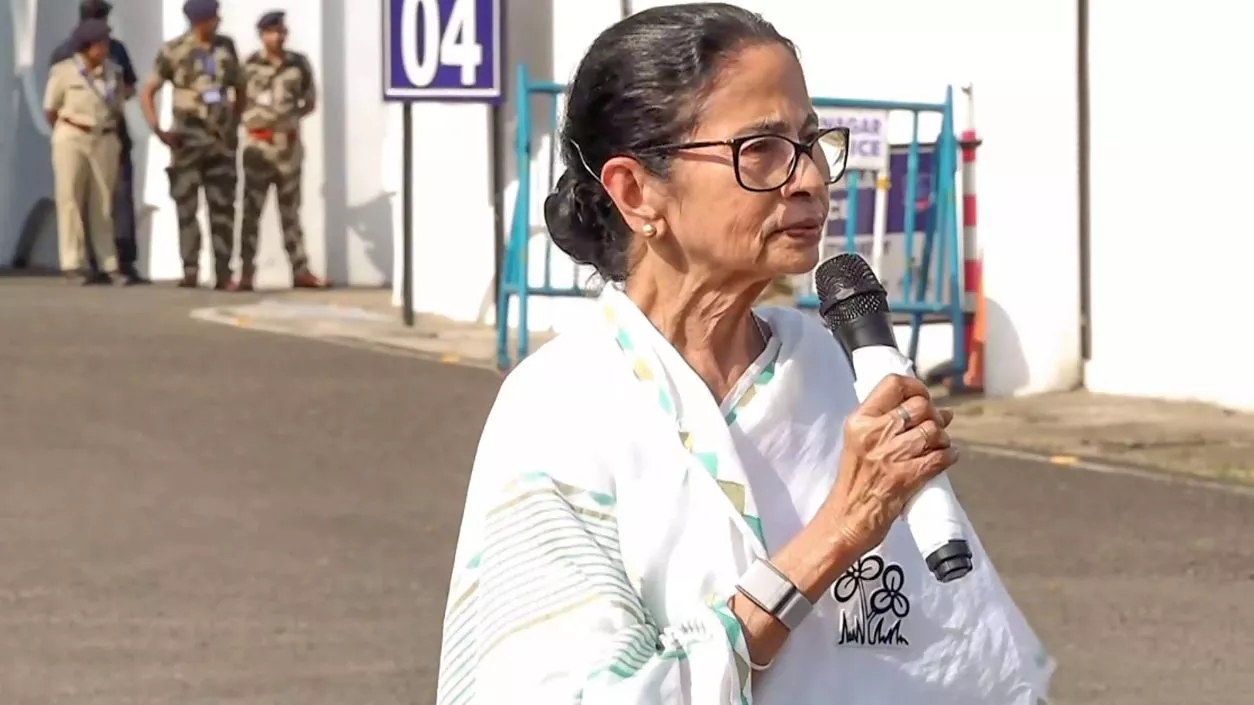
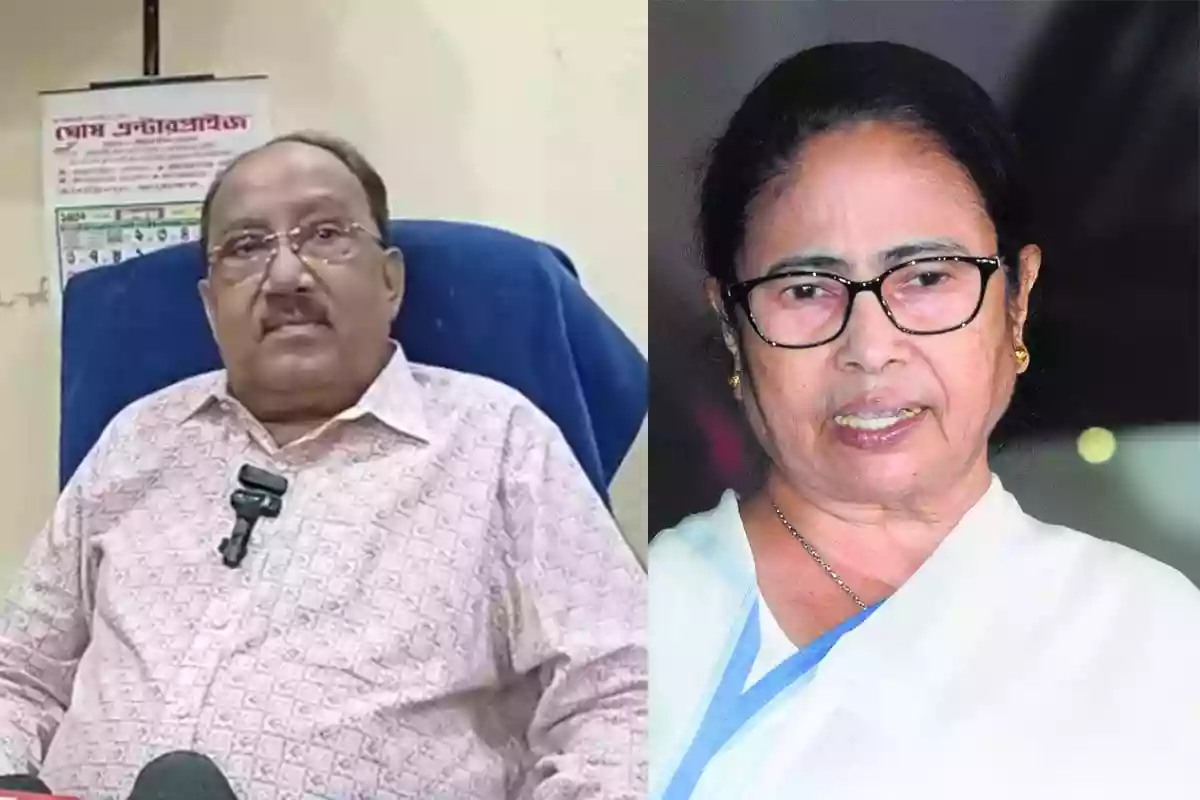
West Bengal Chief Minister Mamata Banerjee intensified her election campaign on Monday, urging voters to exercise their democratic rights to take “revenge one by one” for alleged injustices in voter list revisions. Speaking at a public rally in Chakdaha, Nadia, she referred to recent deaths in Murshidabad and Keshpur, asserting that around 250 people had lost their lives while attempting to vote during the Special Intensive Revision process. Mamata condemned the selective removal of names from voter lists and emphasised that citizens must vote to prevent the state from being “captured” in the coming elections.
Addressing the rise of the BJP in Bengal, Mamata called for reducing the party to zero, stating, “Not a single vote for any party. This vote is about democracy, saving our language, and fighting to preserve our honor.” She criticised the central party’s promises as “fireworks” and contrasted them with her own party’s commitment to fulfilling pledges made to the people. The Chief Minister also highlighted the presence of lakhs of central forces in the state, urging citizens to allow them to remain but to ensure their votes support Trinamool candidates.
Mamata assured the public that “not a single person will be driven out of Bengal,” directly addressing concerns over voter safety and security amid political tensions. She cited specific districts including Murshidabad, Maldah, North Dinajpur, South 24 Parganas, and Nadia, noting that voter names had been selectively removed, particularly targeting communities like the Matua in Bagda. She called attention to additional affected areas such as Gaighata, Chakdaha, and Harin Ghata, urging vigilance among residents to safeguard their electoral rights.
The rally in Chakdaha was part of Mamata Banerjee’s broader campaign across Nadia, Bongaon, and Habray constituencies. She sought to consolidate support for Trinamool candidates while mobilising voters around issues of local identity, governance, and democratic rights. Her statements reflected growing political polarisation in the state ahead of the West Bengal Assembly Election 2026, with voter list controversies and allegations of targeted disenfranchisement becoming central themes in the electoral discourse.





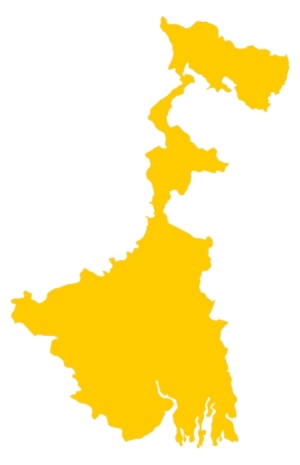 West Bengal
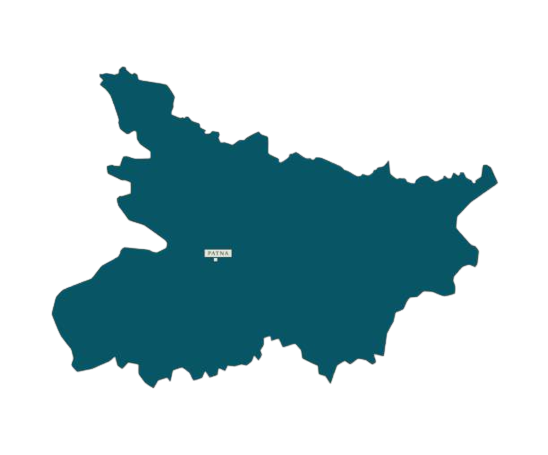 Bihar
Bihar Uttar Pradesh
 Jharkhand