
Muzaffarpur hospital blaze kills 3 patients, leaves 20 injured
.gif)

Download Mobile App 






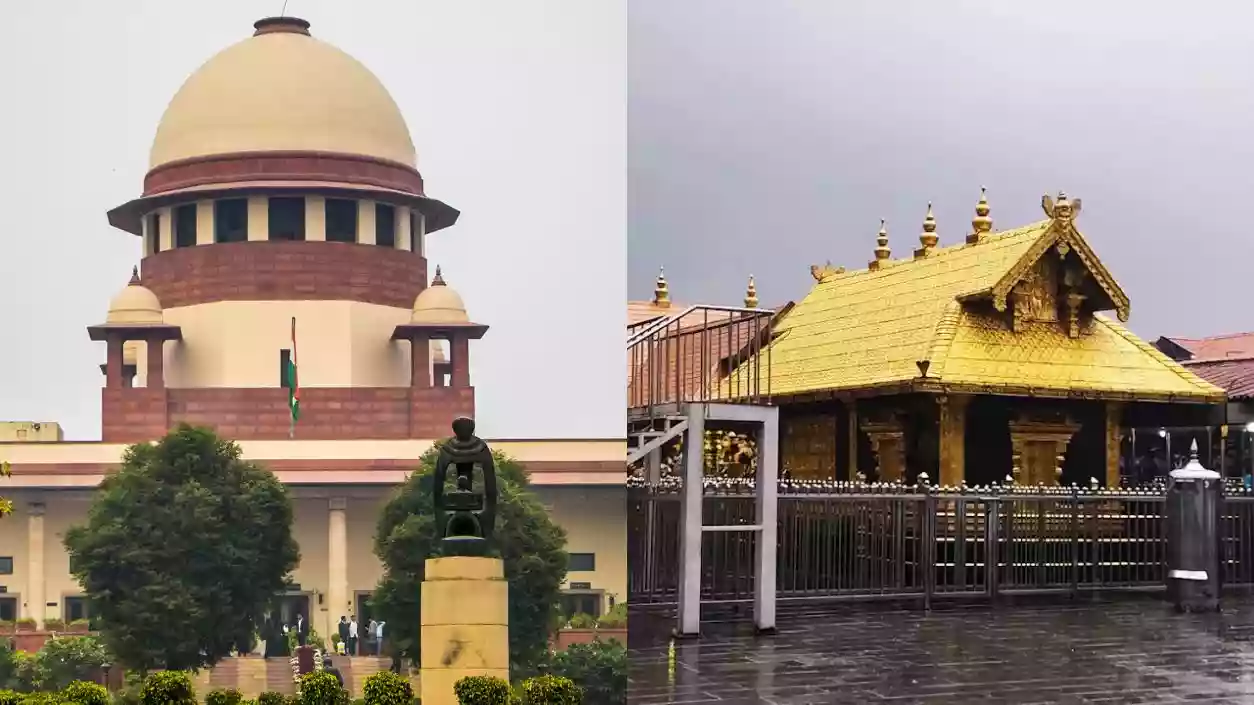
The Supreme Court on Tuesday began crucial hearings in the Sabarimala case, with the Centre strongly arguing that courts should refrain from intervening in religious practices, asserting that allowing women’s entry could fundamentally alter long-standing traditions of the temple. The submissions came before a nine-judge Constitution bench examining broader questions of religious freedom and equality.
Representing the Centre, Solicitor General Tushar Mehta contended that not every issue should be viewed through the lens of gender or equality, emphasizing that religious practices are deeply rooted in faith and traditions. He argued that the restriction on the entry of women in a specific age group at the Sabarimala temple is linked to the nature of the deity and constitutes an essential religious practice that may not be suitable for judicial review.
The Centre further maintained that courts may not possess the institutional expertise required to determine what qualifies as an essential religious practice. It stressed that India’s religious traditions are diverse and complex, involving multiple denominations and belief systems, and therefore cannot be uniformly interpreted through constitutional provisions alone.
During the hearing, the government also questioned the growing narrative of “patriarchy” in legal arguments, stating that Indian society has historically accorded respect and a high status to women. It asserted that the issue at Sabarimala is not one of discrimination but of preserving the character and sanctity of a specific religious tradition.
The ongoing hearing is expected to have far-reaching implications, as the bench examines the balance between fundamental rights and religious freedom. The outcome could redefine how courts approach matters of faith, especially in cases where constitutional principles intersect with deeply held religious beliefs.







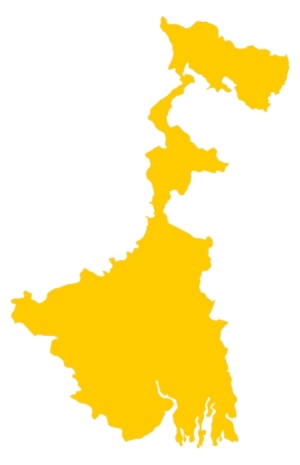 West Bengal
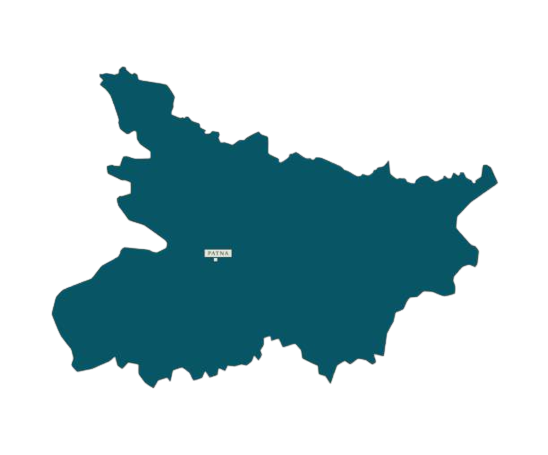 Bihar
Bihar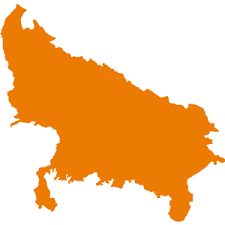 Uttar Pradesh
 Jharkhand