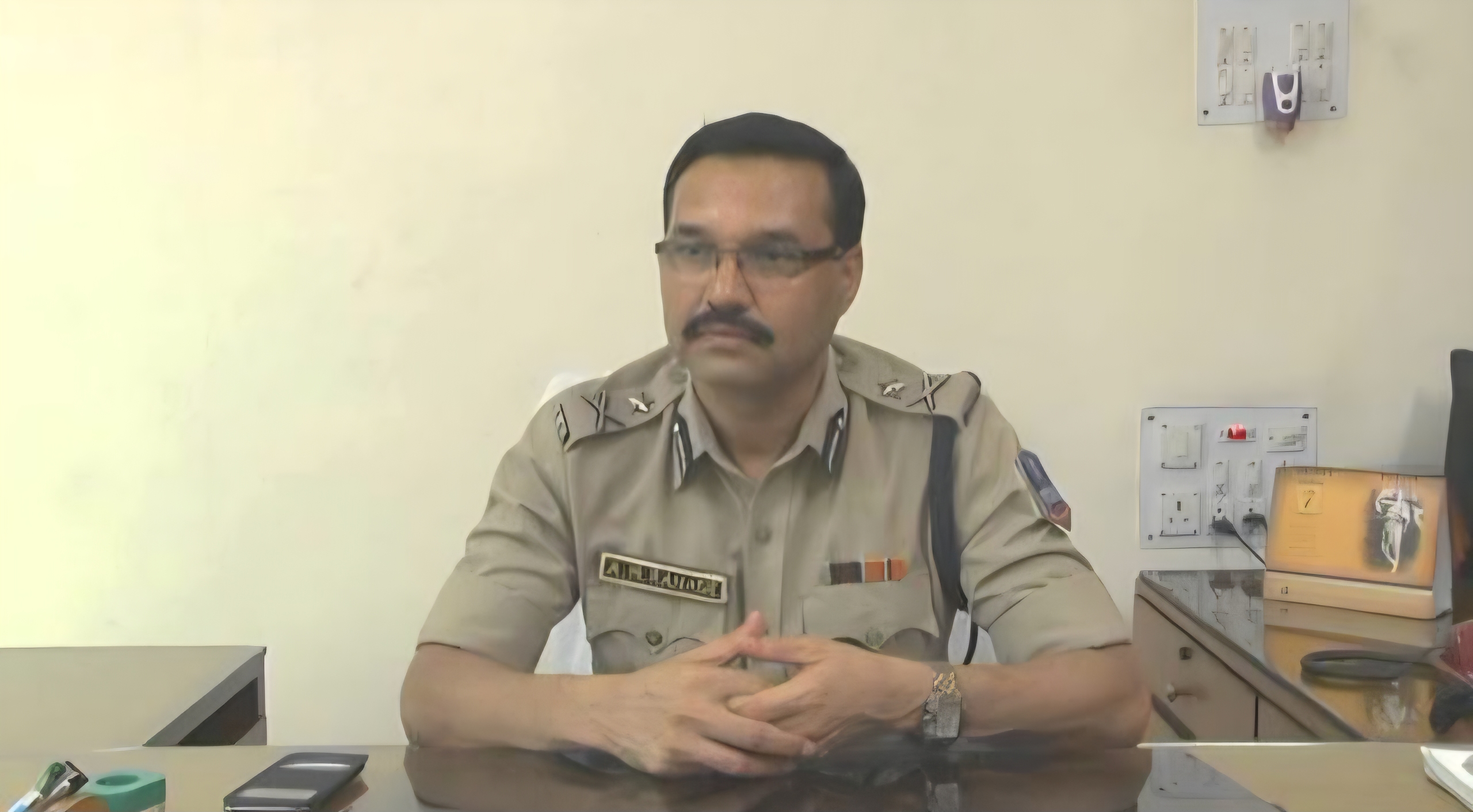
Bengal Govt elevates IPS Ajay Mukund Ranade to DGP (Law and Order)
.gif)

Download Mobile App 






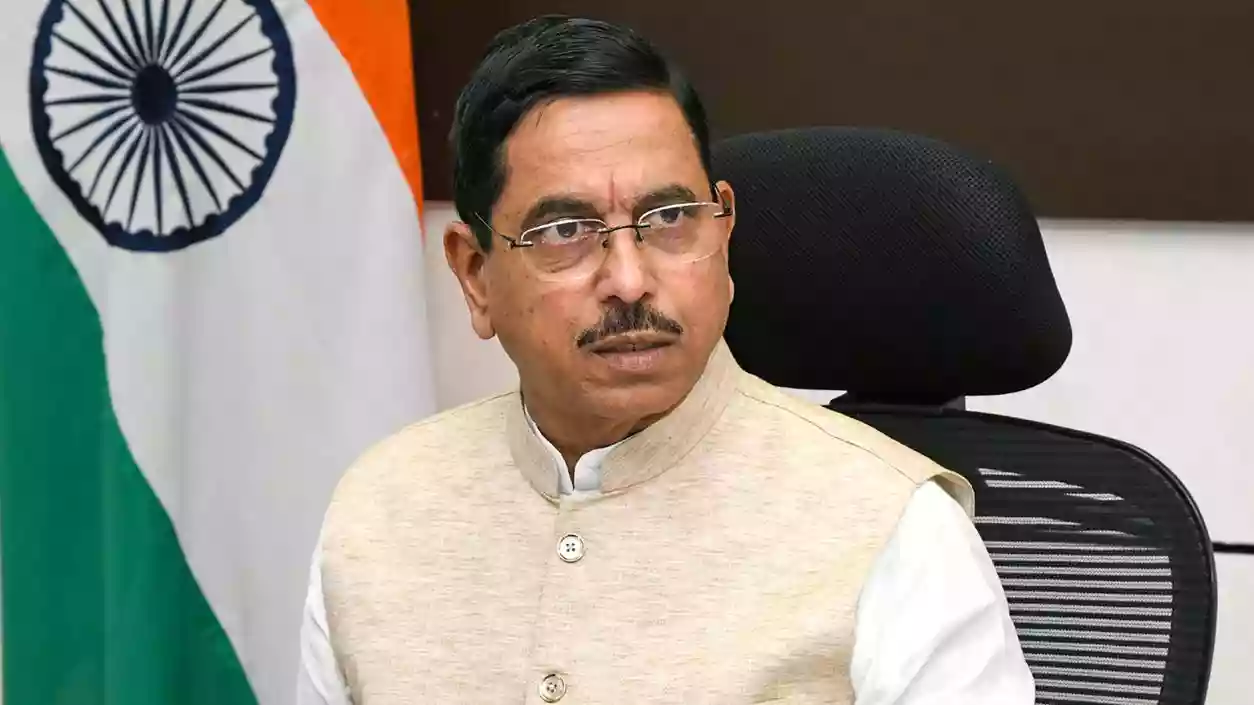
India has emerged as the world’s third-largest country in renewable energy installed capacity, overtaking Brazil, Union Minister Pralhad Joshi announced, citing the latest data from International Renewable Energy Agency. The country now ranks behind only China and the United States, marking a significant milestone in its clean energy transition and global positioning in the renewable sector.
According to the data, India’s total non-fossil fuel installed capacity reached 283.46 GW as of March 31, 2026, including 274.68 GW from renewable sources and 8.78 GW from nuclear power. During FY 2025–26, the country recorded a historic addition of 55.3 GW in non-fossil capacity, nearly doubling the previous year’s growth. India also achieved 50% of its cumulative installed power capacity from non-fossil sources in June 2025, five years ahead of its 2030 target under global climate commitments.
The growth has been driven largely by solar and wind energy expansion. Solar capacity surged to 150.26 GW, while wind energy reached 56.09 GW, with record annual additions in both sectors. Renewable energy also met 51.5% of the country’s peak electricity demand in July 2025, reflecting increasing integration of clean energy into the national grid. Overall, renewable sources contributed 26.2% of total electricity generation during the financial year.
India has also strengthened its manufacturing ecosystem, with solar module production capacity rising sharply and wind turbine manufacturing expanding significantly. Policy interventions such as reduced GST on renewable equipment, new regulatory frameworks, and initiatives to improve grid efficiency have further accelerated sectoral growth. Additionally, efforts under the National Green Hydrogen Mission aim to position India as a global hub for emerging clean technologies.
With a target of achieving 500 GW of non-fossil fuel capacity by 2030, India is steadily advancing towards its long-term sustainability goals. While challenges such as grid integration and storage remain, strong policy backing, rising investments, and technological progress are expected to sustain the country’s momentum in becoming a global clean energy leader.



.webp)


.webp)


 West Bengal
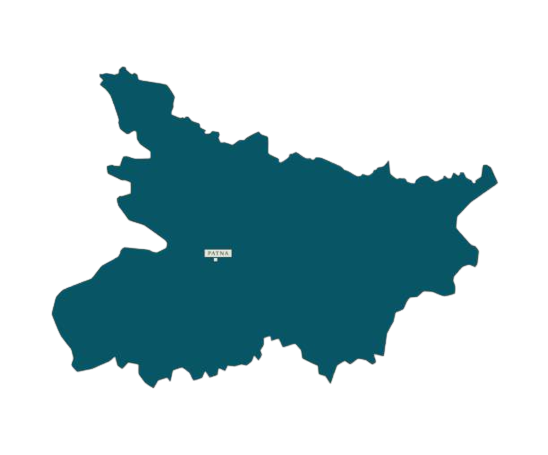 Bihar
Bihar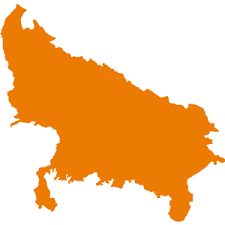 Uttar Pradesh
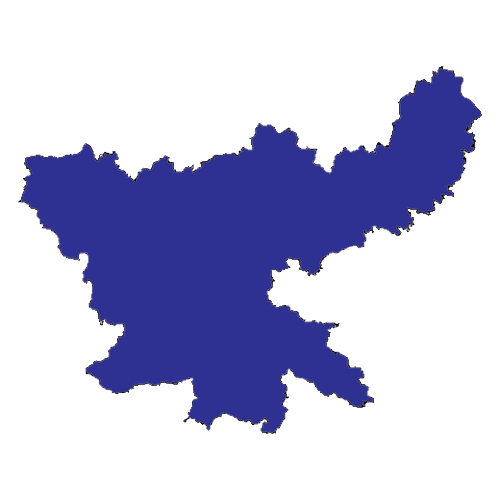 Jharkhand