Sonam Wangchuk vows to continue hunger strike as CJP reclaims Jantar Mantar stage
.gif)

Download Mobile App 






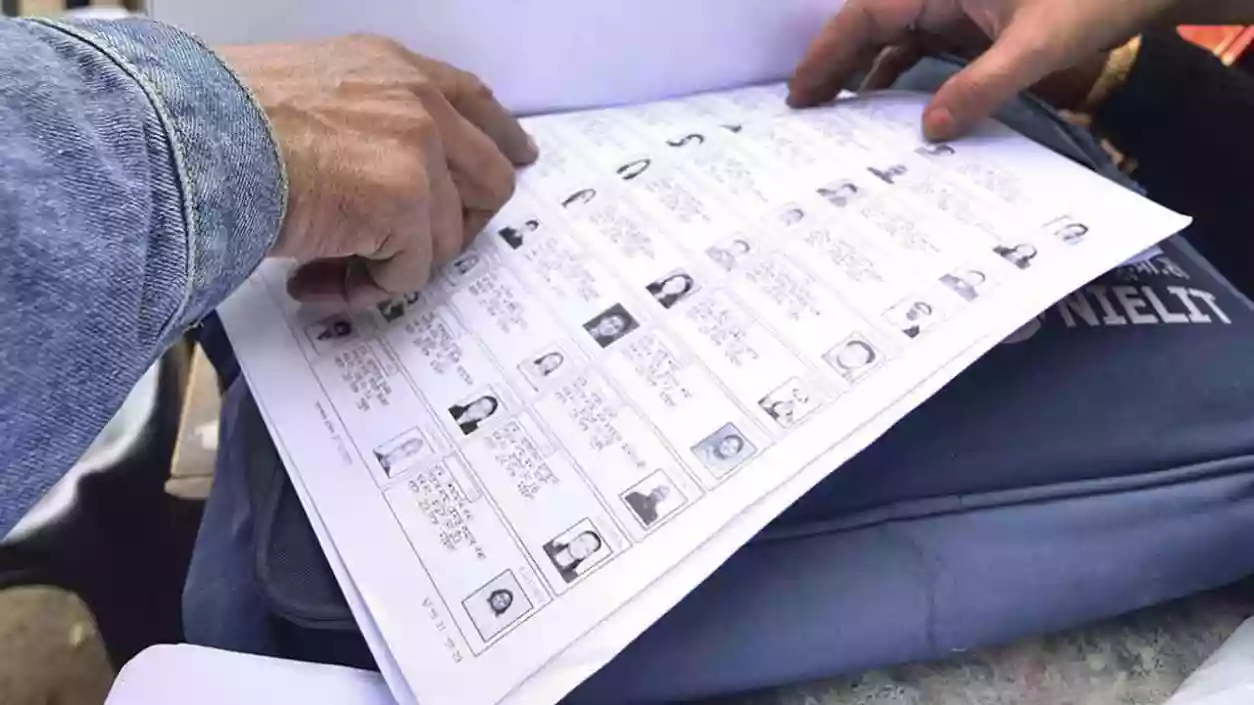
The electoral landscape of the West Bengal Assembly elections 2026 has been significantly altered by changes in the voter list, with nearly 70 constituencies witnessing a shift in political equations. The development has triggered concern within the All India Trinamool Congress, particularly in seats where past victories were secured by narrow margins. The revision process has led to the deletion of a substantial number of names, raising questions about its direct impact on closely contested constituencies.
These changes are especially critical in seats where margins were razor-thin in previous elections. In several constituencies, even a small shift in voter numbers has the potential to overturn outcomes. Analysts point out that such deletions have transformed multiple seats into highly competitive battlegrounds, intensifying uncertainty ahead of polling. The impact is being closely watched across regions known for tight contests and shifting voter dynamics.
The effects are most visible in industrial belts and border districts, as well as regions with distinct demographic compositions. Areas such as Howrah, Hooghly, Malda, Murshidabad, Nadia, and North 24 Parganas are witnessing heightened political activity, as parties reassess their strategies in response to the revised voter base. These regions have historically played a decisive role in shaping election outcomes, making the current changes particularly significant.
While the Bharatiya Janata Party views the deletions as a step towards ensuring cleaner electoral rolls, the ruling party sees it as a potential challenge that could disrupt its calculations. The shifting numbers have revived competition in seats where earlier outcomes appeared predictable, forcing parties to focus on booth-level mobilisation and voter outreach.
With the contest tightening across dozens of constituencies, the election has evolved into a battle of precision, where micro-management of voter turnout could prove decisive. As the campaign intensifies, both major parties are recalibrating their strategies, making the outcome in these 70 seats crucial to the overall result.




.webp)


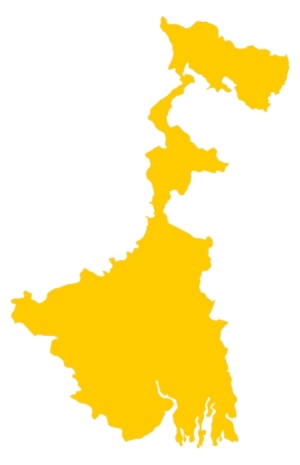 West Bengal
 Bihar
Bihar Uttar Pradesh
 Jharkhand