.gif)

Download Mobile App 






.webp)
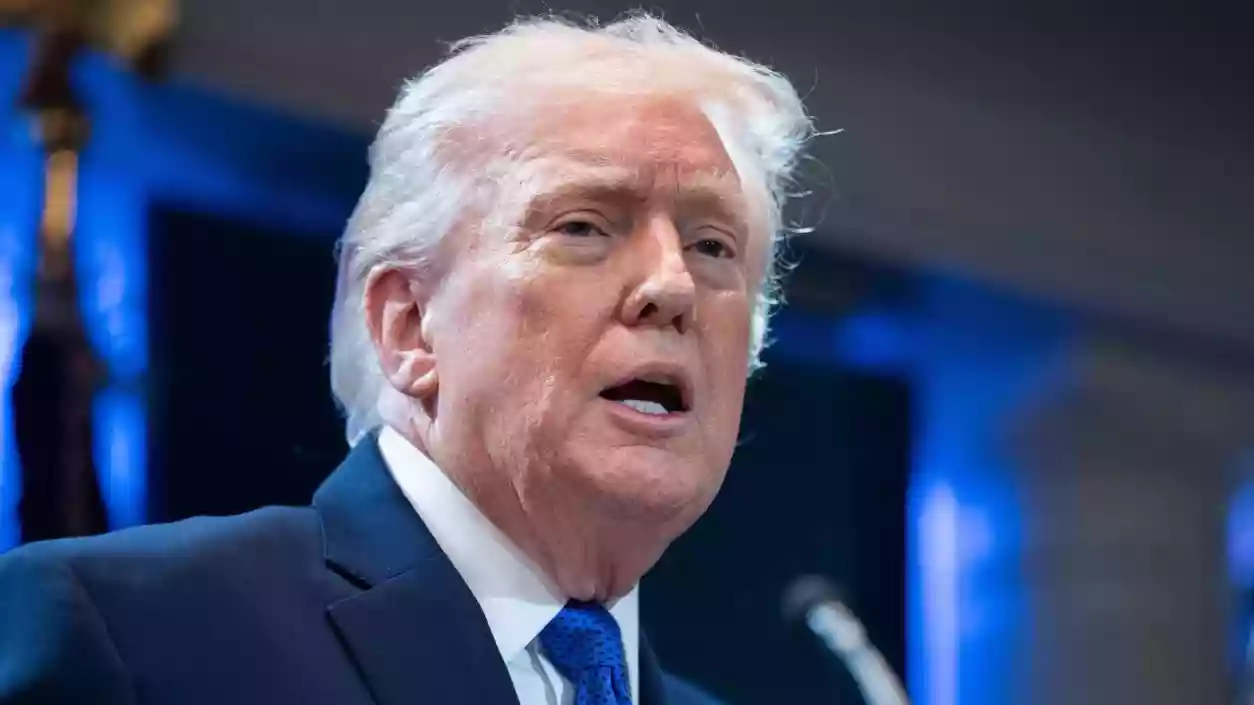
A 21-hour marathon meeting between representatives of the United States and Iran ended without a breakthrough, raising fears of renewed tensions in West Asia. The talks, held in Islamabad, followed a two-week ceasefire announced by US President Donald Trump after weeks of conflict. Expectations were high that the dialogue could lead to de-escalation, but the negotiations ended in deadlock.
The main point of contention remained control over the Strait of Hormuz, a critical global oil transit route. Iran insisted on retaining authority over the strategic waterway, while the US demanded reduced Iranian control. Both sides also failed to agree on accountability for recent military incidents and on the removal of restrictions affecting international shipping. US Vice President J. D. Vance said the American delegation had attempted “open and honest” discussions but claimed that Iran refused to accept proposed conditions. Iranian officials, however, accused Washington of making “unjust demands,” stating that they would not accept what they described as foreign interference in their regional rights.
Following the failed talks, Trump expressed frustration and asserted that the United States would ensure the reopening of the Strait of Hormuz. The collapse of negotiations has sparked fresh concern over regional stability, with analysts warning that further escalation could disrupt global energy supplies and widen conflict in the region.










 West Bengal
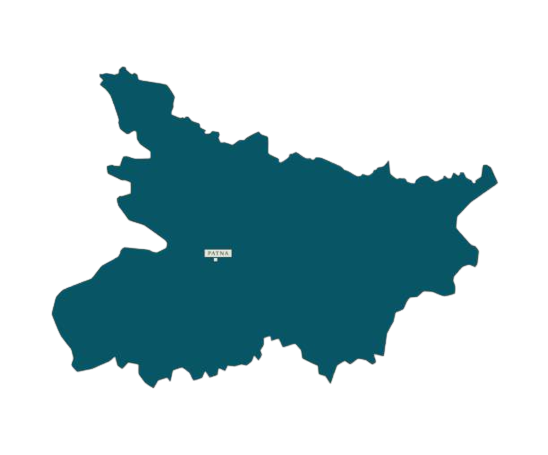 Bihar
Bihar Uttar Pradesh
 Jharkhand