.gif)

Download Mobile App 






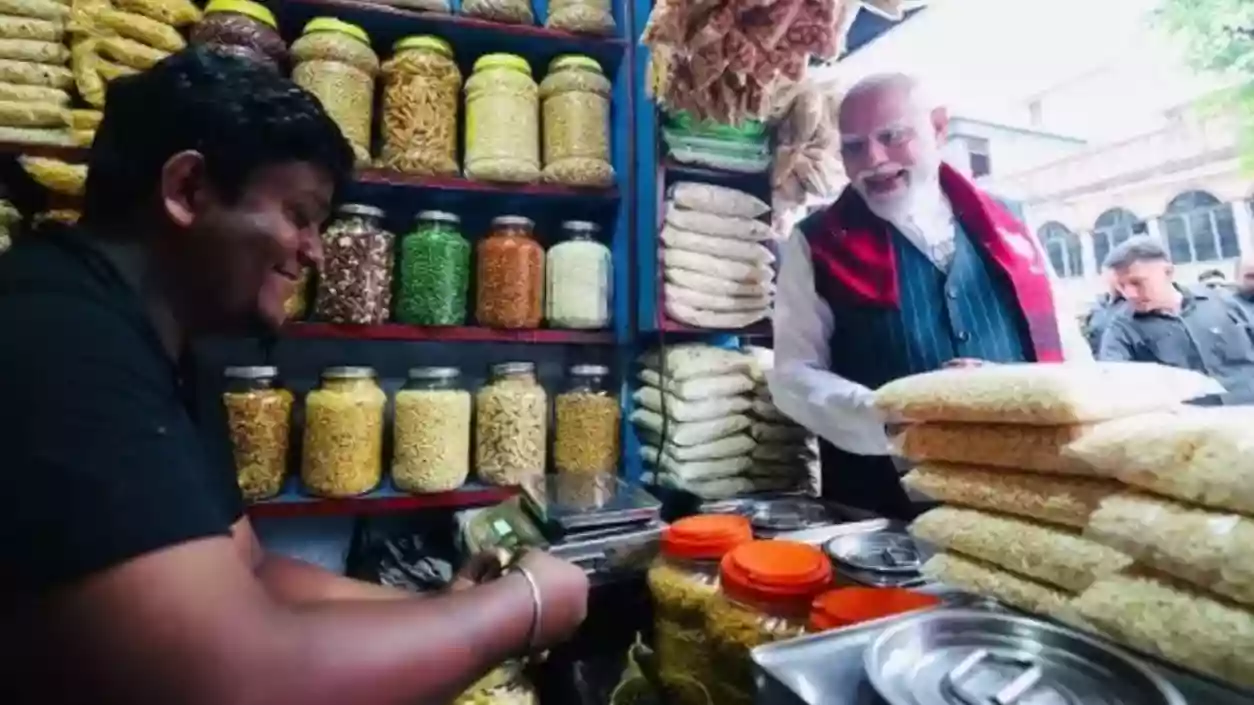
A brief roadside stop by Prime Minister Narendra Modi during his election campaign in West Bengal has triggered a wave of viral claims, ranging from a ₹10 currency note allegedly being valued at ₹1.11 lakh to speculation that the jhalmuri vendor was an undercover security officer. The incident took place on April 20 in Jhargram, where Modi was seen buying jhalmuri from a local stall, a moment that quickly spread across social media and drew widespread attention during the ongoing election season.
Soon after the visuals went viral, posts began circulating online claiming that the ₹10 note used in the transaction had turned into a high-value collector’s item, with an alleged offer of ₹1.11 lakh from a businessman. However, there is no verified confirmation of any such transaction or valuation. The claim remains unsubstantiated, with no evidence suggesting that the note has been sold or formally appraised at such a price.
At the same time, another narrative gained traction, suggesting that the jhalmuri vendor was not a genuine shopkeeper but a Special Protection Group officer planted for optics. These claims were widely shared through edited images and memes. However, ground-level accounts and fact-checks have clarified that the vendor was a real local resident who described the encounter as unexpected. He said the Prime Minister stopped by his stall without prior notice, interacted casually, and insisted on paying for the snack.
Eyewitnesses present during the visit also described the moment as spontaneous, with no indication of staging. The Prime Minister was seen engaging informally with locals, sharing the snack and conversation. The incident, while simple in nature, has been amplified online into multiple layers of speculation and misinformation, highlighting how quickly narratives can evolve during election periods. At its core, the episode remains a brief and ordinary interaction that gained extraordinary attention in the digital space.




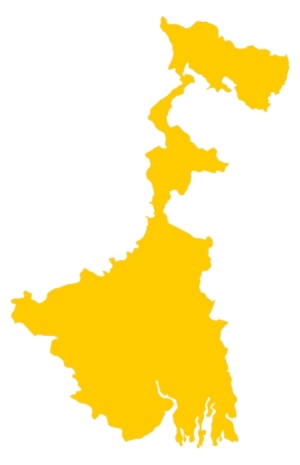 West Bengal
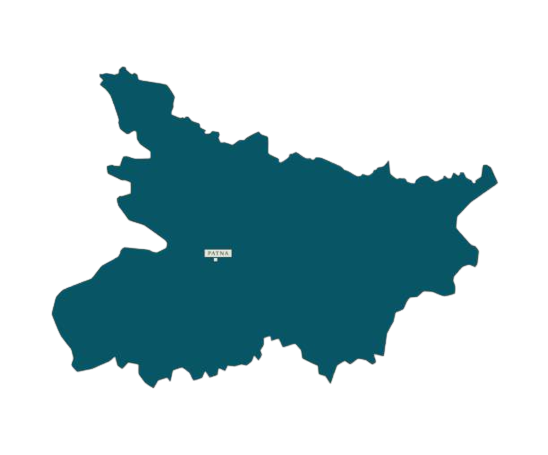 Bihar
Bihar Uttar Pradesh
 Jharkhand