
Bengal Govt elevates IPS Ajay Mukund Ranade to DGP (Law and Order)
.gif)

Download Mobile App 






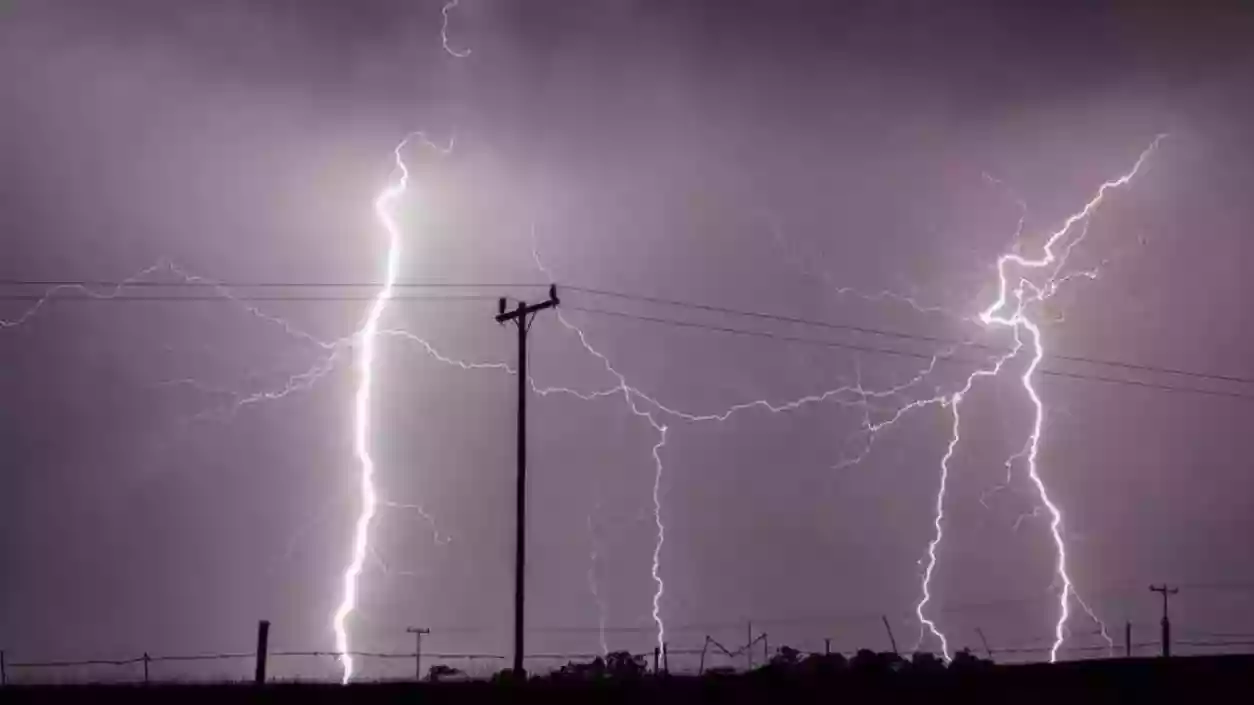
At least 14 people have died and several others have been injured after severe pre-monsoon thunderstorms, locally known as Kalbaishakhi or Nor’westers, swept across Bangladesh late Sunday and early Monday. The storms, while providing relief from an intense heatwave, caused widespread destruction due to lightning strikes, falling trees, and strong winds. Authorities have warned that similar weather conditions may continue over the coming days.
The fatalities were reported from at least seven districts, with most victims caught outdoors while working in fields or travelling through rural areas. In Gaibandha, five people were killed, including farmers and children, while three deaths were reported in Jamalpur after a tree collapsed on a house. Additional casualties were reported from Thakurgaon, Sirajganj, Panchagarh, Natore, and Bogura, with lightning emerging as the leading cause of death in most cases.
Officials said that rural populations remain particularly vulnerable during such storms due to their exposure in open fields. Despite improved early warning systems, including alerts issued hours in advance by the Bangladesh Meteorological Department, many people continue outdoor activities, increasing the risk of casualties. Lightning strikes have consistently been identified as the deadliest aspect of these seasonal storms.
Experts have also pointed to long-term environmental factors worsening the situation. Deforestation has reduced the number of tall trees that naturally act as lightning conductors, leaving people more exposed. Additionally, rising temperatures and humidity during the pre-monsoon season are creating unstable atmospheric conditions, leading to more frequent and intense thunderstorms.
In the capital Dhaka, the storm caused temporary waterlogging and power disruptions, though no fatalities were reported. Authorities have reiterated safety guidelines, urging residents to seek shelter immediately during lightning and follow precautionary measures. With more rainfall and thunderstorms forecast, disaster management agencies have warned of continued risk and advised heightened vigilance.



.webp)





 West Bengal
 Bihar
Bihar Uttar Pradesh
 Jharkhand