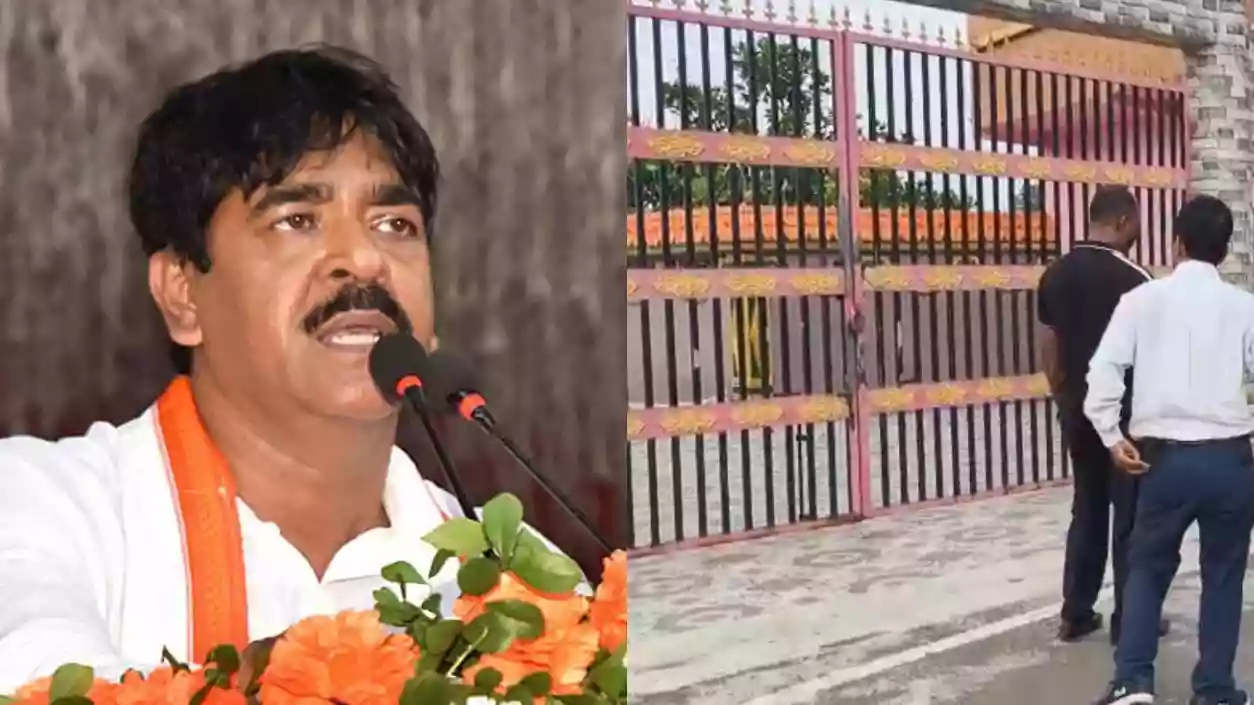
NIA searches Saokat Molla’s home and party office, son questioned in Bhangar blast case
.gif)

Download Mobile App 






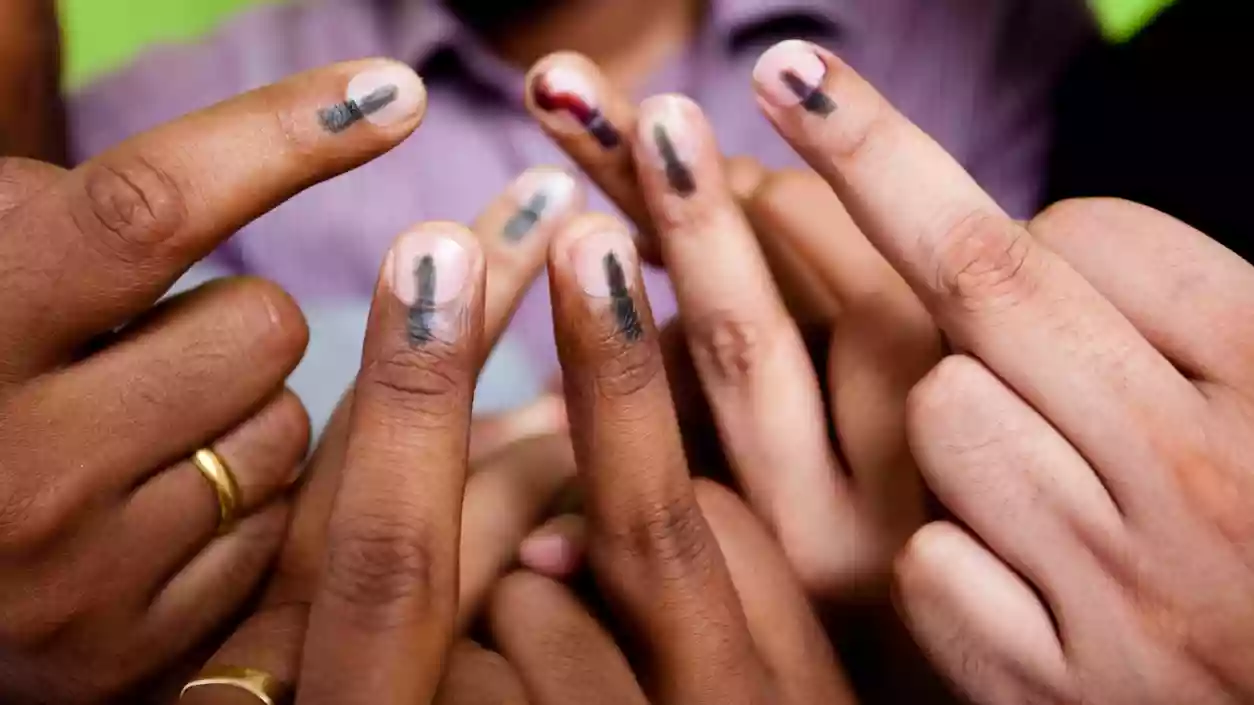
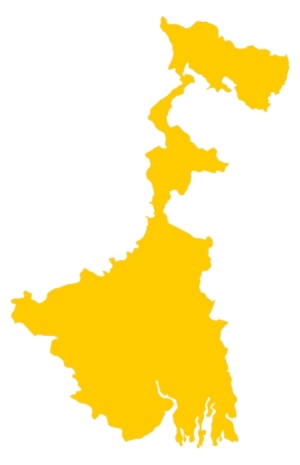
As West Bengal heads into the second phase of Assembly elections on Wednesday, women voters are emerging as a crucial factor in determining electoral outcomes across key constituencies. Out of the 142 seats going to polls, 23 constituencies have recorded a higher number of women voters than men, highlighting their potential to decisively influence the political direction of the state.
This phase, covering 142 constituencies across eight districts, is widely seen as critical for the ruling Trinamool Congress, as it includes its core strongholds and urban belts. A total of 1,448 candidates are in the fray, and the presence of a higher number of women voters in several constituencies adds a significant dimension to the electoral dynamics, especially in regions where margins have historically been tight.
Among the key constituencies, Jadavpur has the highest gap, with over 11,700 more women voters than men. Similar trends are visible in seats like Behala West, Behala East, Tollygunge, Dum Dum, Bidhannagar, Rajarhat Gopalpur, and Kasba, where women voters outnumber men by notable margins. Even in constituencies with smaller gaps, such as Barasat and Champdani, the difference still indicates a consistent pattern across multiple regions.
The political context adds further weight to this trend. In the previous Assembly elections, the ruling party had dominated these regions, winning a majority of seats, while the BJP struggled to make inroads in Kolkata and adjoining districts. With the opposition now focusing heavily on these areas, the role of women voters is expected to be even more significant in shaping the contest.
With all urban seats of Kolkata and key constituencies in surrounding districts included in this phase, the outcome will be closely watched as an indicator of the broader electoral mood. If voting patterns align with current voter distribution, women voters could play a decisive role in determining not just individual seat results, but also the overall political trajectory of the state.




 West Bengal
 Bihar
Bihar Uttar Pradesh
 Jharkhand