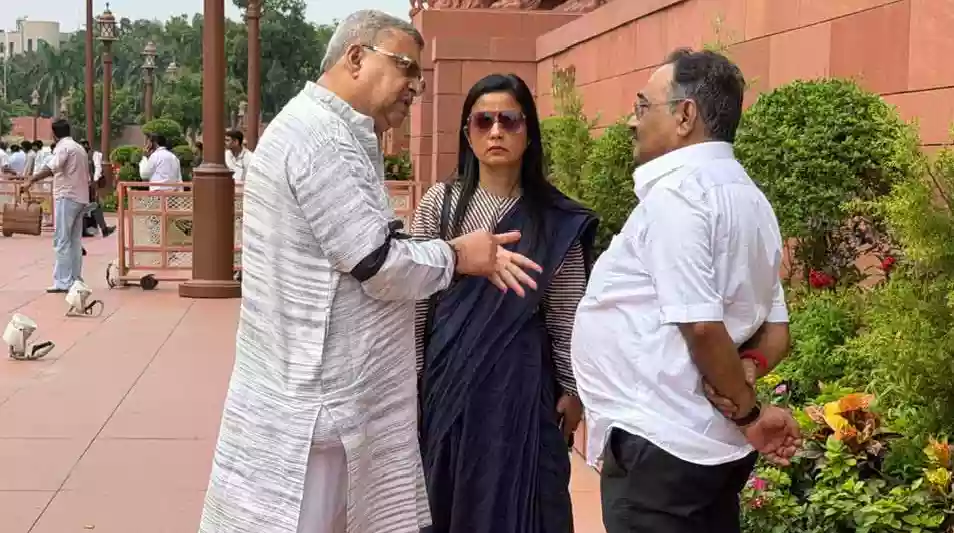
Kalyan spotted speaking with Samik at Parliament; Mahua joins in too
.gif)

Download Mobile App 






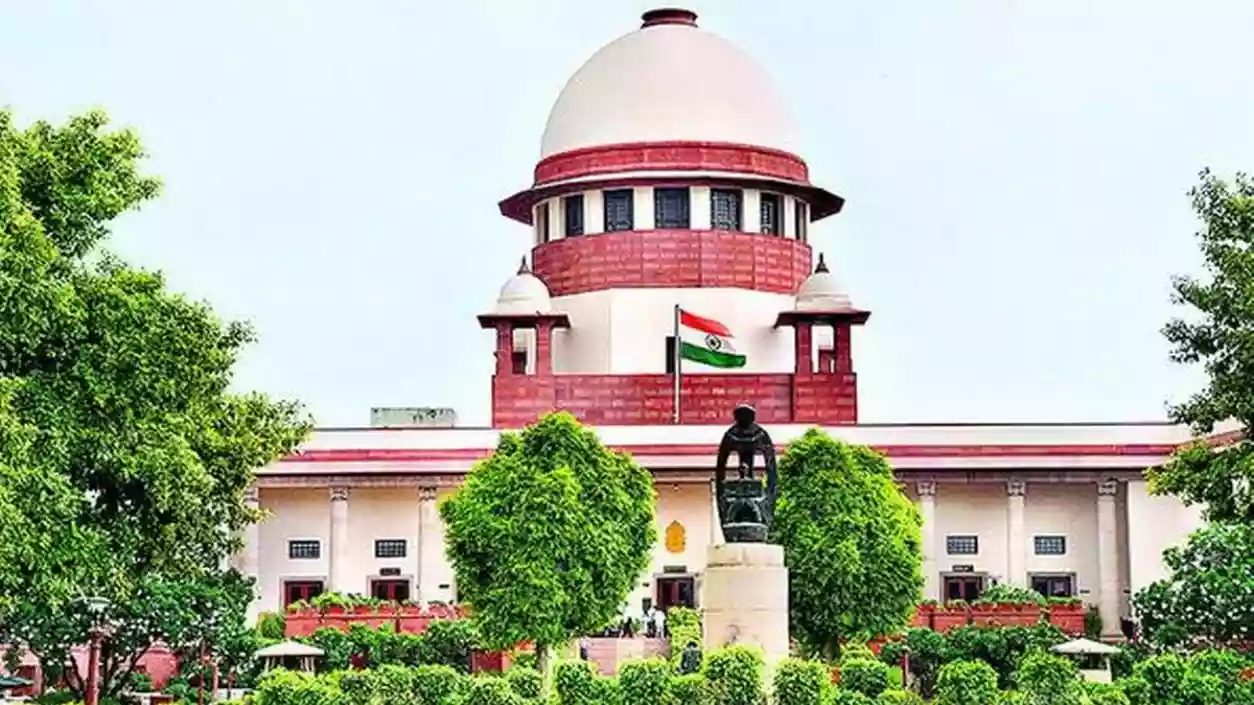
The Supreme Court on Thursday strongly objected to a plea by AIIMS seeking to set aside its earlier order permitting a 15-year-old rape survivor to medically terminate her 30-week pregnancy, asserting that the decision must ultimately rest with the survivor. The court emphasised that in cases of pregnancy arising from rape, there should not be a rigid time limit, and urged the Centre to consider amending existing laws to reflect this principle.
A bench comprising Chief Justice Surya Kant and Justice Joymalya Bagchi observed that the case involved child rape and highlighted the long-term psychological trauma the survivor would endure if forced to continue the pregnancy. The court stressed that the law must remain “organic” and evolve with changing societal realities, particularly in sensitive cases involving minors and sexual violence.
During the hearing, the court noted that if the survivor does not suffer from any permanent medical disability, the termination procedure should be permitted. It also directed AIIMS to counsel the parents of the minor to help them make an informed decision, while reiterating that the final choice must lie with the person concerned.
The bench underlined that forcing an unwanted pregnancy on a minor would be unjust, especially when the survivor should ideally be focused on her education and recovery. It also pointed to broader societal concerns, including the existence of abandoned children, while reiterating that such circumstances cannot justify denying the survivor her autonomy.
The court’s remarks come as it continues to examine the legal framework governing medical termination of pregnancy, signalling a possible shift towards greater flexibility in cases involving rape survivors. The matter also brings renewed attention to the need for reforms that prioritise the rights, dignity, and well-being of victims.




.webp)
.webp)
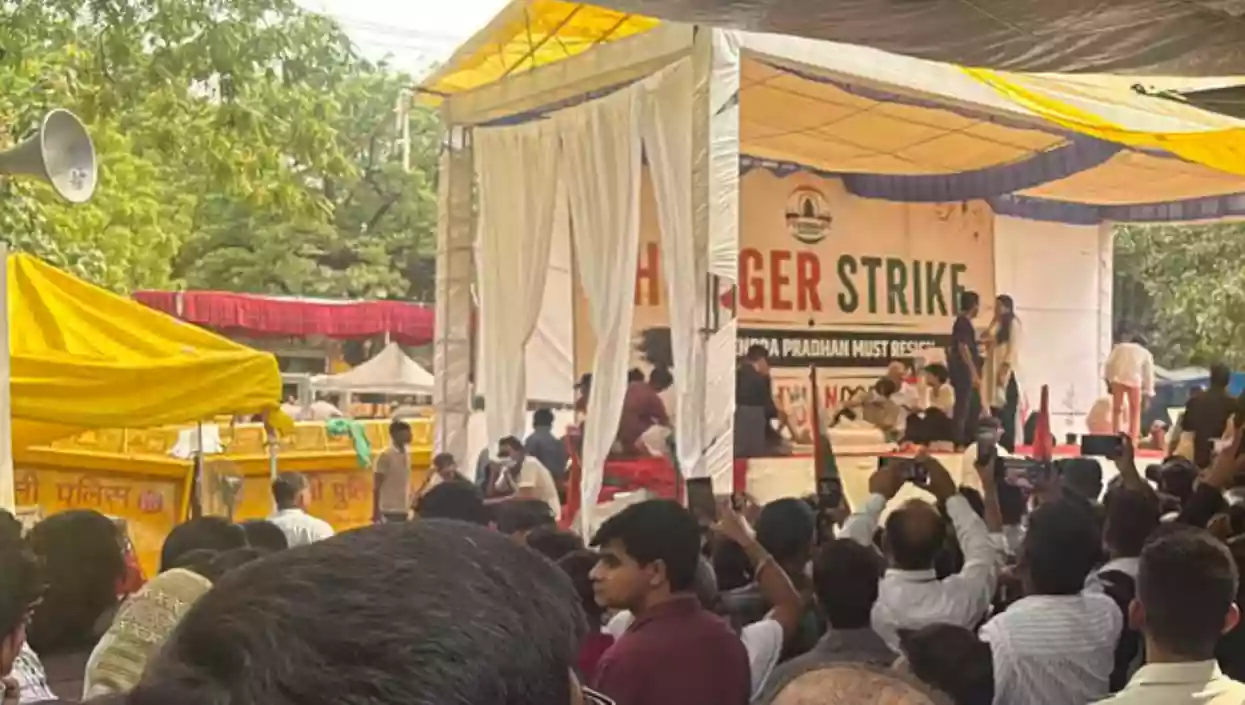

 West Bengal
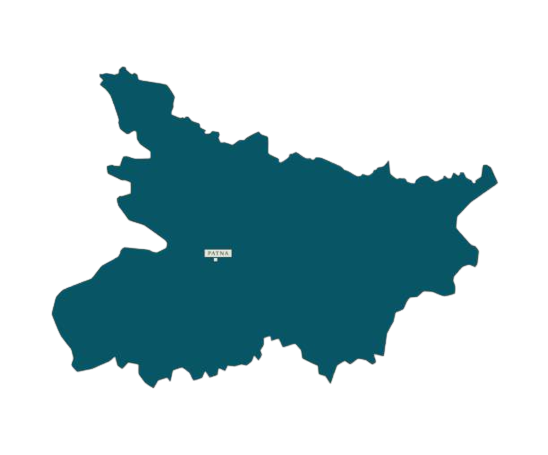 Bihar
Bihar Uttar Pradesh
 Jharkhand