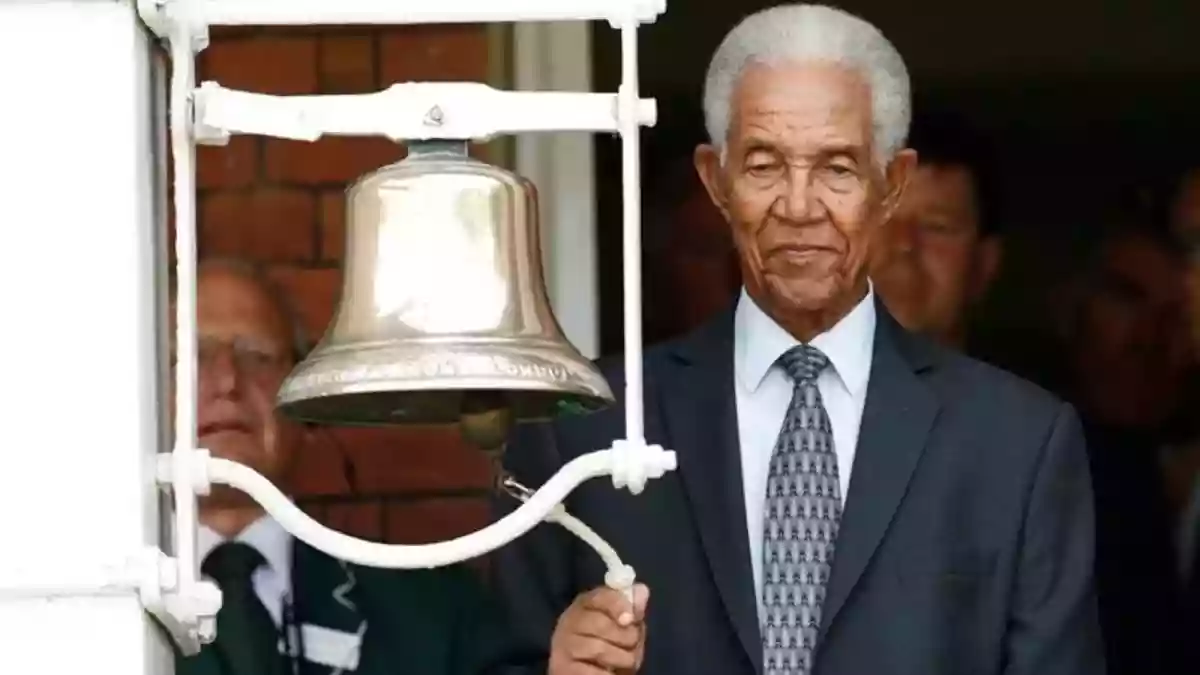
West Indies cricket legend Gary Sobers passes away; was first to smash 6 sixes in 6 balls
.gif)

Download Mobile App 






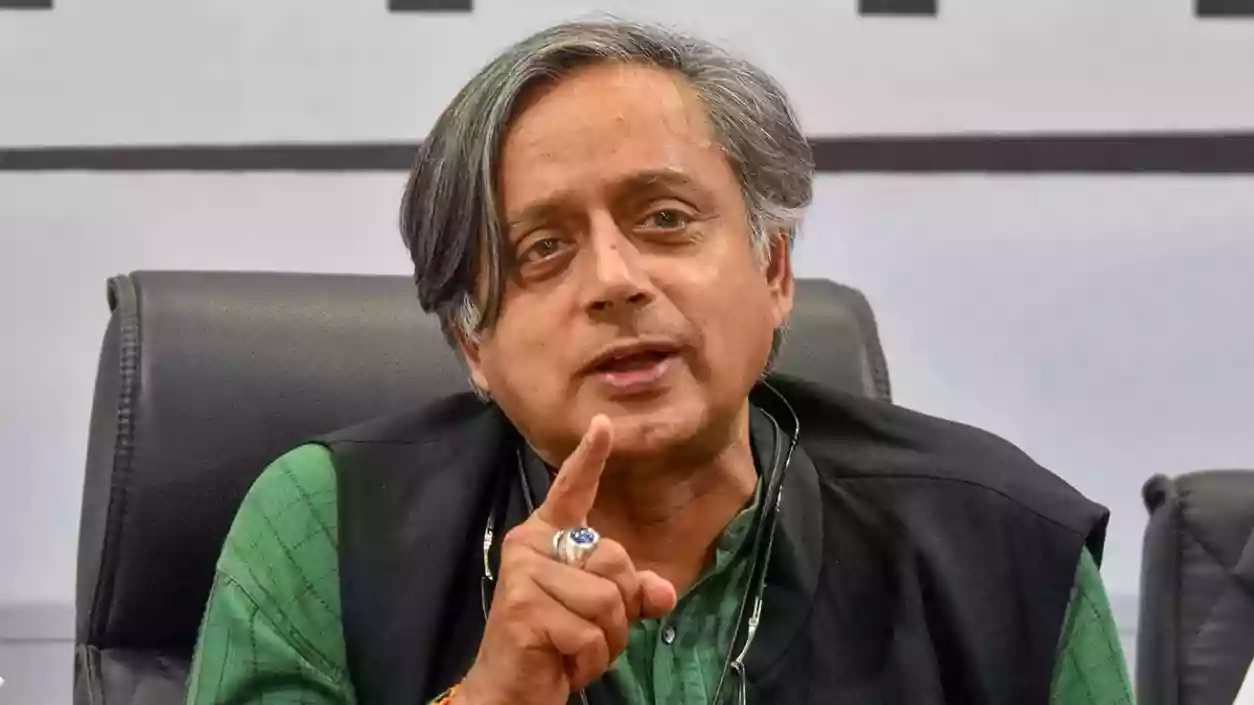
Congress MP Shashi Tharoor raised questions over the Special Intensive Revision (SIR) of electoral rolls in West Bengal, claiming that large-scale deletions from voter lists and unresolved appeals may have influenced the outcome of the 2026 Assembly elections. Speaking at the “India, That is Bharat” roundtable during the Stanford India Conference in the United States, Tharoor said around 91 lakh names had been removed from the electoral rolls in West Bengal, while nearly 34 lakh people later filed appeals claiming they were legitimate voters.
Tharoor stated that under the rules, each appeal was required to be individually adjudicated. According to him, only a few hundred cases were resolved before polling took place, leaving nearly 31 to 32 lakh appeals pending at the time of voting. Referring to the BJP’s victory margin of around 30 lakh votes in the state, he questioned whether the process had been “entirely fair and democratic.” At the same time, he clarified that he had no objection to the removal of spurious, duplicate, migrated, or deceased voters from the electoral rolls.
The Congress MP also compared the SIR process in West Bengal with the exercise conducted in Kerala and Tamil Nadu. He said there were relatively few appeals in those states and suggested that the Congress may have benefited from the deletion of duplicate voter registrations in Kerala. Tharoor alleged that in the past, instances of double, triple, and even quadruple enrolments had existed there and that such names were removed during the revision process.
The BJP secured a historic victory in the 2026 West Bengal Assembly elections by winning 207 seats in the 294-member Assembly and ending the All India Trinamool Congress’s 15-year rule in the state. The Trinamool Congress won 80 seats, while the Congress secured two seats. In Kerala, the Congress-led United Democratic Front returned to power by winning 102 out of 140 Assembly seats, while the Left Democratic Front secured 35 seats and the BJP won three seats.


.webp)
.webp)
.webp)
.webp)
.webp)

 West Bengal
 Bihar
Bihar Uttar Pradesh
 Jharkhand