.gif)

Download Mobile App 






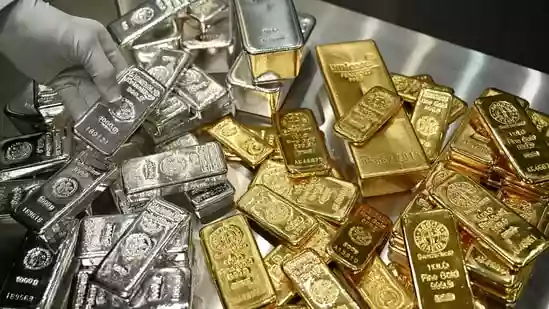
The Indian government has significantly increased the import duty on gold and silver to 15% from the previous 6% on Wednesday, May 13, 2026. This revised structure includes a 10% basic customs duty combined with a 5% Agriculture Infrastructure and Development Cess (AIDC). The move is a decisive effort to curb rising bullion imports, which reached an all-time high of $71.98 billion in the 2025-26 fiscal year. By discouraging demand, the administration aims to ease the severe pressure on India's foreign exchange reserves and narrow a trade deficit that has widened to over $333 billion.
This sharp tariff hike follows a rare national appeal by Prime Minister Narendra Modi on Monday, May 11, asking citizens to voluntarily pause gold purchases for one year. Describing it as a "national sacrifice," the Prime Minister highlighted that the massive outflow of foreign currency for non-essential gold, combined with volatile crude oil prices due to the Middle East conflict, is weakening the Indian Rupee. The appeal stood out as an unconventional macroeconomic measure to preserve dollar liquidity during a period of heightened geopolitical uncertainty.
The Global Trade Research Initiative (GTRI) had strongly supported this move, noting that India's gold bar imports surged from $36.5 billion in 2022 to nearly $59 billion in 2025. The think tank specifically pointed toward the India-UAE Free Trade Agreement (FTA) as a major contributor to this spike, noting that the UAE’s share of India’s gold imports jumped from under 8% to 28% after the deal. GTRI has urged the government to review these concessions, arguing that the UAE neither mines nor carries out major gold processing, raising concerns about third-party rerouting.



.webp)



.webp)


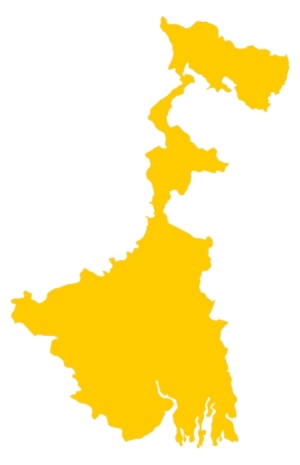 West Bengal
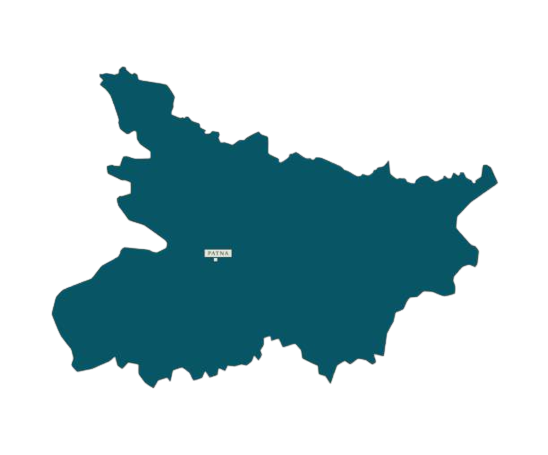 Bihar
Bihar Uttar Pradesh
 Jharkhand