
More trouble for Mamata, sedition complaint filed over "controversial comment" against India
.gif)

Download Mobile App 






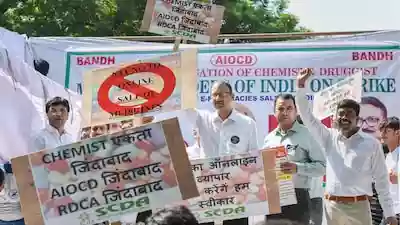
A wave of massive confusion and anxiety has gripped millions of patients and chronic disease sufferers across India ahead of a nationwide medical store strike scheduled for Wednesday, May 20, 2026. The day-long shutdown call, initiated by the All India Organisation of Chemists and Druggists (AIOCD), aims to completely lock down brick-and-mortar retail pharmacies and wholesale drug distribution channels for 24 hours. The sudden development has triggered panic-buying at local neighborhood dispensaries as consumers scramble to stock up on daily life-saving medications, insulin vials, and emergency pharmaceutical supplies.
At the absolute center of the national agitation is the physical retail sector's escalating conflict with major corporate e-pharmacy entities over predatory pricing and regulatory loopholes. The AIOCD, which commands a massive network representing lakhs of traditional pharmacists and distributors, is fiercely opposing unregulated online drug sales and aggressive 20% to 50% deep-discounting models deployed by digital tech giants. Traditional chemists argue that these massive corporate capital discounts are destroying the financial viability of small independent medicine shops, which cannot absorb such steep margins while operating under standard structural overheads.
Furthermore, the pharmaceutical apex body has raised severe public health red flags regarding the operational safety of online medical fulfillment channels. Highlighting deep systemic flaws in digital verification protocols, AIOCD General Secretary Rajiv Singhal stated that corporate e-pharmacy platforms routinely process illegal, unverified, or outright fake medical prescriptions to dispense highly regulated drugs. The strike selectively targets two controversial government notifications—GSR 220(E) and GSR 817(E)—which the chemists' body claims have created convenient legal backdoors for online aggregators to trade freely without a strict, permanent regulatory monitoring system.
Despite the sweeping national call, the ground-level impact of Wednesday’s pharmaceutical strike is expected to vary drastically from state to state and city to city. While wholesale medicine markets in major economic hubs are expected to go completely dark, several regional pharmacist unions have opted out of the shutdown to prevent human suffering and medical emergencies. To mitigate public distress, central and state healthcare departments have directed all government hospital pharmacies, emergency medical rooms, and round-the-clock generic drug centers to remain fully functional and heavily stocked throughout the protest timeline.

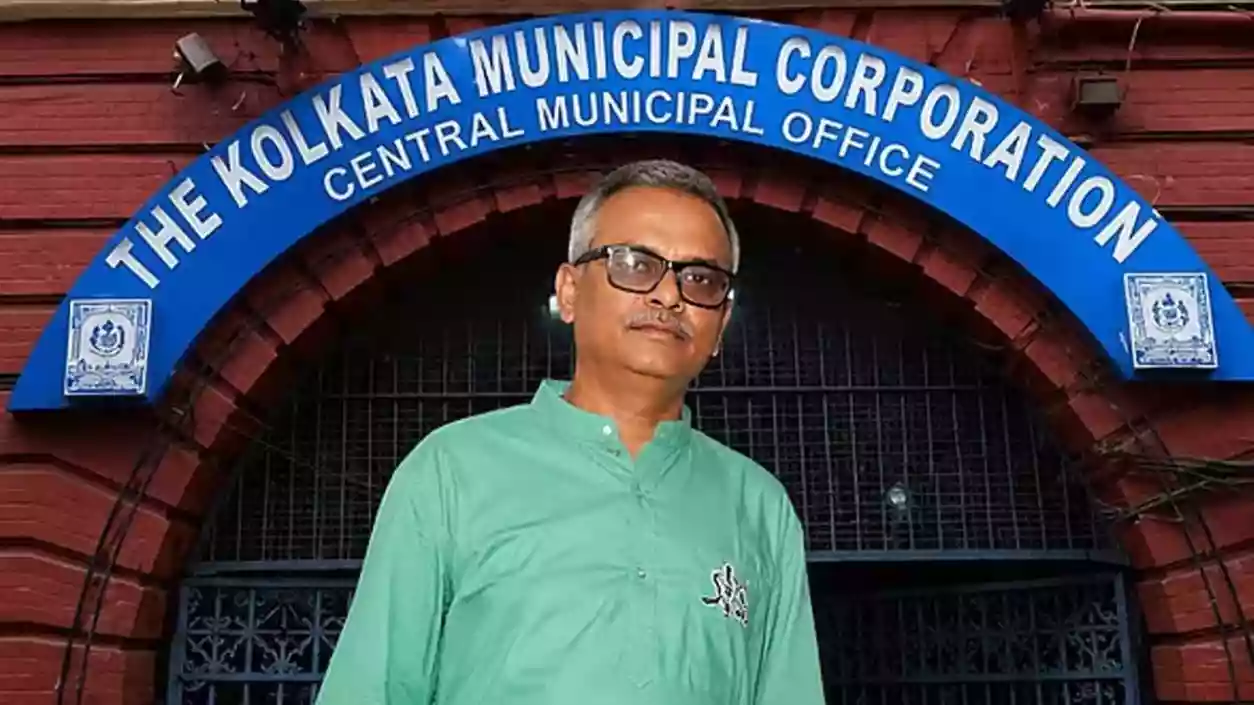



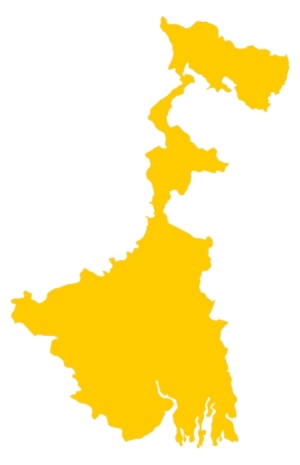 West Bengal
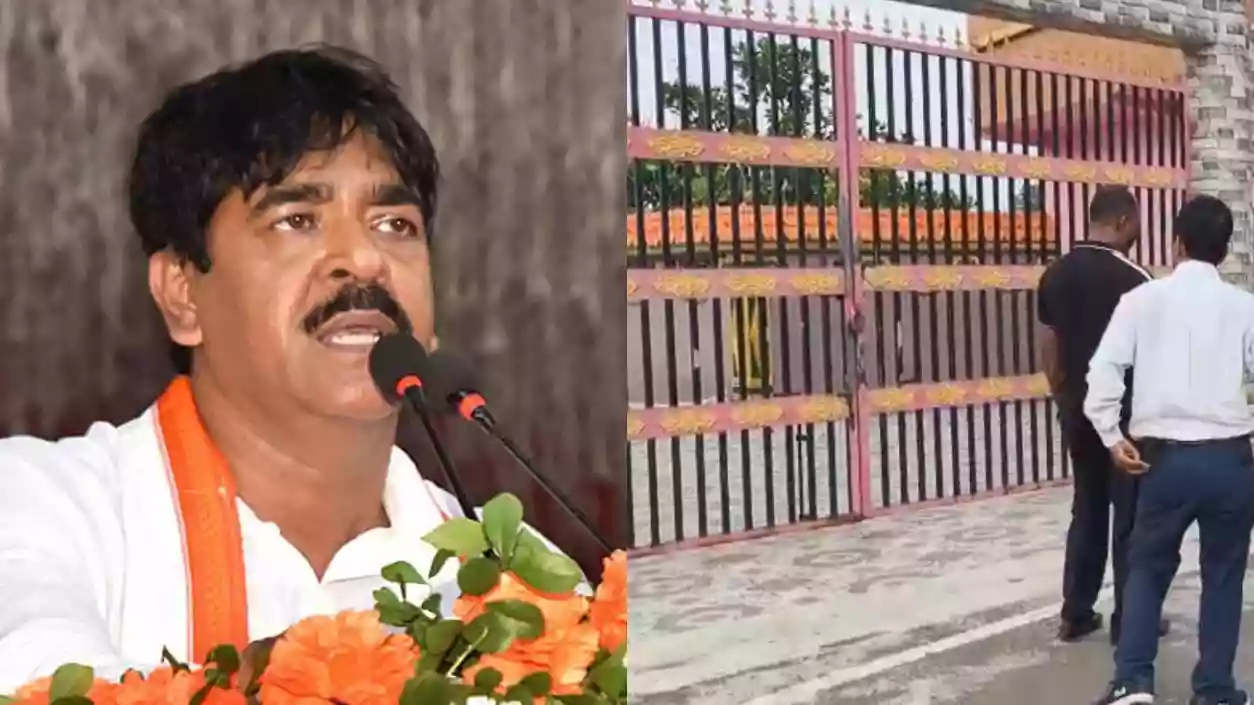
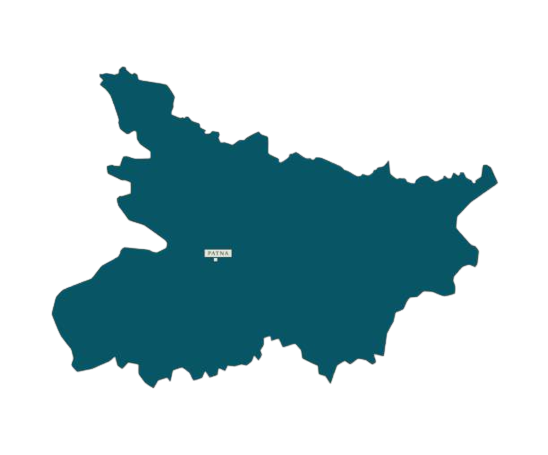 Bihar
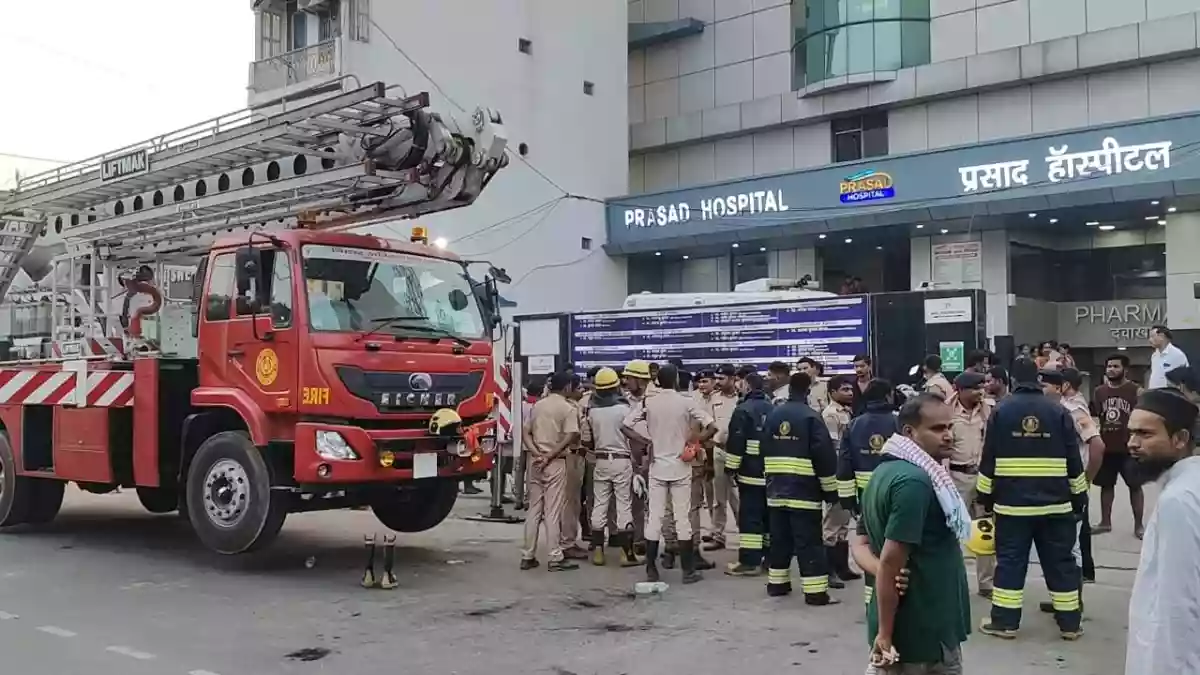
Bihar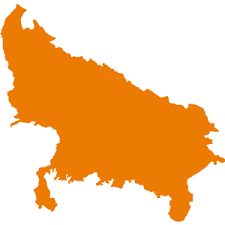 Uttar Pradesh
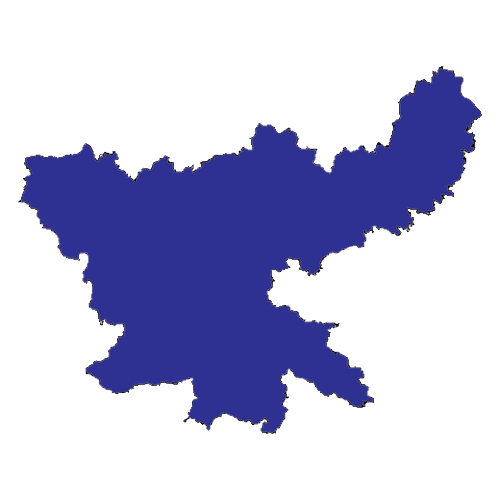 Jharkhand