.gif)

Download Mobile App 






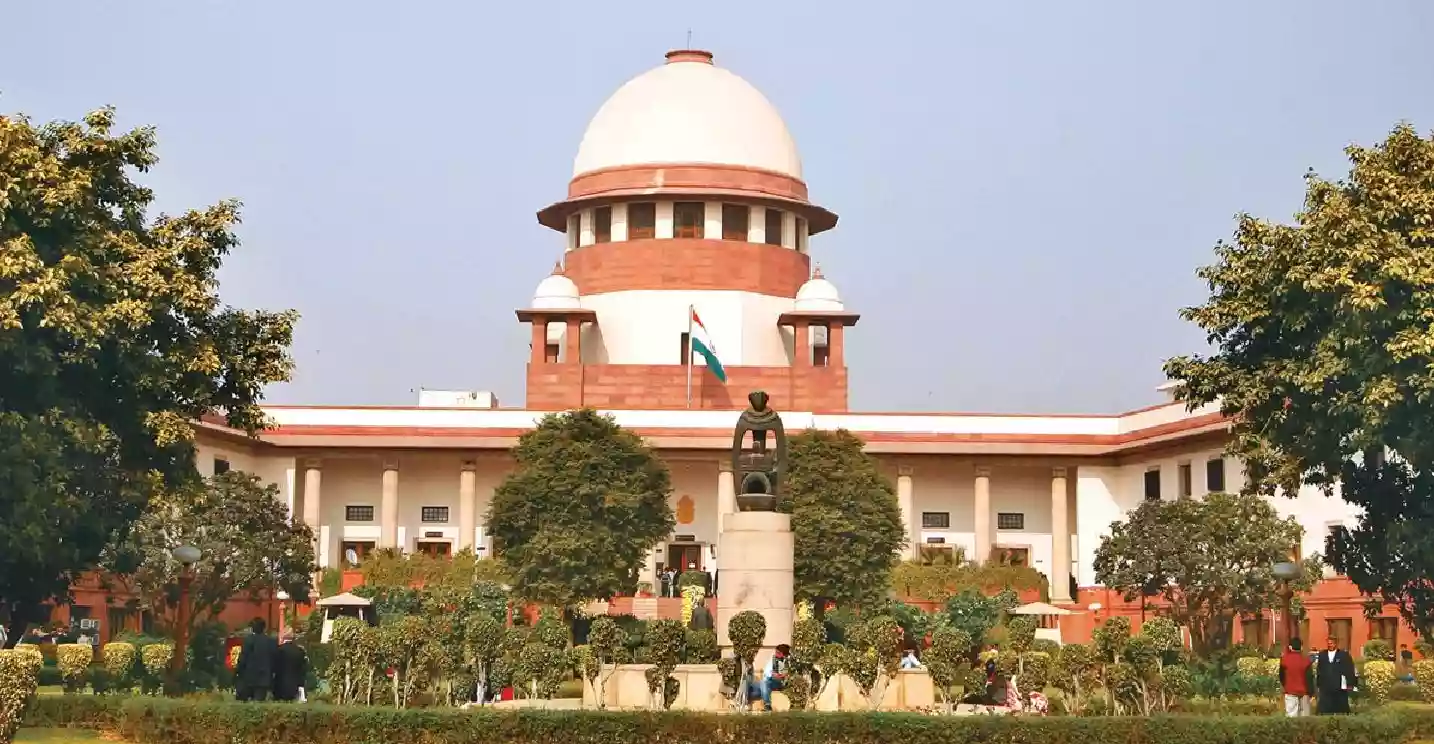
The Supreme Court of India on Wednesday robustly refused to entertain a Public Interest Litigation (PIL) that sought to legally exclude caste enumeration from the upcoming national population census. A high-powered bench, presided over by Chief Justice of India Surya Kant alongside Justice Joymalya Bagchi and Justice Vipul Pancholi, categorically ruled that deciding the structural parameters of a census falls entirely within the policy domain of the central government. The apex court emphasised that the judiciary cannot and will not intervene in complex administrative decisions regarding how demographic data is collected.
During the swift courtroom proceedings, Chief Justice Surya Kant clarified the socio-economic necessity of comprehensive data gathering, noting that the state requires accurate statistics to implement welfare programs effectively. "Whether a census should be caste-based or not caste-based is a pure policy decision," the CJI remarked during the hearing. He further added that the executive branch has a legitimate, governance-based obligation to know the exact numerical strength of backward classes and other marginalised communities across the nation to properly calibrate reservation policies and resource allocation.
The ongoing judicial hearings carry immense administrative weight as India transitions toward the 2027 national census. Officially designated as the 16th national census, the 2027 exercise is slated to be a monumental milestone in Indian administrative history as the country's first fully digital census. Furthermore, it marks the first comprehensive, pan-India caste enumeration exercise to be conducted in nearly a century, with the last such exhaustive data collection occurring way back under British rule in 1931.










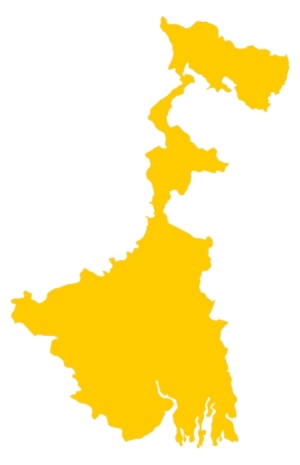 West Bengal
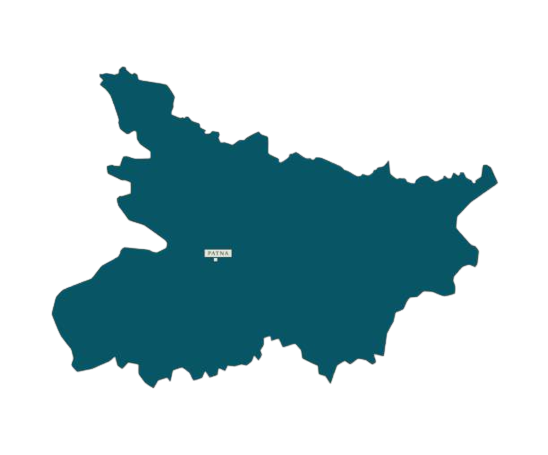 Bihar
Bihar Uttar Pradesh
 Jharkhand