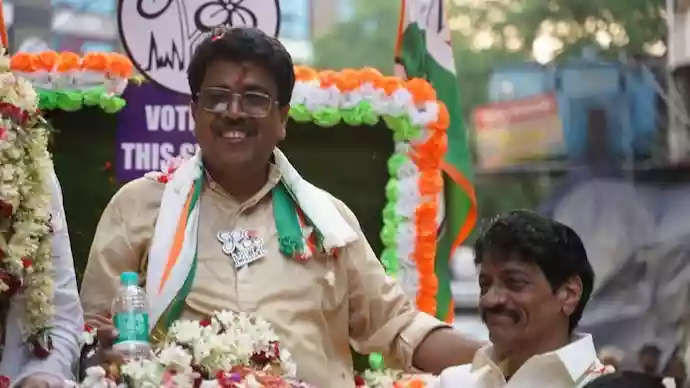
Court sends Councilor Mahesh Sharma to 6-day police custody in extortion case
.gif)

Download Mobile App 






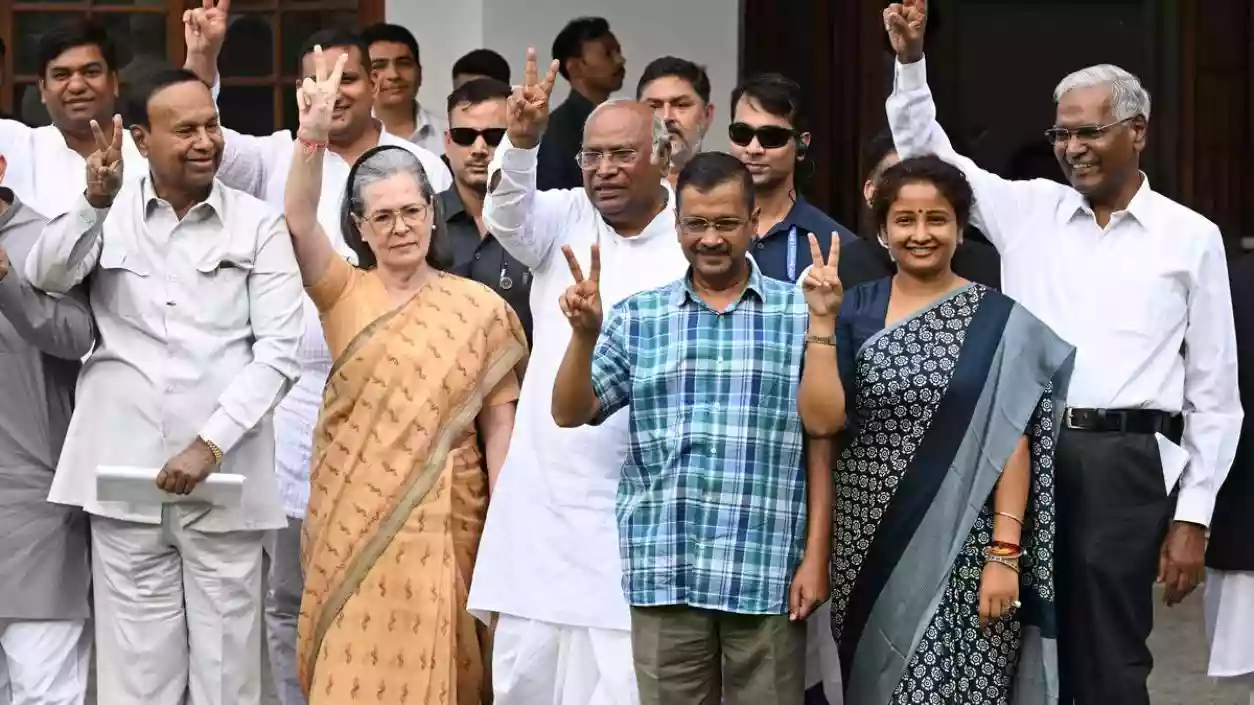
Senior leaders from around 15 opposition parties are likely to meet in New Delhi on June 8 for a key INDIA bloc meeting aimed at discussing the alliance’s future strategy and major political issues facing the country. The meeting is expected to take place at the Constitution Club and will bring together leaders from several opposition parties, including the Trinamool Congress, Samajwadi Party, Shiv Sena (UBT), and Left parties.
According to sources, the discussions are expected to focus on the future course of the INDIA bloc following the recent Assembly elections in five states. Opposition leaders are also likely to deliberate on issues such as paper leak controversies, inflation, fuel prices, economic concerns, and other national matters. Senior Congress leaders have reportedly been reaching out to opposition parties to coordinate participation in the meeting.
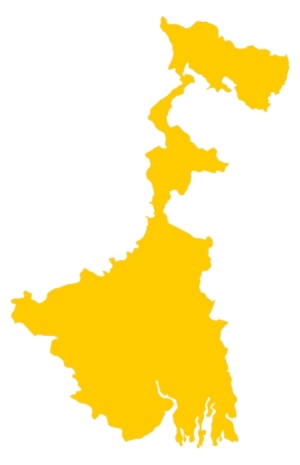
The proposed gathering comes at a time when political equations within the opposition alliance have undergone significant changes following recent state election results. The BJP defeated the Trinamool Congress in West Bengal, while political realignments also emerged in Tamil Nadu and Kerala. These developments have intensified discussions regarding the future structure and direction of the opposition alliance.
Sources indicated that several prominent opposition leaders are expected to participate in the meeting, including Mamata Banerjee, Rahul Gandhi, Mallikarjun Kharge, Akhilesh Yadav and Uddhav Thackeray. Mamata Banerjee is also expected to raise issues related to alleged attacks on Trinamool Congress leaders in West Bengal. The meeting is being viewed as an effort to strengthen coordination among opposition parties amid changing political circumstances.
The INDIA alliance has held several consultations since the 2024 Lok Sabha election, including meetings before Parliament sessions to coordinate opposition strategy. The June 8 meeting is expected to focus on reinforcing opposition unity and reviewing the alliance’s approach after recent electoral setbacks and shifting political alliances in different states. Sources said discussions may also include organisational coordination and joint responses to ongoing political developments.

.webp)

.webp)

 West Bengal
 Bihar
Bihar Uttar Pradesh
 Jharkhand