.gif)

Download Mobile App 






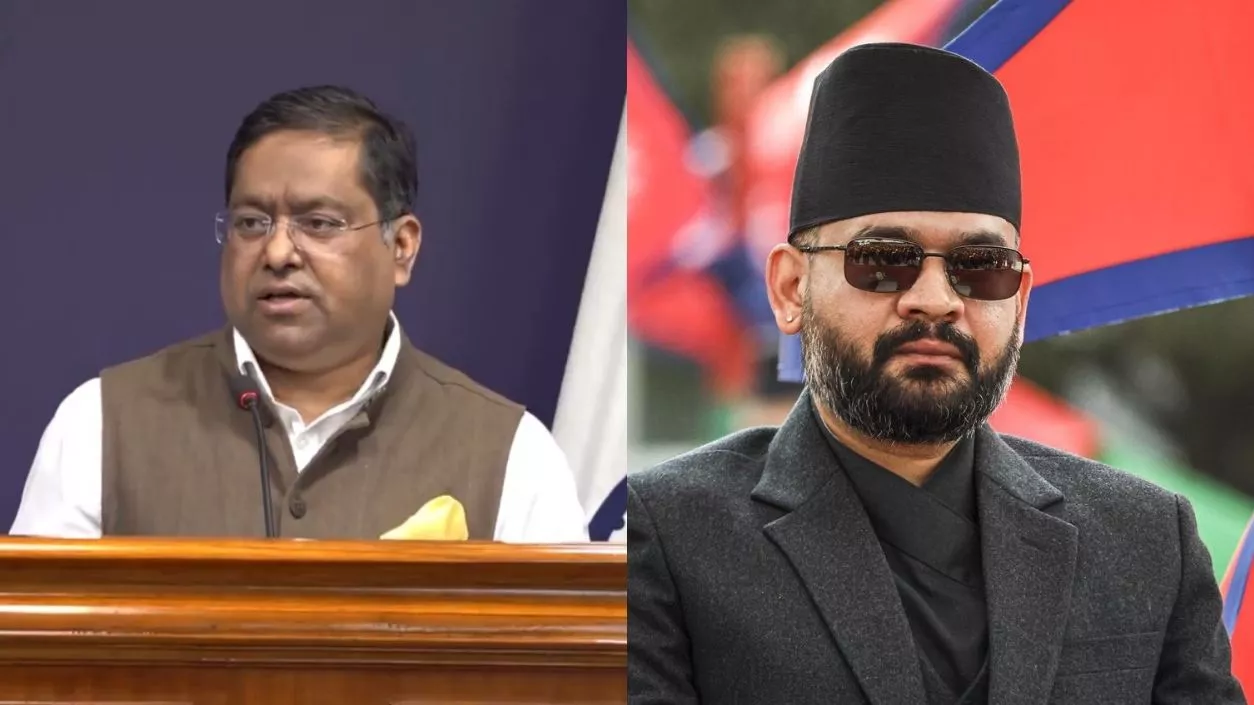
India on Tuesday rejected any role for third parties in resolving boundary issues with Nepal, following remarks by Nepal Prime Minister Balendra Shah suggesting that China and the United Kingdom could be involved in discussions related to the long-standing border dispute. Responding to the comments, Ministry of External Affairs spokesperson Randhir Jaiswal stated that all bilateral matters between India and Nepal must be resolved solely by the two countries.
Jaiswal said approximately 98 per cent of the India–Nepal border has already been demarcated, while a few issues remain unresolved in certain sections. He explained that some of the outstanding concerns have arisen due to changes in the course of the Gandak River. He also noted that cases of cross-border encroachment and encroachments on no-man’s land in some demarcated areas are currently being jointly mapped.
The response came after Shah stated during a parliamentary session that Nepal was in contact not only with India but also with China and the United Kingdom regarding the Lipulekh Pass border dispute. Shah said Nepal believed Britain should be involved because the issue dates back to the period when British India existed in the region. He also stated that encroachments had occurred on both sides of the border.
The boundary dispute between India and Nepal centres on the areas of Lipulekh, Limpiyadhura and Kalapani. India maintains that the territories are part of Uttarakhand, while Nepal claims the areas belong to it under the 1816 Sugauli Treaty signed with British India. The issue gained renewed attention in 2020 when Nepal released a revised political map showing the disputed regions within its territory.
India and Nepal have continued discussions on the unresolved sections of the boundary while maintaining that the vast majority of the border has already been settled. The latest exchange follows renewed public remarks from Nepal’s leadership regarding the disputed areas and the process for resolving the issue.


.webp)


.webp)


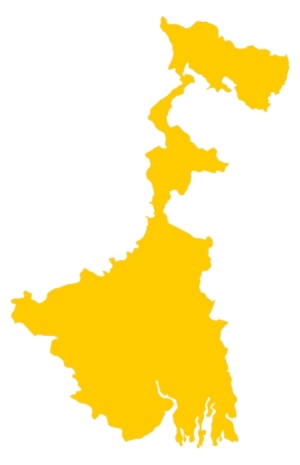 West Bengal
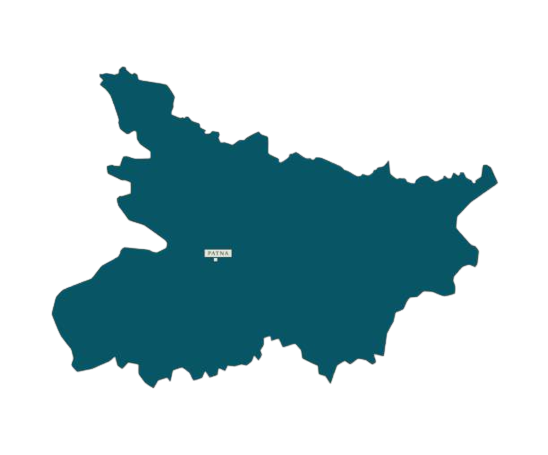 Bihar
Bihar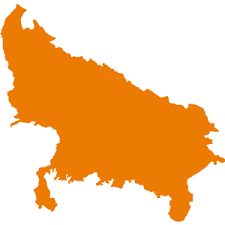 Uttar Pradesh
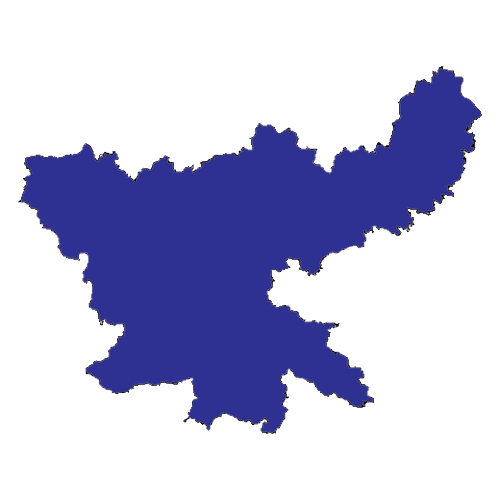 Jharkhand