.gif)

Download Mobile App 






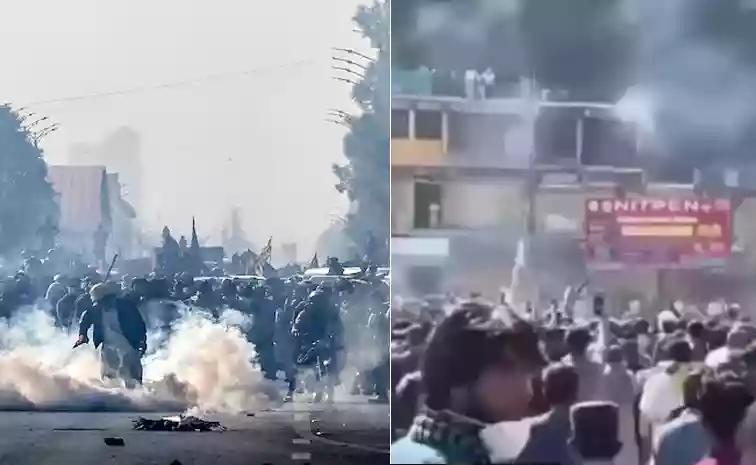
The geopolitical situation in Pakistan-occupied Kashmir (PoK) has drastically deteriorated into a major political crisis following a brutal military crackdown on local civilians. Tensions reached a boiling point in Rawalakot when Pakistani security forces and paramilitary rangers opened unprovoked fire on a massive crowd gathered for a funeral and memorial service. According to the Jammu-Kashmir Joint Awami Action Committee (JAAC), this direct military action resulted in the tragic deaths of 25 civilians, alongside two security personnel, bringing the total death toll to 27, while over 200 individuals sustained severe injuries. More than 100 civil activists have been arbitrarily detained, and several remain missing after the chaos.
The deceased youth, identified as Shahzaib Habib, had initially lost his life to previous police firing, transforming his funeral into a focal point for regional anti-government resistance. Senior JAAC leader Shaukat Nawaz Mir issued a harrowing video statement alleging that the Pakistani establishment has given "shoot-at-sight" directives targeting their committee members. The latest wave of state-sponsored violence erupted immediately after the Pakistani government proscribed the JAAC under its Anti-Terrorism Act, sealing its offices and deploying over 14,000 military troops to forcefully suppress an indefinite region-wide shutdown scheduled to begin on June 9.
The current civil uprising traces back to the unfulfilled mandates of the "Muzaffarabad Agreement" signed in October 2025. Following deadly public agitations over severe economic hardships, the Islamabad administration had promised structural administrative changes, crucial subsidies on basic items like wheat flour, and a fair reduction in heavily taxed electricity prices. However, the JAAC maintains that the government used stalling tactics and failed to implement any long-term relief. The unrest has further intensified ahead of the July 27 legislative elections, with local citizens fiercely opposing the controversial reservation of 12 seats for external refugees out of 45 assembly seats.
Evocative videos detailing the humanitarian crisis have flooded social media networks despite severe internet blackouts. In one widely shared clip, a young Kashmiri girl questioned the democratic validity of the administration, lamenting that they demanded basic food and electricity but were given bullets instead. In another emotional address, JAAC core committee member Saqib Ilyasi expressed absolute disillusionment with the state, boldly proclaiming that if the government cannot provide basic human rights and economic justice, it should drop its nuclear arsenal on PoK residents to end their daily humiliation.



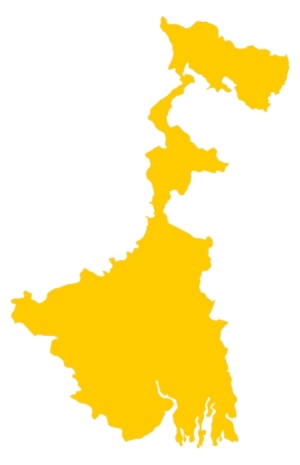 West Bengal
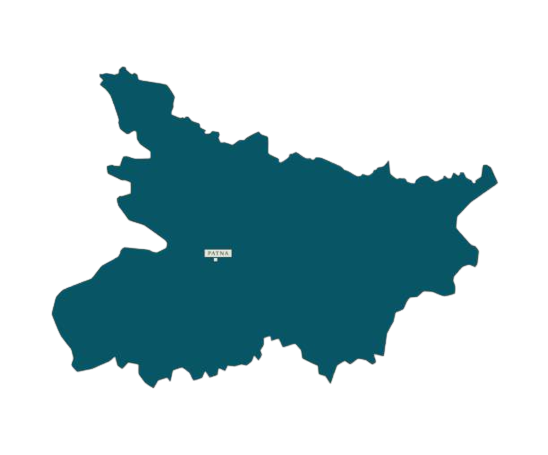 Bihar
Bihar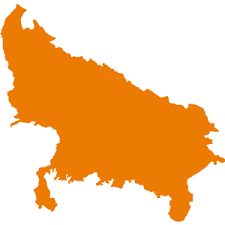 Uttar Pradesh
 Jharkhand