
Mamata visits Calcutta HC to challenge Assembly election result
.gif)

Download Mobile App 







In a decisive move to curb exam malpractice, the central government has officially announced a temporary countrywide ban on the messaging application Telegram. The stringent intervention comes on the back of direct recommendations from the National Testing Agency (NTA), which sought preventive measures against paper leaks and organised cheating networks before the high-stakes NEET (UG) 2026 re-examination. Acting on this advice, the Ministry of Electronics and Information Technology (MeitY) invoked emergency powers under Section 69A of the Information Technology Act, 2000, to enforce immediate, time-bound restrictions across the platform.
The newly issued directives from the IT Ministry lay down two explicit mandates targeting the application's functionality within the country. First, public access to Telegram inside India stands completely restricted for a temporary duration concluding on June 22, 2026, effectively shielding the days right before, during, and after the competitive medical entrance test. Second, the platform has been ordered to disable its message-editing feature for all historically posted messages in the country until June 30, 2026. This comprehensive blockage aims to lock down suspicious channels and secure the overall digital landscape for students.
According to official briefings from the NTA, the message-altering capability on Telegram had emerged as a highly specific structural loophole exploited by cheating syndicates. Sophisticated fraud networks were allegedly using the tool to manipulate timestamps and tweak message text long after the tests were over, thereby engineering a false, retroactive illusion of actual question paper leaks to cheat candidates and incite public panic. By freezing these features, authorities expect to completely disrupt the operations of these underground rackets that exploit student anxiety for financial gains.




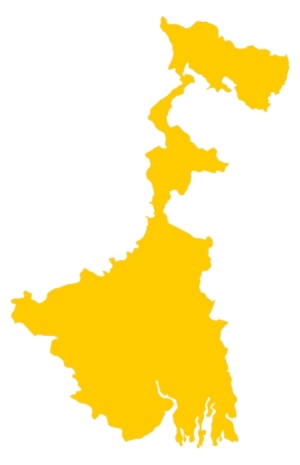 West Bengal
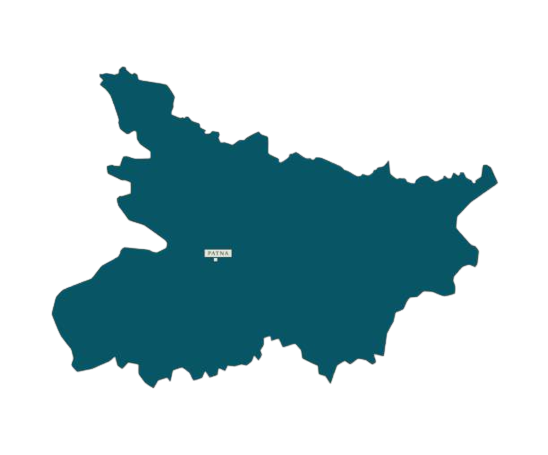 Bihar
Bihar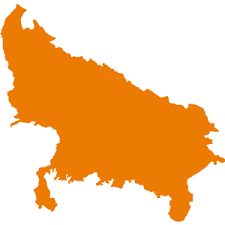 Uttar Pradesh
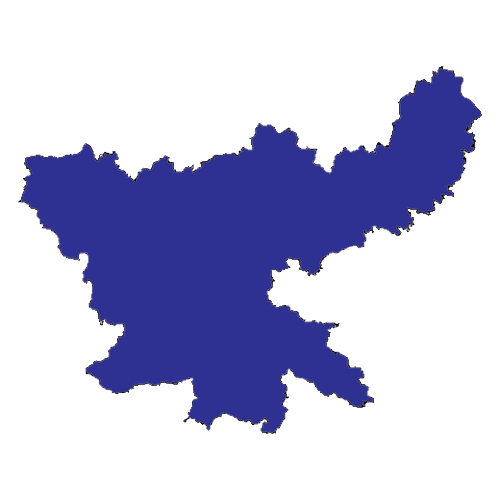 Jharkhand