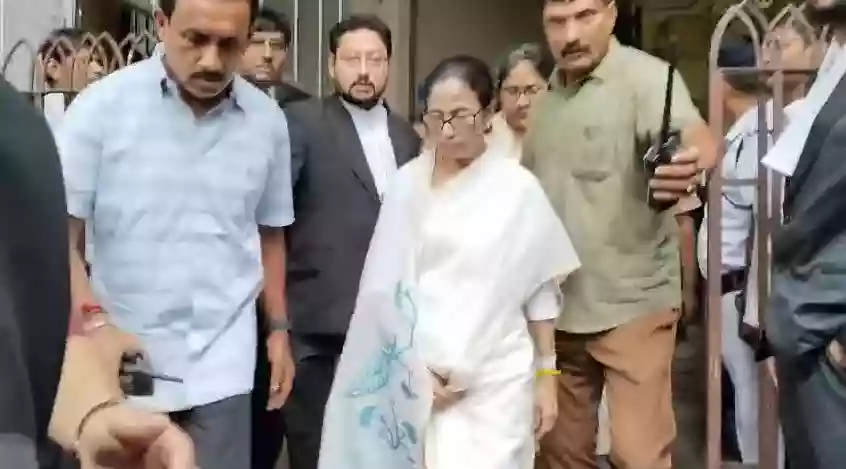
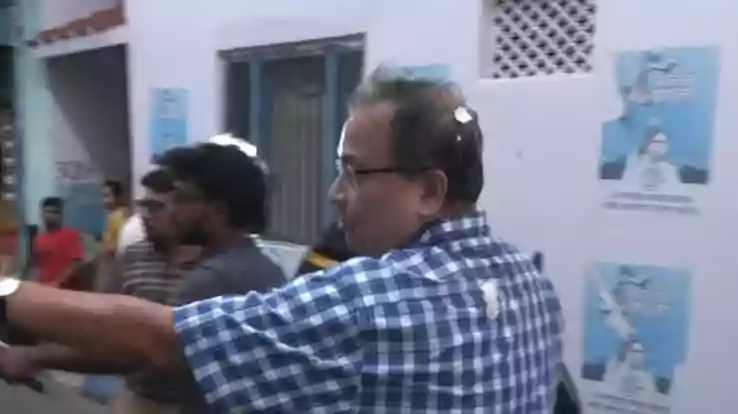
Mamata visits Calcutta HC to challenge Assembly election result
.gif)

Download Mobile App 






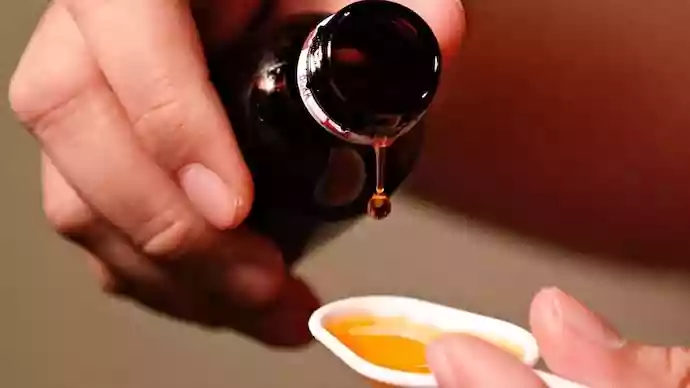
In a massive regulatory crackdown aimed at enhancing consumer safety, the central government has officially amended the Drugs Rules, 1945, effectively ending the over-the-counter (OTC) sale of all medicinal syrups, including commonly used cough syrups. Pharmacies across India will now be legally prohibited from selling these liquid formulations directly to consumers unless a valid prescription from a registered medical practitioner is presented at the counter. The policy intervention follows a notification issued by the Department of Health and Family Welfare under the signature of Joint Secretary Harsh Mangla, signaling a tight oversight pivot in the country's pharmaceutical retail ecosystem.
The decisive administrative shift comes on the heels of major public health alarms raised over the past few months, when contaminated cough syrups were linked to the tragic deaths of several children in Madhya Pradesh and Rajasthan. The incidents ignited intense national debate and renewed calls from medical bodies and consumer groups for stricter domestic oversight regarding the manufacturing safety and retail distribution of liquid medicine formulations. Exercising statutory powers vested under Sections 12 and 33 of the historic Drugs and Cosmetics Act, 1940, the central administration fast-tracked the corrective framework under what is officially titled the Drugs (Fifth Amendment) Rules, 2026.
Mechanically, the amendment enforces its restrictive control by omitting the word "Syrups" from item number seven under the "Class of Drugs" category listed within Schedule K of the Drugs Rules, 1945. Previously, the inclusion of liquid syrups in this specific schedule shielded them from mandatory prescription verification, allowing retail chemists to dispense them freely to walk-in consumers. The newly gazetted rules are the culmination of an institutional review process that began when draft rules were originally published on December 30, 2025, to invite public objections and industry feedback, all of which were evaluated before codifying the final law.
The newly enacted compliance mandate is expected to immediately recalibrate consumer buying habits and routine pharmacy operations across urban and rural landscapes alike. Everyday citizens accustomed to treating minor seasonal ailments or pediatric coughs via direct pharmacy counter purchases will now face a mandatory healthcare checkpoint, requiring a formal consultation with a licensed doctor first. While pharmaceutical retail associations must scramble to ensure pan-India compliance among thousands of local chemists, public health experts have widely lauded the step as a necessary long-term measure to eradicate self-medication dangers and curb the commercial circulation of substandard medical batches.





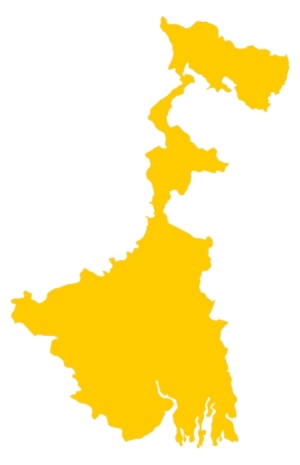 West Bengal
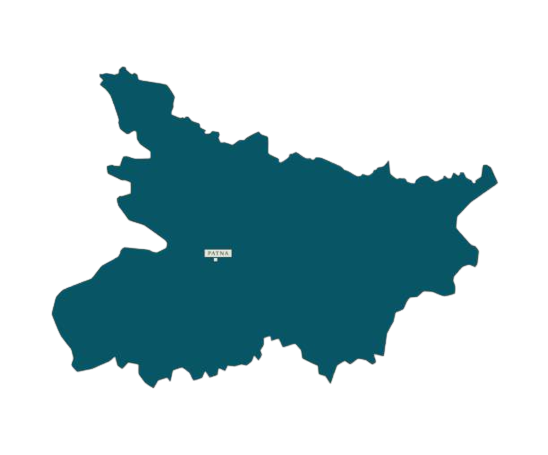 Bihar
Bihar Uttar Pradesh
 Jharkhand