CBSE makes U-turn on three-language police, exempts class 10 students
.gif)

Download Mobile App 






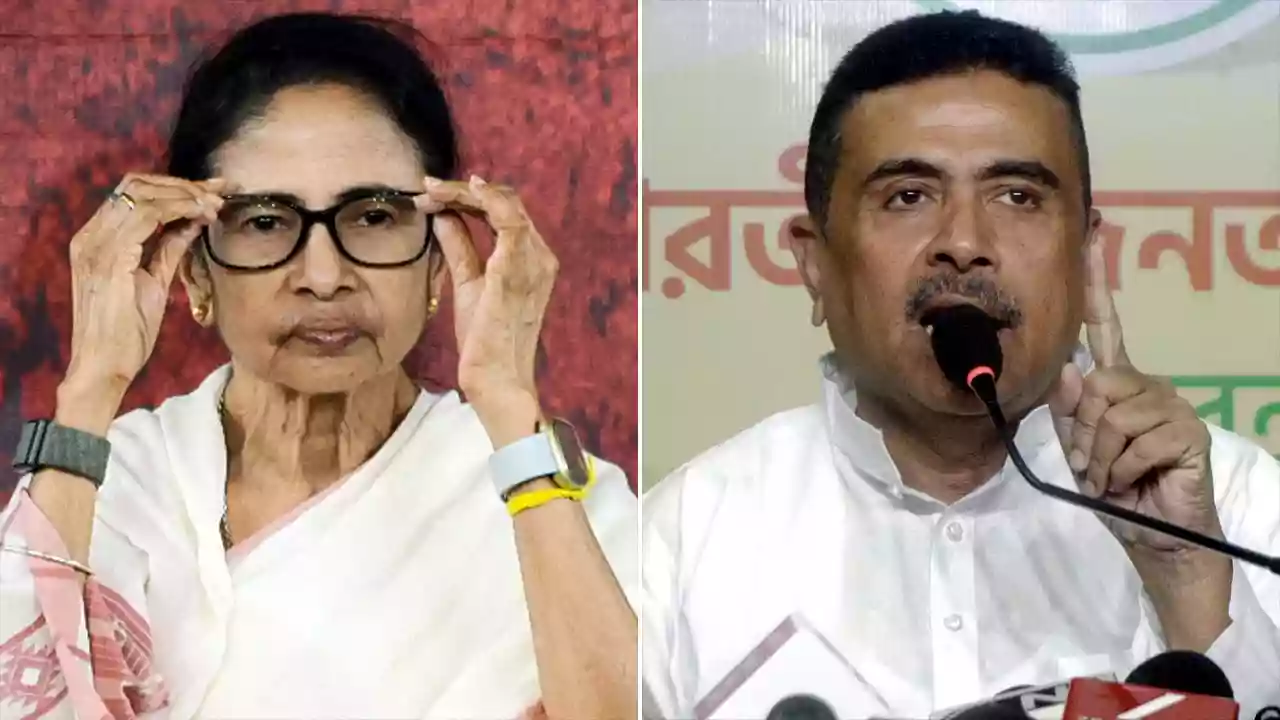
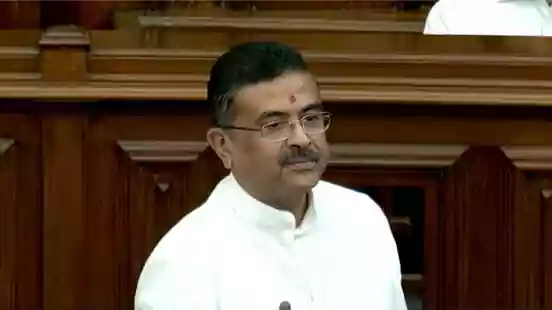
A fierce political storm has erupted in the West Bengal Legislative Assembly following a highly metaphorical and unyielding statement by Chief Minister Suvendu Adhikari regarding deep-seated corruption within the Kolkata Municipal Corporation (KMC). Speaking on the floor of the House on Monday, Adhikari directed a scathing attack at the top leadership of the previous Trinamool Congress (TMC) regime. He used a vivid analogy to link former Urban Development Minister and ex-Mayor Firhad Hakim with former Chief Minister Mamata Banerjee, declaring that if Firhad Hakim represents the "pen" in administrative decisions, then Mamata Banerjee serves as the "ink" that fuels it.
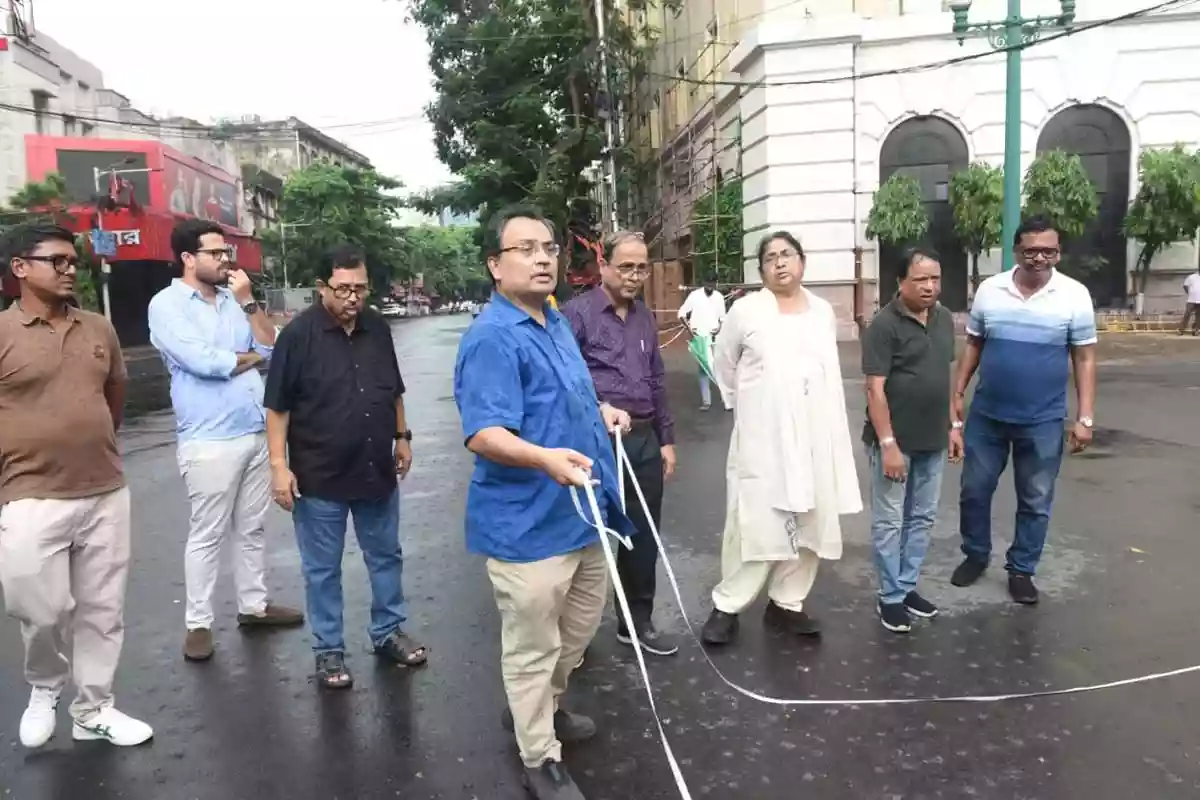
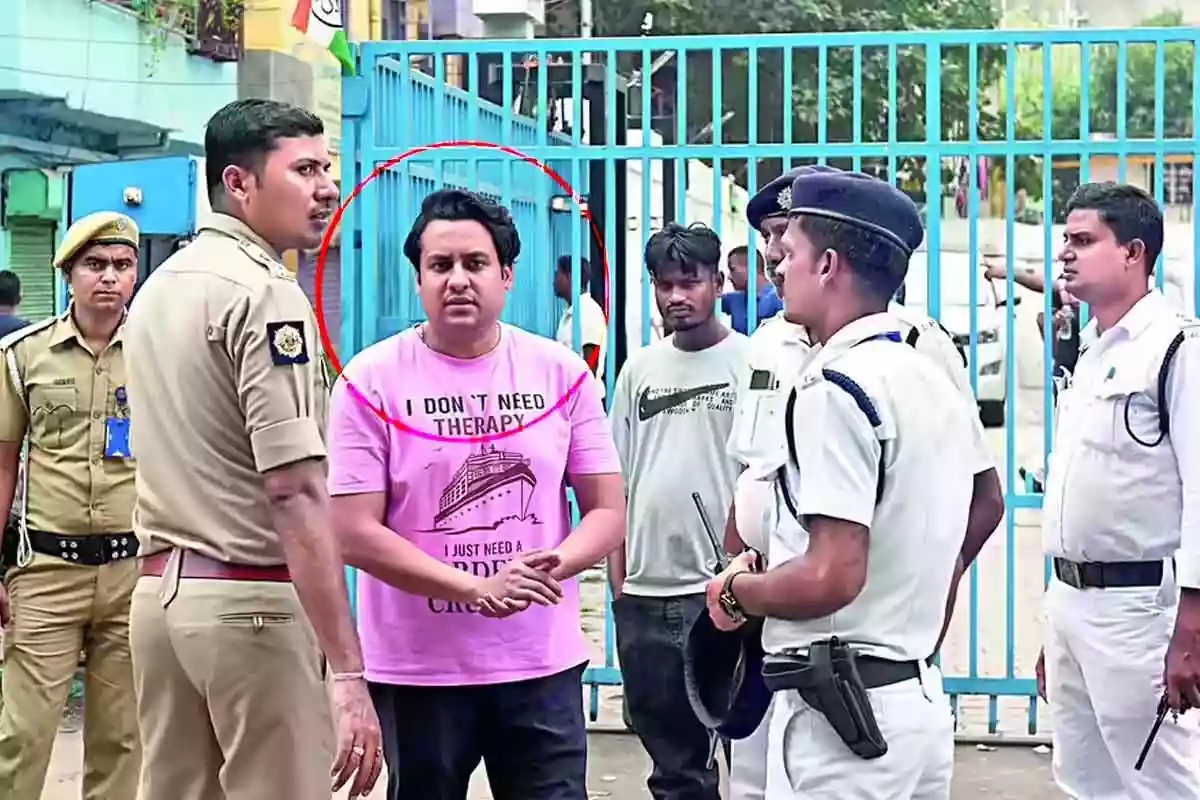
The Chief Minister’s aggressive remarks came in the wake of the recent Taratala warehouse disaster, where a fatal structural collapse claimed multiple lives and threw KMC’s building sanction procedures under intense public scrutiny. Following the tragedy, the state's Detective Department arrested Kalicharan Banerjee, popularly known as "Kali," who previously functioned as the powerful Officer on Special Duty (OSD) under Firhad Hakim. The high-profile arrest of the bureaucrat triggered a massive wave of demands from Mamata Banerjee’s loyalists at Kalighat, who publicly called for the immediate arrest of Hakim—who recently defected to a rebel TMC faction—to establish absolute political accountability.
Seizing upon the internal factional warfare of the opposition, Chief Minister Adhikari made it clear that the state's ongoing anti-graft crackdown will not halt at lower-level bureaucrats or intermediate politicians. He asserted before the Assembly that if verifiable evidentiary pathways lead investigators to the former Mayor, they will naturally extend all the way to the former Chief Minister. Adhikari firmly warned that if the "pen" is legally bound for prison due to systemic irregularities, the "inkpot" must inevitably follow, adding an explicit caveat that law enforcement will spare absolutely no individual provided there is concrete structural proof of wrongdoing.



.webp)

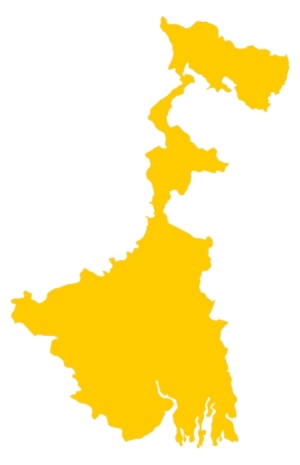 West Bengal
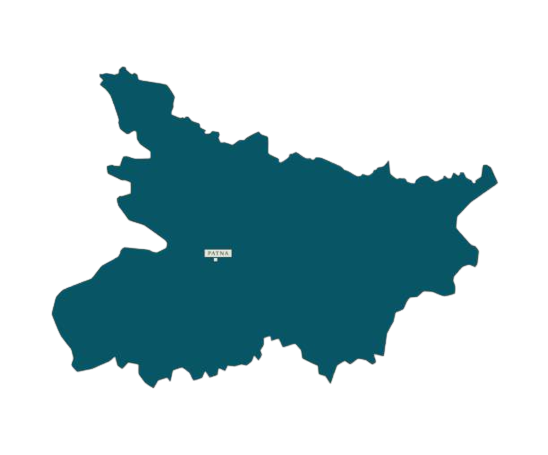 Bihar
Bihar Uttar Pradesh
 Jharkhand