.webp)
FIR against Aprarupa Poddar for pushing a cop during NIA raid
.gif)

Download Mobile App 






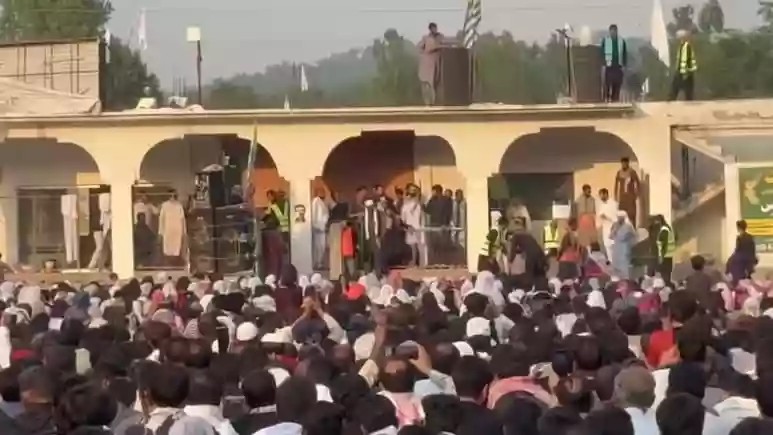
The anti-government movement in Pakistan-administered Kashmir has reached a critical boiling point as massive demonstrations in Rawalakot entered their 22nd consecutive day on Tuesday. Gathering in thousands at the Eidgah Ground, protesters openly voiced deep-rooted opposition to Islamabad's administrative and political custody over the Himalayan region. The civil unrest, sparked by long-standing grievances regarding systemic misgovernance, severe inflation, economic hardships, and administrative neglect, has intensified significantly despite aggressive attempts by authorities to suppress public mobilization.
The demonstration gained massive momentum following a punitive two-week blockade on food grains, flour, and other essential daily supplies imposed by Pakistani authorities to weaken the agitation. Led by prominent civil rights figures, including Joint Awami Action Committee (JAAC) activist Sardar Aman Khan, the residents firmly rejected the leadership of Pakistan Army Chief General Asim Munir, declaring that they would no longer tolerate dictatorial governance. To contain the fallout and restrict international awareness, a complete internet blackout has been enforced across the region since June 5, 2026.
Addressing the crowds, Sardar Aman Khan delivered a defiant speech asserting that the region is not a part of Pakistan and that Islamabad depends more on Kashmir than vice versa. Referencing a parallel sit-in active near the Line of Control (LoC) since June 9, Khan warned that if artificial food shortages and harsh communication blockades persist, the local populace may bypass traditional bounds and look toward India for trade and humanitarian assistance. Support for the movement has transcended regional borders, with diaspora communities organizing solidarity demonstrations outside Pakistani diplomatic missions in several countries.


.webp)



.webp)


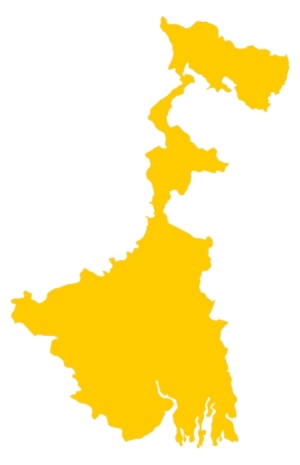 West Bengal
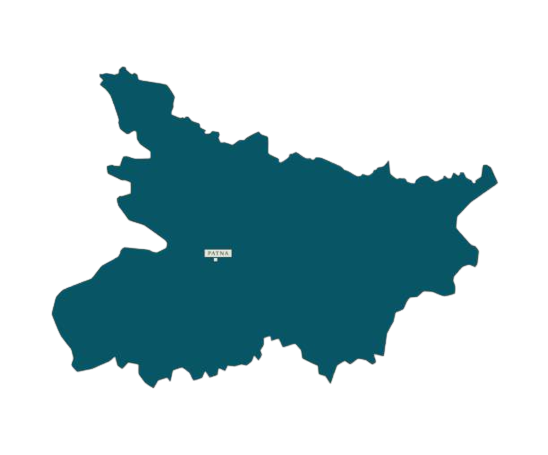 Bihar
Bihar Uttar Pradesh
 Jharkhand