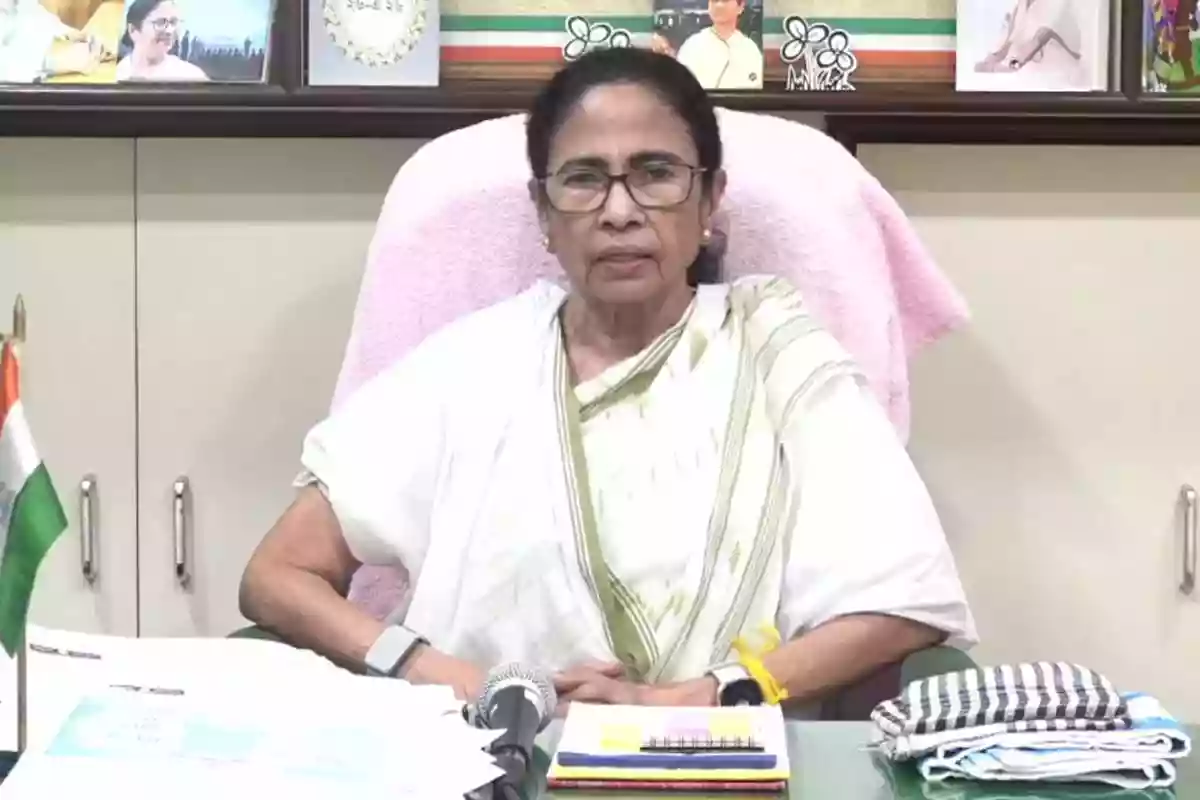
"Take your blankets and leave before July 21": Mamata warns defectors
.gif)

Download Mobile App 






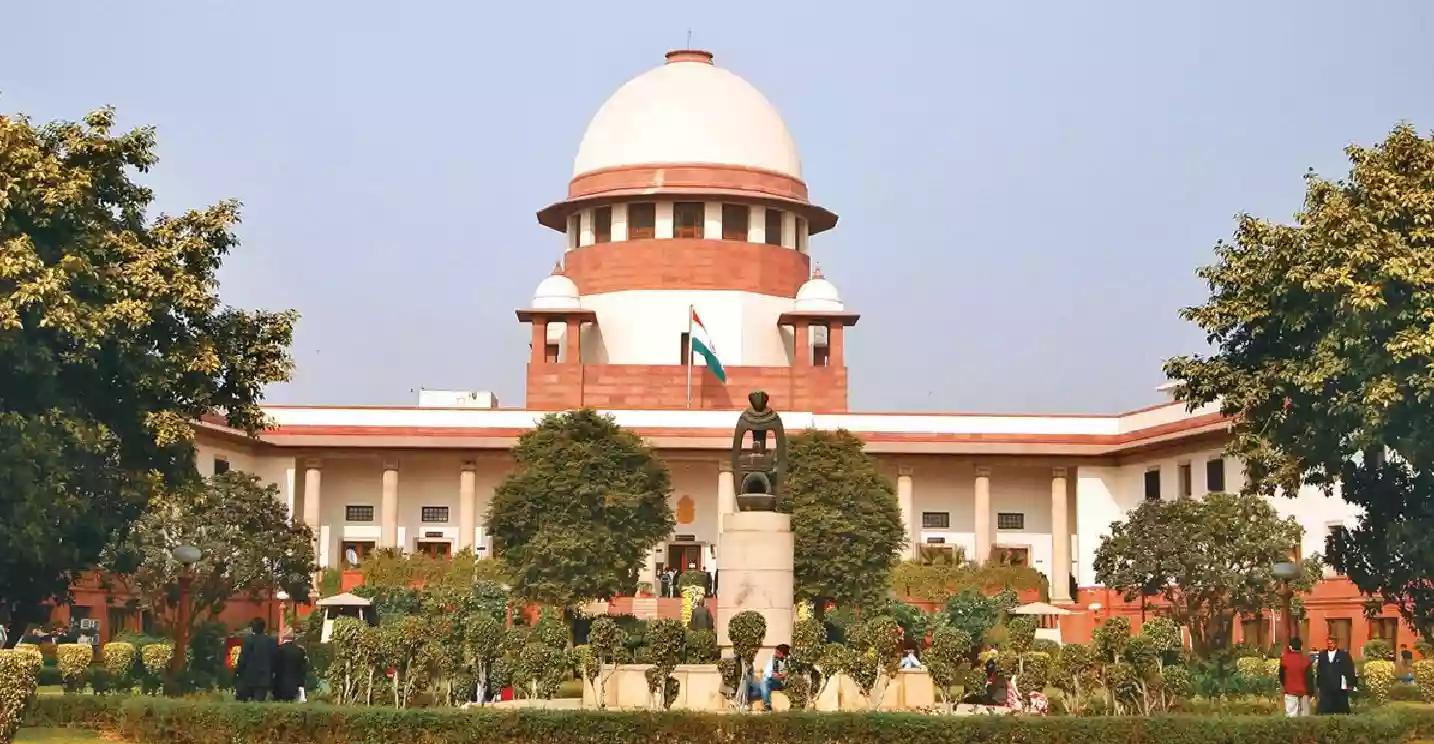
The Supreme Court of India on Thursday questioned the Central Board of Secondary Education's curriculum framework that introduces a compulsory third language at the Class 9 level. A two-judge bench comprising Justice B V Nagarathna and Justice R Mahadevan observed that forcing students to learn a new language in the ninth standard places unnecessary academic stress right before their critical Class 10 board examinations. The bench urged the Union government to reconsider the timing of the policy, strongly advising that any additional language should ideally be introduced much earlier, such as in Class 6 or Class 5, and wrapped up before the board prep years begin.
These verbal observations were made during a hearing on the Tamil Nadu government's appeal against a Madras High Court order that directed the state to facilitate the establishment of Jawahar Navodaya Vidyalayas (JNVs) across every district. Tamil Nadu has historically resisted the setting up of JNVs due to apprehensions regarding the Union's three-language policy. Addressing the state's counsel, Justice Nagarathna clarified that the National Education Policy does not mandate Hindi as the third language, highlighting that it could well be Sanskrit or any regional alternative since the rule explicitly states that no single language is to be imposed on any state.
Furthermore, the apex court bench counselled the Tamil Nadu government not to reject central education policies solely out of a political reflex against the Union government. Pointing out that talks between the Centre and the state regarding JNV infrastructure are still underway and noting a recent change of guard in the state administration, the court expressed hope for an evolving resolution. Recognizing that the underlying policy dispute is also pending separate evaluation before another bench, the court formally adjourned the present JNV establishment matter to August 11.






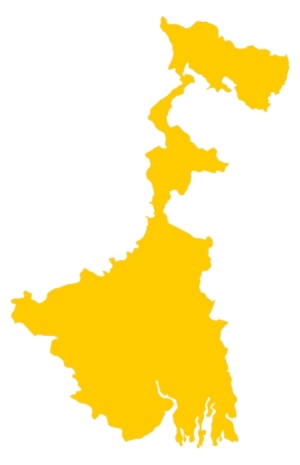 West Bengal
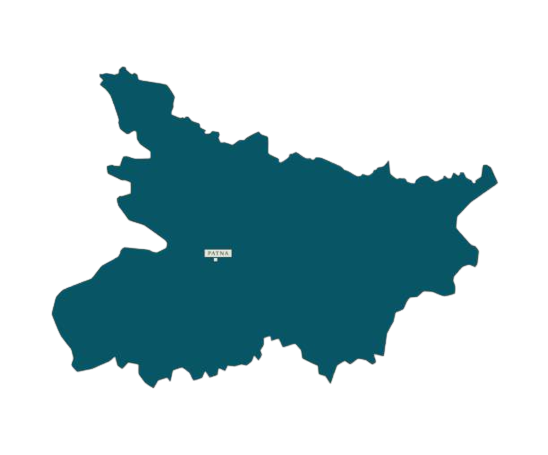 Bihar
Bihar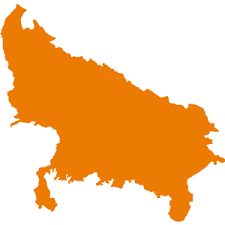 Uttar Pradesh
 Jharkhand