
Tragic firing at BSF camp in Malda leaves 2 jawans dead, 1 critically injured
.gif)

Download Mobile App 






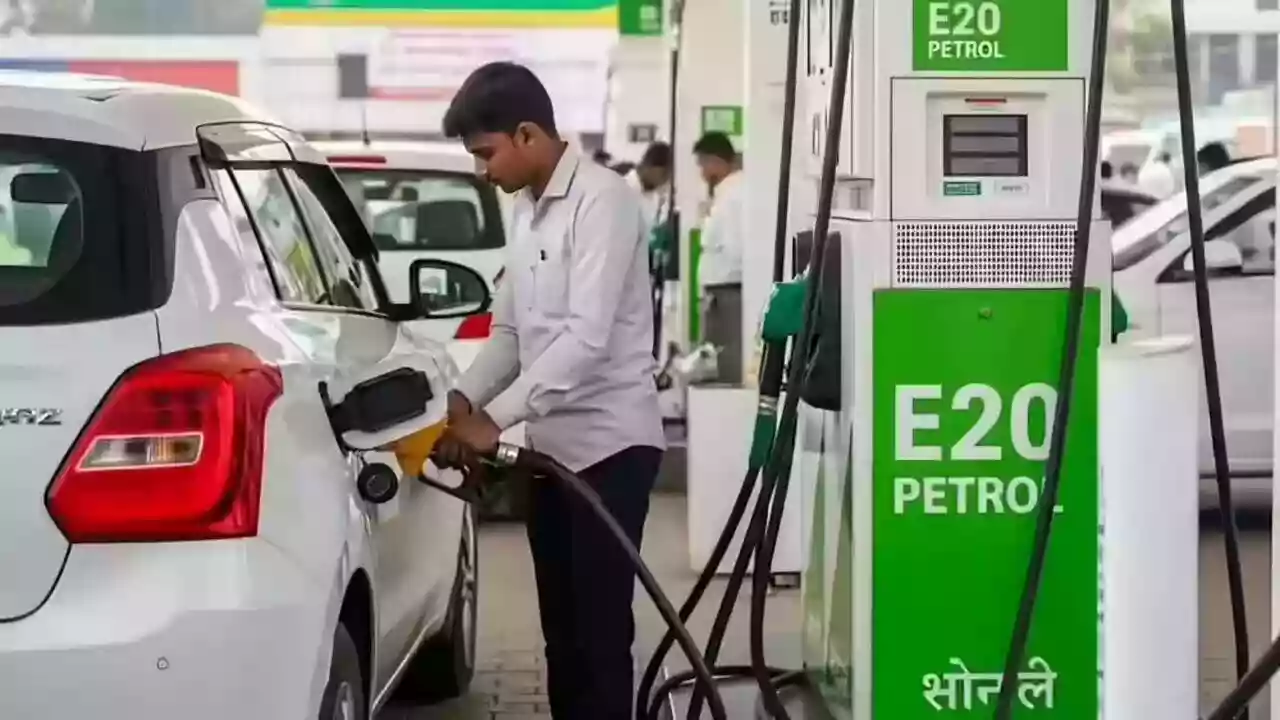
The Union Government has reaffirmed its stance in Parliament that E20 petrol is a safe, clean, and technologically advanced fuel, clarifying that there is no proposal to revert to ethanol-free fuel. Responding to parliamentary queries, Union Minister of State for Petroleum and Natural Gas Suresh Gopi stated that the government's policy focuses on transitioning toward superior standards rather than returning to lower alternatives. The Minister also clarified that no decision has been taken to increase ethanol blending beyond the current 20% limit.
Addressing widespread social media claims regarding engine failures and reduced vehicle mileage, the government highlighted extensive laboratory evaluations and real-world field trials conducted by NITI Aayog and technical bodies. Data presented in Parliament showed that over 200 million two-wheelers and 30 million petrol cars currently operate on E15+ and E20 blends without verified evidence of engine damage. Major automobile manufacturers reported zero ethanol-related engine failure complaints across tens of millions of serviced vehicles. While older E10-certified vehicles may experience a marginal 3–5% drop in mileage, the higher octane rating of E20 improves pickup, engine smoothness, and overall performance.
India achieved its target of 20% ethanol blending five years ahead of schedule, with average blending rising from 12% in 2022–23 to 20% in the current 2025–26 cycle. The Ethanol Blended Petrol (EBP) programme has saved nearly ₹2 lakh crore in foreign exchange and reduced crude oil imports by approximately 316 lakh metric tonnes. Additionally, carbon dioxide emissions declined by 952 lakh metric tonnes, while domestic farmers received over ₹1.66 lakh crore in payments. Public sector oil marketing companies have established multi-channel grievance redressal systems to address consumer concerns promptly.




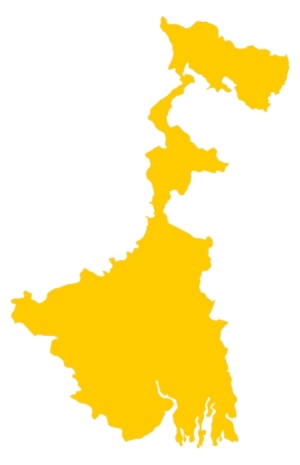 West Bengal
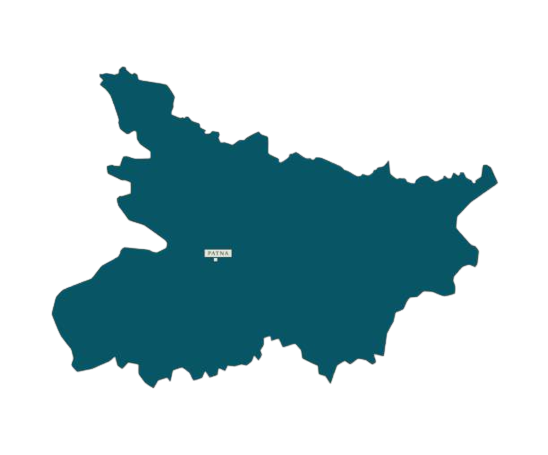 Bihar
Bihar Uttar Pradesh
 Jharkhand