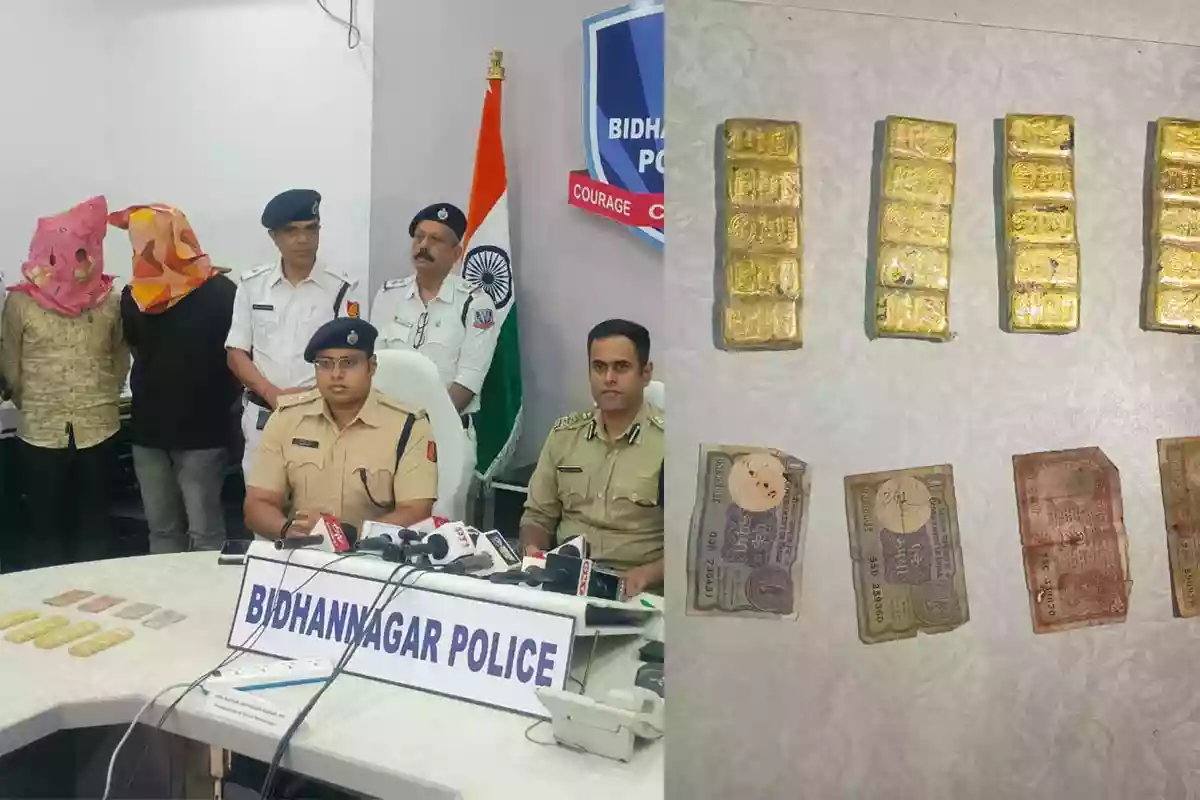
Police arrest 2 youths with gold biscuits, old currency notes worth 6 crores from Lake Town
.gif)

Download Mobile App 






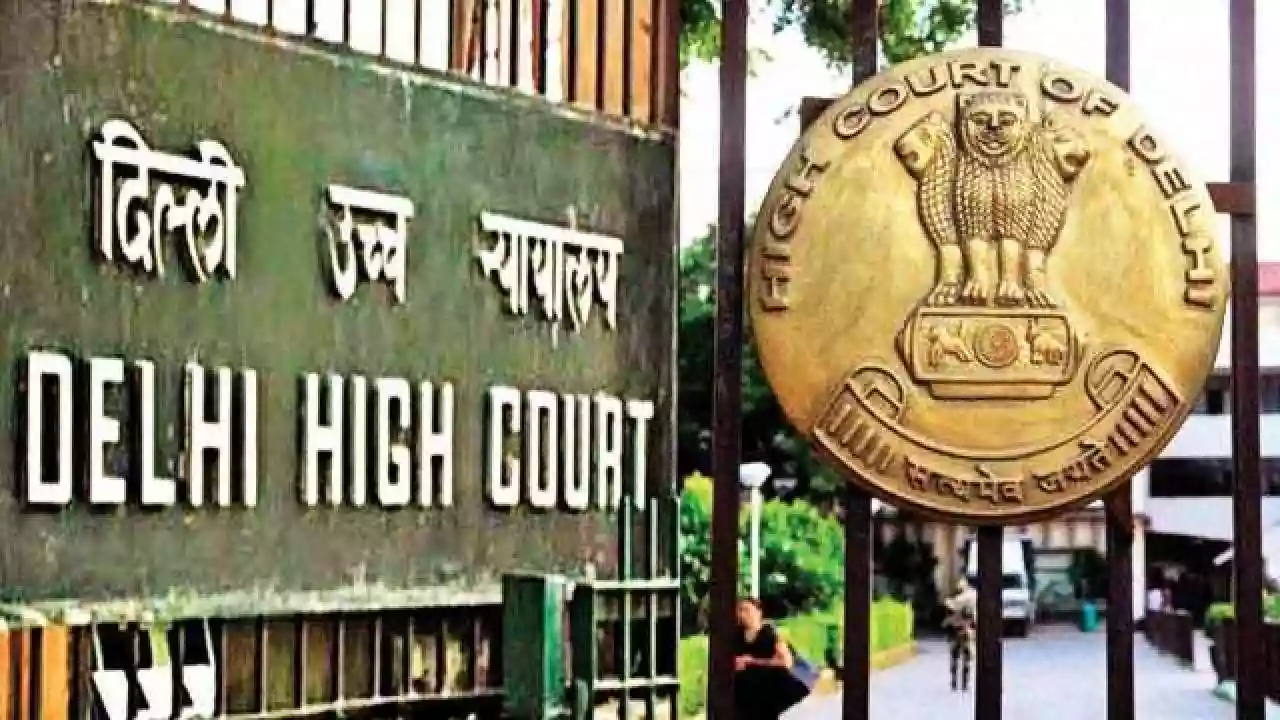
Following public assurances from Prime Minister Narendra Modi amid ongoing student protests, the Delhi High Court has established a specially designated fast-track court to try cases related to public examination paper leaks. Under the directions of Chief Justice DK Upadhyaya, judicial officer Anu Grover Baliga has been appointed as Special Judge at the Rouse Avenue Courts Complex to exclusively preside over these proceedings. The new court will exercise administrative jurisdiction under the Principal District and Sessions Judge and focus on expediting trials under the Public Examinations (Prevention of Unfair Means) Act, 2024.
All pending cases registered under the anti-cheating law within the national capital will be transferred immediately to the Rouse Avenue fast-track court. The legislation mandates stringent penal provisions, including imprisonment up to five years and fines up to ₹10 lakh for individuals convicted of facilitating examination malpractices. Reports indicate that similar specialized fast-track courts are currently being planned in four other states to deal with paper leak offenses, particularly those connected to the NEET-UG examination controversies.
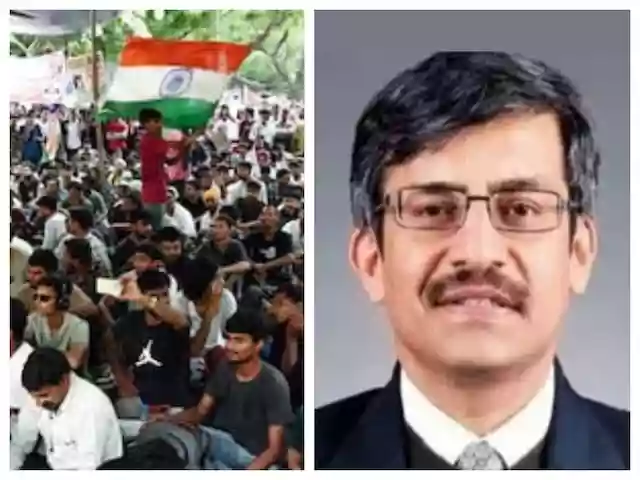
The judicial directive comes as demonstrations led by the Cockroach Janta Party (CJP) and various student organizations at Jantar Mantar enter a critical phase. Protesters have demanded the resignation of Union Education Minister Dharmendra Pradhan, broader systemic reforms, and an end to examination irregularities. While the government has signaled readiness to engage with student representatives, CJP leadership maintained that negotiations should occur at Jantar Mantar or a neutral venue, affirming that peaceful protests will continue alongside the judicial developments.



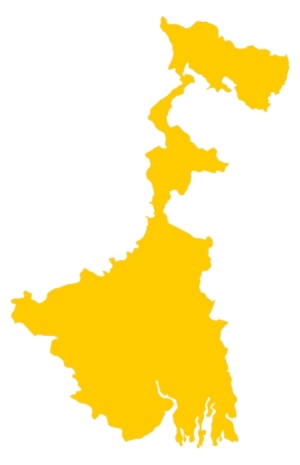 West Bengal
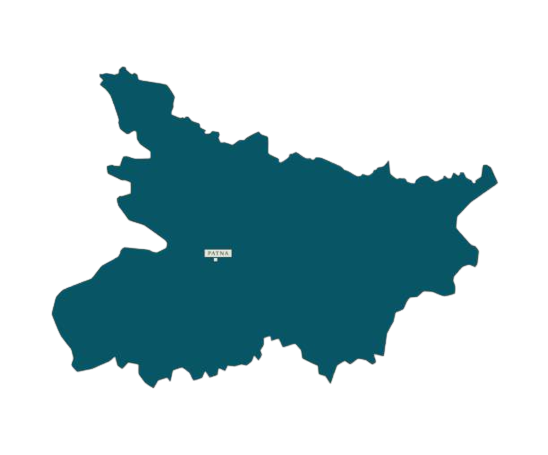 Bihar
Bihar Uttar Pradesh
 Jharkhand