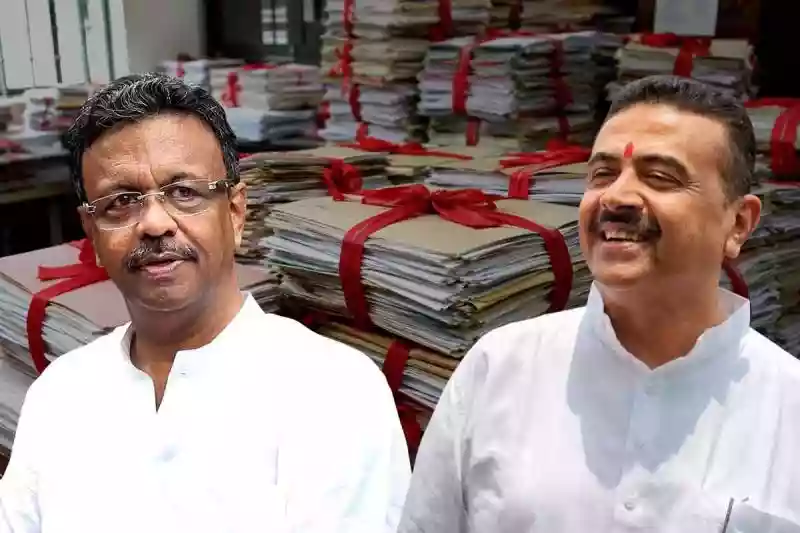
CM Suvendu slashes "red-tape' on MLA petitions, issues 7-day deadline; Firhad Hakim praises decision
.gif)

Download Mobile App 








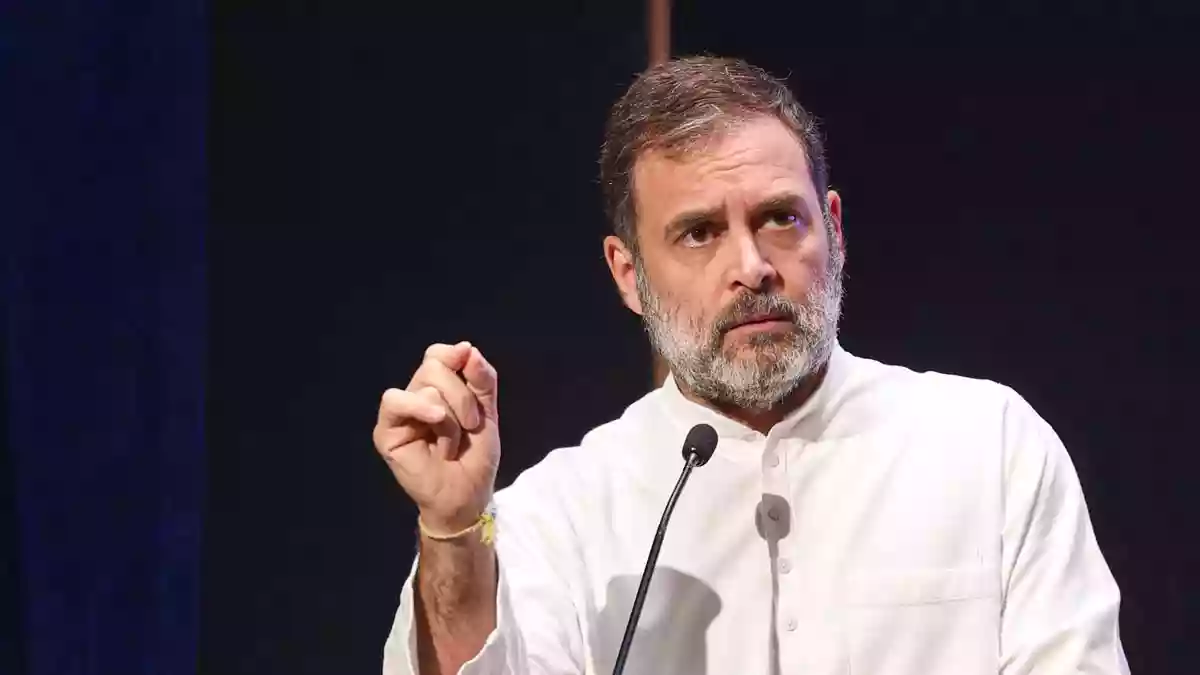
has written to Prime Minister Narendra Modi, formally requesting the government to introduce a bill for the restoration of full statehood to Jammu and Kashmir during the upcoming Monsoon session of Parliament. This renewed push for statehood comes nearly five years after the abrogation of Article 370 and the bifurcation of the erstwhile state into two Union Territories, a decision that fundamentally altered the region's political status.
In his letter, Gandhi underscored that the demand for statehood is "both legitimate and firmly grounded in their constitutional and democratic rights," reflecting the long-held aspirations of the people of Jammu and Kashmir. The letter emphasizes the unique historical context of J&K, differentiating it from previous instances where Union Territories were elevated to statehood.
However, sources close to the government indicate that there are currently no plans to introduce such a bill in the upcoming Monsoon session, which is scheduled to commence on July 21. This suggests a potential political standoff, as the government's stance appears to differ from the opposition's strong advocacy for the immediate restoration of statehood.
The background to this demand is rooted in the events of August 2019, when the central government abrogated Article 370, which granted special status to Jammu and Kashmir. Concurrently, the state was bifurcated into two Union Territories: Jammu and Kashmir, and Ladakh, fundamentally reorganizing the administrative landscape of the region.
Gandhi's letter meticulously pointed out the unprecedented nature of this action in independent India. He stated, "For the past five years, the people of J&K have consistently called for the restoration of full statehood... While there have been instances of Union Territories being granted statehood in the past, the case of J&K is without precedent in independent India. This is the first time a full-fledged state has been downgraded to a Union Territory following its bifurcation." This highlights the unique historical context and the perceived democratic setback for the region.


.webp)

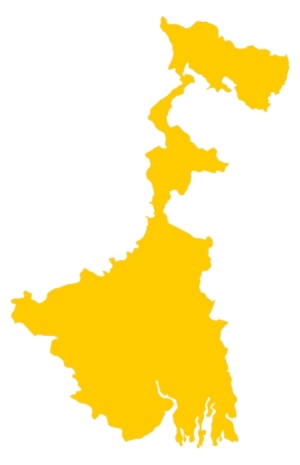 West Bengal
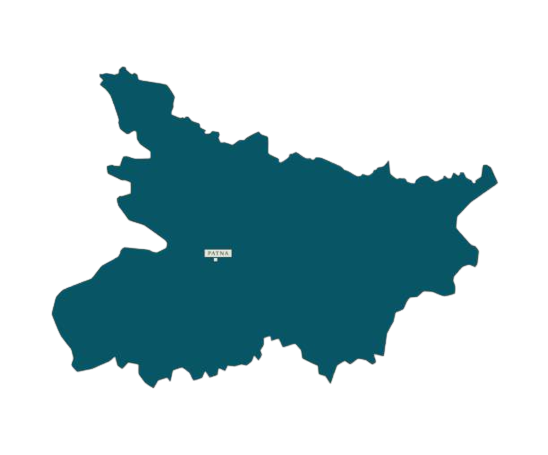 Bihar
Bihar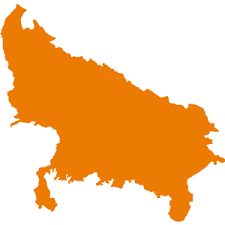 Uttar Pradesh
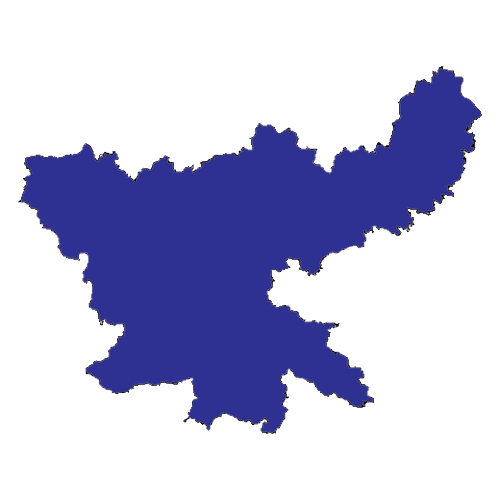 Jharkhand