
Abhishek slaps 10-crore defamation notice on Madan Mitra over 'murderer' jibe
.gif)

Download Mobile App 






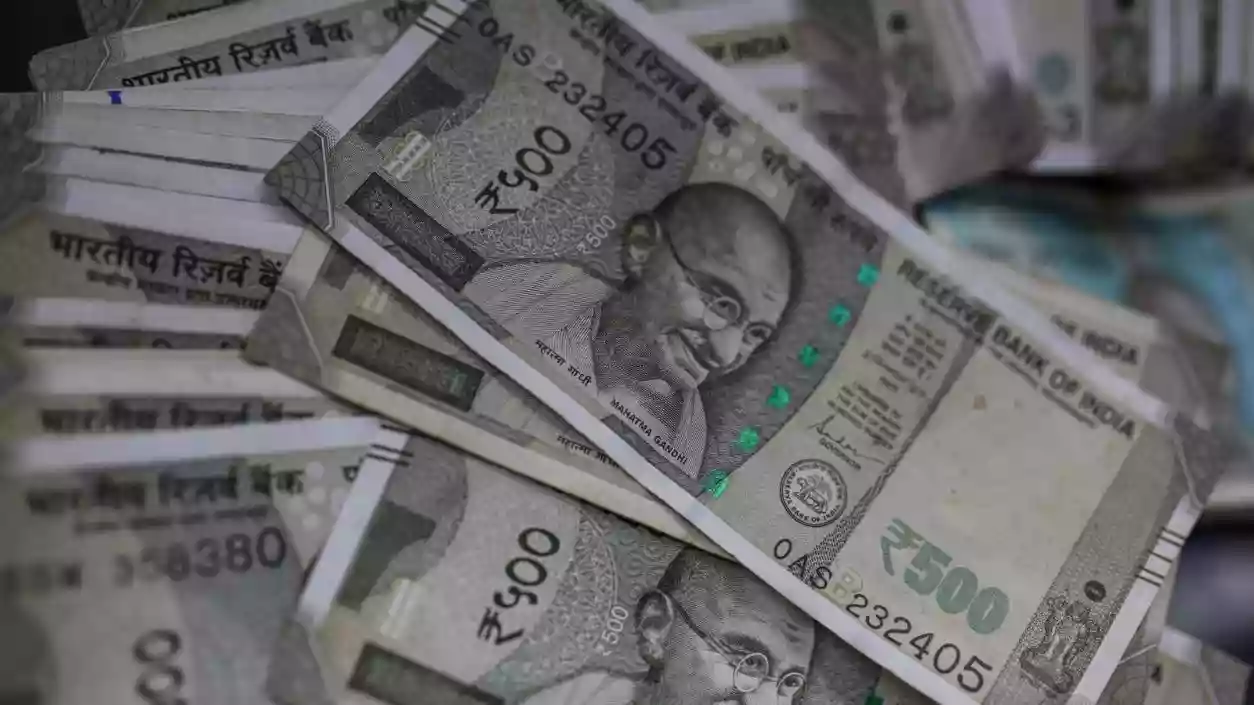
India’s direct tax collections for the financial year 2025-26 up to August 11 declined by 1.87% to ₹7,98,822 crore compared to ₹8,14,048 crore during the same period last year. The reduction is attributed to higher refunds issued and lower collections from individual taxpayers, according to official government data.
Refunds to taxpayers increased nearly 10% year-on-year, rising to ₹1,34,948 crore in FY26 from ₹1,22,895 crore in FY25. Refunds to corporate taxpayers surged by 21.24%, reaching ₹1,03,863 crore compared to ₹85,664 crore in the previous year. In contrast, refunds to non-corporate taxpayers, which include individuals, decreased by 16.5% to ₹31,081 crore from ₹37,213 crore.
After accounting for refunds, net direct tax collections fell by 3.95% to ₹6,63,874 crore from ₹6,91,153 crore in the corresponding period last year. Gross and net collections from non-corporate taxpayers also declined, with gross non-corporate tax revenue falling 8.14% to ₹4,43,355 crore and net revenue declining 7.45% to ₹4,12,274 crore. This category includes individual income tax as well as taxes paid by Hindu Undivided Families (HUFs), firms, and local authorities.
Corporate tax collections showed an upward trend in FY26. Gross corporate tax revenue increased by 8.02% to ₹3,32,822 crore from ₹3,08,120 crore in FY25. After refunds, net corporate tax revenue recorded a 3% growth, reaching ₹2,28,959 crore. The rise in corporate tax revenue contrasts with the decline seen in non-corporate tax receipts.
The data highlights the differences in tax collection trends between corporate and individual taxpayers in the current financial year, with corporate segments experiencing growth in revenue and refunds, while individual tax collections and refunds have decreased.










 West Bengal
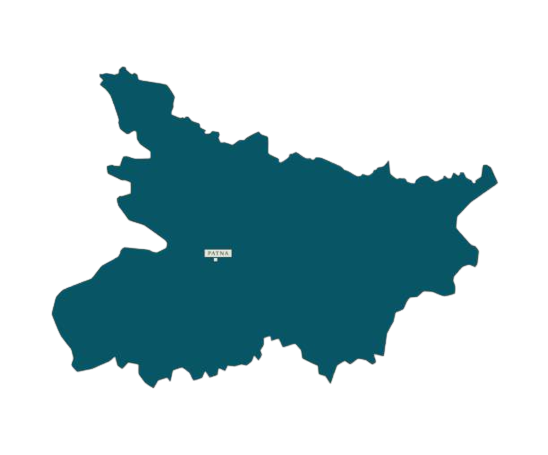 Bihar
Bihar Uttar Pradesh
 Jharkhand