"Smaller parties shouldn't be prioritized": Sudip Bandyopadhyay hits at TMC
.gif)

Download Mobile App 






.webp)
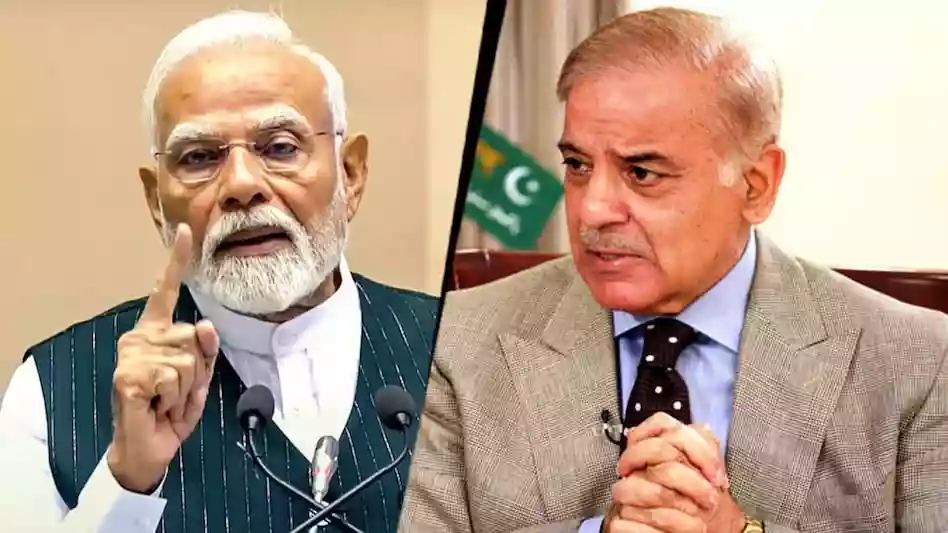
India on Thursday criticised Pakistan over a series of hostile remarks from its political and military leadership, warning that any misadventure would have “painful consequences.” The Ministry of External Affairs (MEA) described these statements as part of a recurring pattern to incite anti-India sentiment. MEA spokesperson Randhir Jaiswal said, “We have seen reports regarding a continuing pattern of reckless, war-mongering, and hateful comments from Pakistani leadership against India… Pakistan would be well-advised to temper its rhetoric, as any misadventure will have painful consequences, as was demonstrated recently.”
The reaction followed Pakistan Prime Minister Shehbaz Sharif’s warning that India would not be allowed to take “even one drop” of water belonging to Pakistan. The statement was made after India placed the 1960 Indus Waters Treaty in abeyance on April 23, a day after the April 22 Pahalgam terror attack that killed 26 people. Former foreign minister Bilawal Bhutto-Zardari also criticised the decision, calling it comparable to an attack on the Indus Valley Civilisation.
Pakistani Army chief Gen Asim Munir further escalated tensions by warning that Pakistan would destroy any dam India builds to block water flow and reportedly naming India’s Jamnagar refinery as a potential target in future hostilities. Munir also stated, “If we think we are going down, we’ll take half the world down with us.” These comments were made during an address to the Pakistani diaspora in Tampa, Florida.
India responded by accusing Pakistan of “nuclear sabre-rattling” and raising concerns over the lack of civilian oversight in Pakistan’s nuclear decision-making. The MEA said such remarks reinforced long-standing concerns about the Pakistani military’s proximity to terrorist organisations. It also expressed regret that these statements were delivered from the territory of a friendly third country.
The exchange of remarks comes against the backdrop of Operation Sindoor, which India launched on May 7 targeting terror infrastructure in Pakistan and Pakistan-occupied Kashmir following the Pahalgam attack. The operation involved drone and missile strikes over four days, ending on May 10 when both countries agreed to cease hostilities.






.webp)
.webp)

 West Bengal
 Bihar
Bihar Uttar Pradesh
 Jharkhand