
Abhishek slaps 10-crore defamation notice on Madan Mitra over 'murderer' jibe
.gif)

Download Mobile App 






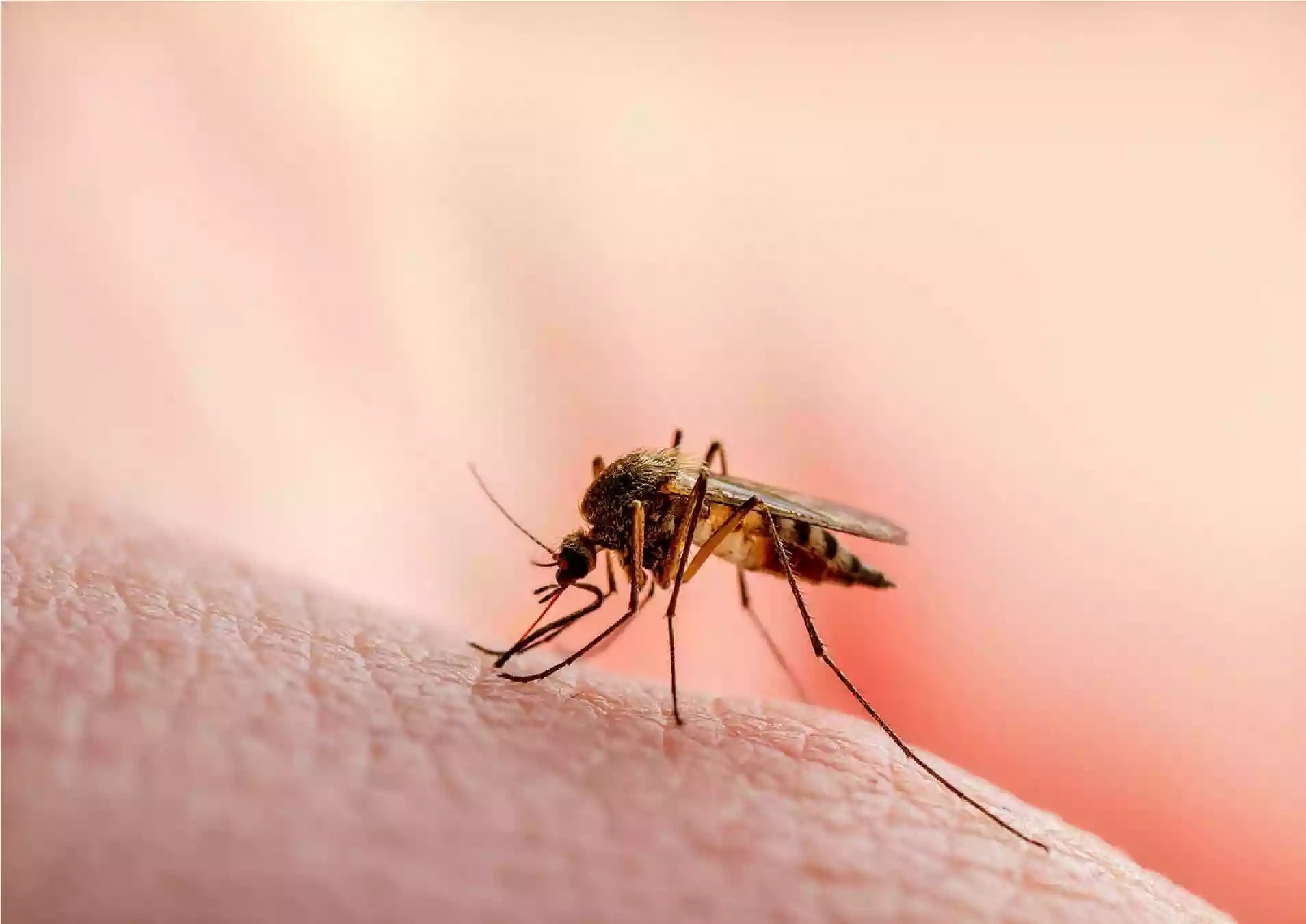
In a sobering reminder of the persistent threat of vector-borne diseases in urban India, 47-year-old Tumpa Das from Phoolbagan breathed her last at the Calcutta School of Tropical Medicine, marking the city's first reported malaria death this year. Admitted with severe symptoms, blood tests confirmed the Plasmodium infection, and she showed signs of improvement under treatment until a sudden deterioration began. Despite the medical team's efforts, her condition worsened rapidly, leading to her untimely demise. This tragedy hits close to home, as her husband Pradeep Das has been battling malaria at the same facility for the past week, though his status remains stable.
Health officials from Swasthya Bhawan emphasize that without a formal death audit, the exact cause can't be pinpointed, but the case has ignited concerns amid a sharp uptick in infections across Kolkata.The incident unfolds against a backdrop of escalating malaria reports in the city. From the start of 2025 to August 10, 1,156 people tested positive, but that number had surged to 2,122—a nearly thousand cases in just one month. This alarming rise has municipal authorities on edge, especially with the monsoon lingering and Durga Puja festivities looming, when water accumulation from immersions could breed more mosquitoes.
Experts attribute the spike primarily to erratic weather patterns that prolong the mosquito season and a lack of awareness among residents, who continue to allow stagnant water to collect in homes and neighborhoods. One health official lamented that despite repeated warnings, many ignore basic prevention, while some citizens point fingers at inadequate surveillance by the Kolkata Municipal Corporation (KMC). Last year, the KMC flagged 69 wards as highly malaria-prone, but this year, focus has narrowed to 11 sensitive ones, particularly in north and central Kolkata where under-construction buildings provide ideal breeding grounds for larvae.
Officials have ordered intensified monitoring in these areas, as recent inspections uncovered stagnant rainwater in at least three unfinished residential projects over the past few weeks.The female Anopheles mosquito, the primary carrier, prefers biting between 10 PM and 4 AM, making bed nets a simple yet effective shield—advice that's often overlooked, according to specialists. KMC's chief entomologist Debashis Biswas explained that larvae flourish in rooftop puddles or sunlit rainwater over chlorinated sources, prompting targeted spraying and surveillance in vulnerable spots. Chemical fogging and larvicide applications are underway regularly, but public cooperation remains key to curbing the spread.
Citizens' frustrations are mounting, with some blaming civic bodies for lax oversight on construction sites and drainage systems, while others admit to complacency in household habits. The recent downpours, exceeding last year's totals already, have exacerbated waterlogging, creating perfect conditions for mosquito proliferation. Hospitals are bracing for more admissions, with calls for early testing and prompt treatment to avert further losses.With autumn festivals approaching, Kolkata stands at a crossroads in its battle against malaria. While infrastructure like advanced labs and rapid tests bolsters the response, experts plead for year-round action: clearing stagnant water, using repellents, and sleeping under nets. Tumpa Das's death, the first in a city that's seen declining trends in prior years, serves as a wake-up call. Only through heightened awareness and proactive measures can the city reclaim its stride towards malaria elimination by 2030, ensuring no more families endure such heartbreak.







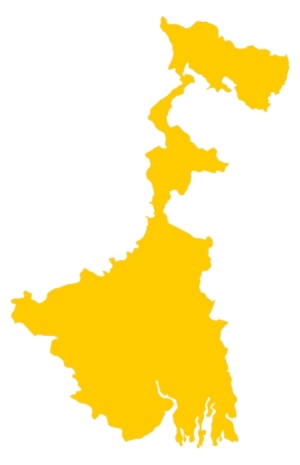 West Bengal
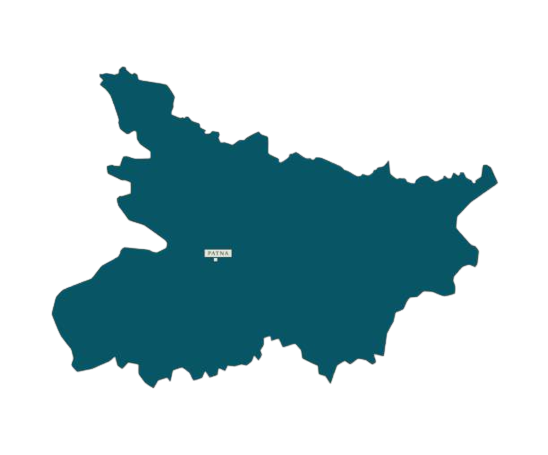 Bihar
Bihar Uttar Pradesh
 Jharkhand