
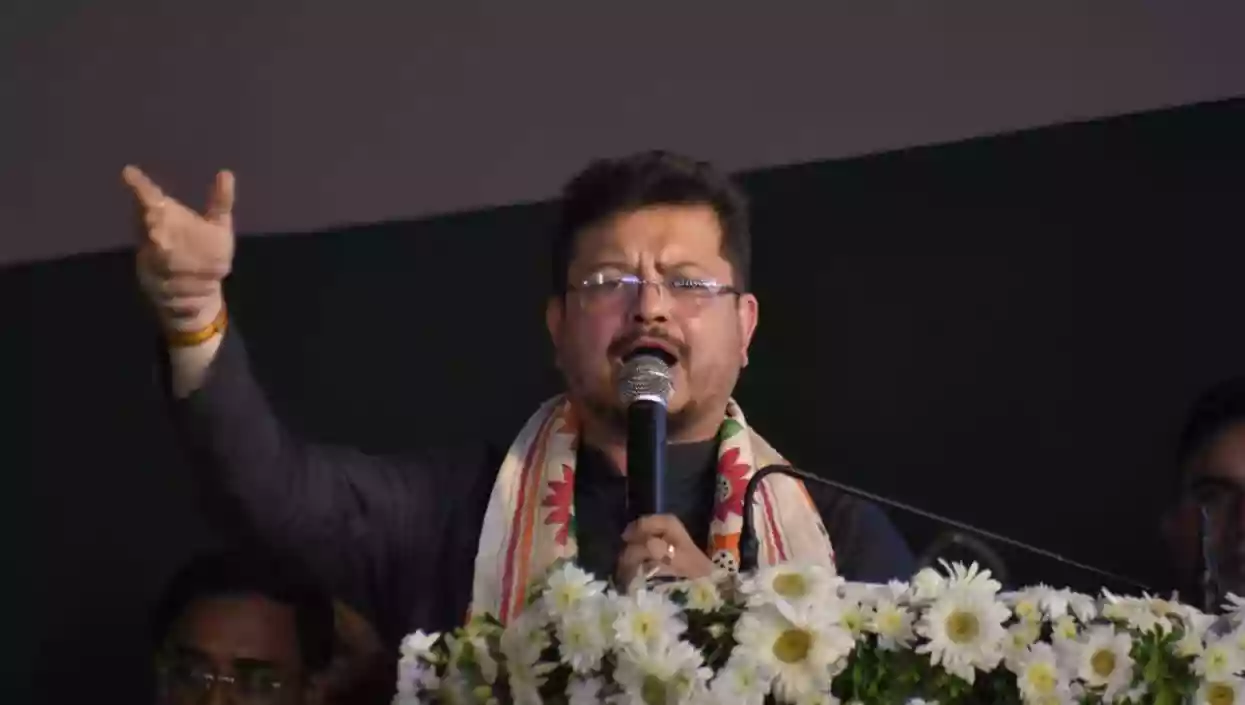
Abhishek slaps 10-crore defamation notice on Madan Mitra over 'murderer' jibe
.gif)

Download Mobile App 






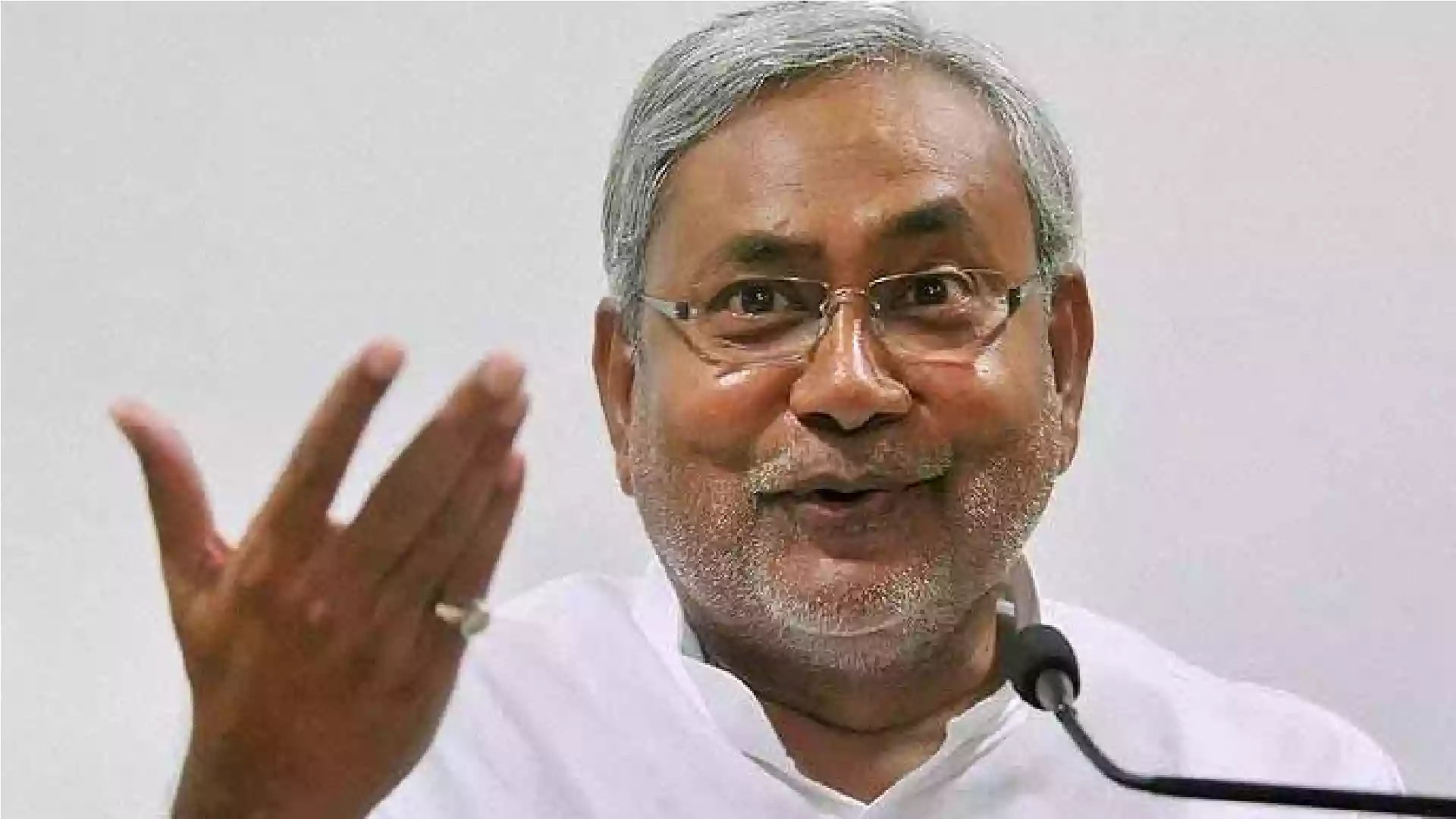
In the bustling heartlands of Bihar, where women's whispers of ambition often drown in the din of daily drudgery, Chief Minister Nitish Kumar's Mukhyamantri Mahila Rojgar Yojana emerges as a beacon of bold empowerment, a flagship scheme injecting Rs10,000 initial grants into the palms of over 75 lakh rural women to spark self-employment ventures—from pickle-making collectives to tailoring hubs—while the recent release of the first tranche yesterday, by Prime Minister Narendra Modi himself has already funneled Rs 7,500 crore into bank accounts, igniting dreams across 38 districts and positioning the program as a pre-election powerhouse for the NDA's 2025 assembly bid. This isn't mere monetary mercy; it's a meticulously crafted ladder out of poverty, targeting one woman per family through Direct Benefit Transfer (DBT) via the Bihar Rural Livelihoods Promotion Society (BRLPS), with eligibility hinging on low-income thresholds—no family income tax filers allowed—and a focus on sustainable gigs like goat rearing or handicraft stalls that promise dignity over dependency.
As beneficiaries in Patna's bylanes and Muzaffarpur's markets check their balances with bated breath, Kumar's latest revelation on the next Rs 10,000 installment date—slated for early December 2025—stirs a mix of jubilation and urgency, ensuring the scheme's momentum doesn't fizzle post-festive glow, but rolls into a second wave that could sustain 1 crore-plus women by fiscal year-end, blending fiscal firepower with feminist fervor in a state where female workforce participation languishes below 20%.Launched amid the September monsoon haze with registrations kicking off on the 7th, the scheme's first leg was a spectacle of solidarity: Modi, dialing in from Delhi, pressed the virtual button alongside Kumar in a Patna event that doubled as a nod to women's pivotal role in Bihar's socio-economic renaissance. Over 75 lakh Jeevika didis—those resilient self-help group warriors—saw the funds hit their Jan Dhan-linked accounts within hours, a seamless DBT symphony orchestrated by the Rural Development Department to sidestep the leaky pipelines of yore. Stories flooded social media: a Saharsa widow eyeing a sewing machine to stitch school uniforms, or a Begusarai homemaker plotting a vermicompost unit from kitchen scraps, each Rs10,000 a seed for sovereignty in a landscape scarred by migration and male-dominated markets.
Yet, glitches abounded—server snarls delaying a few payouts, prompting helpline hotlines to hum with queries—reminding that tech's triumph is tempered by teething troubles in a state where 40% of rural households still grapple with spotty signals.The next installment's announcement, dropped by Kumar during a post-launch review at the CM Secretariat, isn't arbitrary; it's a calculated cadence to nurture nascent enterprises through their fragile infancy. Set for December 5, 2025—coinciding with the state's fiscal planning cycle—the second Rs10,000 infusion will target verified progress, with BRLPS field agents auditing ventures via app-based snapshots and group meetings, ensuring funds fuel follow-through rather than fade into forgotten ledgers. This phased approach, totaling up to Rs 50,000 per beneficiary over five tranches, weaves in training modules on financial literacy and market linkages, transforming passive aid into proactive pathways. For Kumar, a veteran architect of Bihar's turnaround since 2005, it's personal: "Empowering our mothers and sisters isn't charity; it's the cornerstone of a self-reliant Bihar," he declared, his words resonating in villages where women's SHGs have already ballooned to 10 lakh strong, churning out everything from organic soaps to eco-bags for urban boutiques.
Yet, early metrics gleam: 90% uptake in pilot blocks, with 20% of recipients reporting income spikes within weeks, per BRLPS dashboards. As Kumar's team ramps up awareness via ASHA workers and block-level camps, the scheme evolves beyond cash—piloting tie-ups with Amazon Saheli for e-commerce onboarding, turning rural artisans into online mavens.For the women at its core—those unsung engines of family fortitude—the Yojana whispers of what-ifs turned what-nows: a Gaya potter eyeing solar kilns with her grant, or a Purnia fisherwoman scaling nets to cooperative exports. The December date isn't just a deadline; it's a deadline of hope, urging applicants to hustle from September's seed money, with portals like mmry.brlps.in buzzing for status checks and grievance redressals. As Bihar hurtles toward verdicts at the ballot box, this initiative stands as Kumar's gambit for gender justice, a thread in the NDA's tapestry of targeted welfare—from cycle yojanas to cycle tracks—that could pedal the state from BIMARU backwater to beacon.In the end, as Diwali diyas flicker and poll drums beat, the Mukhyamantri Mahila Rojgar Yojana transcends tallies, etching empowerment into everyday epics. December's drop will test its tenacity, but for now, it's a ripple of rupees rewriting rural narratives—one account alert at a time. In Nitish's Bihar, where progress has long been a male monologue, these women are seizing the script, proving that true development dawns when half the population holds the pen.




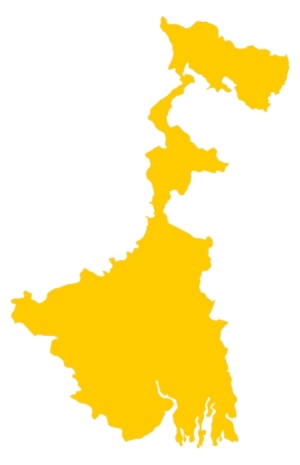 West Bengal
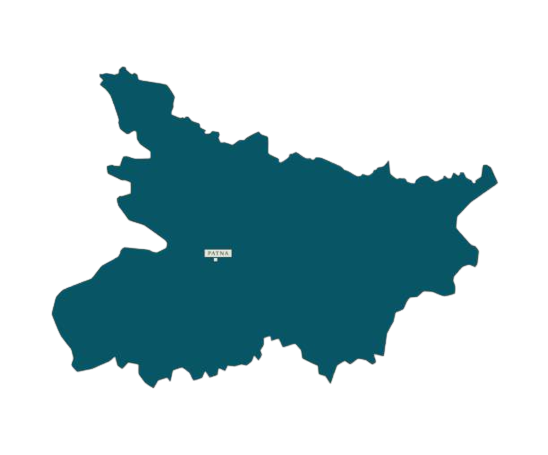 Bihar
Bihar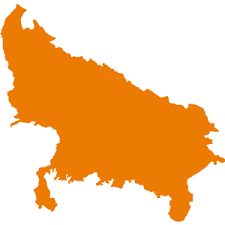 Uttar Pradesh
 Jharkhand