.gif)

Download Mobile App 







Today afternoon, Howrah witnesses back to back two fire incidents. Firstly, in the industrial heartbeat of Howrah's Domjur, where the whir of machines often drowns out the Hooghly's distant murmur, a sudden midday blaze tore through a thermocol factory in Rajapur Dakshindari today, around 12:30 PM, transforming a routine shift into a frantic dance with disaster as flames licked at foam stacks and sparks showered like malevolent confetti. The factory, a modest setup churning out lightweight packaging for Kolkata's bustling markets, saw fire erupt amid active operations—likely from a short circuit in the molding section, though probes are underway—engulfing vast piles of highly flammable polystyrene in seconds and sending acrid black smoke billowing skyward, visible from neighboring villages. Workers bolted from the premises with mere seconds to spare, their shouts mingling with the roar of the inferno, but fortune smiled: No injuries reported, a small mercy in a sector prone to such tinderbox tragedies. A single fire engine from the Howrah Fire Station raced to the scene within 10 minutes, battling the blaze with hoses and foam suppressants for a grueling 45 minutes before declaring it under control, averting a potential chain reaction to adjacent sheds. As cooling operations wrapped by early afternoon, this incident joins a grim ledger of industrial fires in the district, spotlighting the urgent need for updated sprinklers and drills in Bengal's small-scale units, where economic hustle often outpaces safety protocols. For Rajapur's tight-knit labor families, it was a heart-stopping reminder that behind every foam cup lies a fragile line between livelihood and loss.The factory—a family-run venture employing locals from Dakshindari's narrow lanes—hums with the scent of heated plastic on ordinary days, molding sheets for everything from Puja pandal decor to fish crates at the nearby docks.
Eyewitnesses from the roadside tea stall described the escalation: Flames leaping very high, devouring stacked thermocol bales like dry tinder, while the structure's corrugated walls buckled under the heat. In Domjur's industrial cluster, such sites skirt the river's edge, their proximity a double-edged sword—easy water access for cooling, but a risk of runoff pollution if chemicals spill. This blaze, contained swiftly thanks to the responders' grit, spared the worst, but whispers of "what if" lingered, echoing past infernos that claimed lives and livelihoods .Alerted by a worker's urgent dial to the fire control room, the Howrah brigade sprang into textbook efficiency: Fire engine sirens wailing through traffic-clogged Andul Road, arrived with a crew of eight, hoses uncoiling like serpents as they pierced the smoke veil. "Thermocol burns hot and fast—temperatures hitting 500 degrees—but we had the wind on our side," noted Station Officer whose team deployed two hydrants and a foam lance to smother the core blaze, water jets arcing in synchronized fury.
For 45 nail-biting minutes, the air thrummed with the hiss of steam and crackle of dying embers, locals forming a human cordon to keep gawkers at bay while police from Domjur PS sealed the perimeter with yellow tape. No explosions rocked the site, a boon given thermocol's volatile vapors, and by 1:15 PM, the all-clear sounded, leaving charred beams and melted machinery as battle scars. In a district logging over more than 50 industrial fires annually, this rapid dousing—faster than the average two-hour slog—highlights drills honed post-2023's chemical depot blaze, yet underscores gaps in real-time alarms for solo-operator units. As the smoke cleared, the human toll emerged unscathed but shaken. Preliminary scans by fire forensics, including thermal imaging for hotspots, ruled out sabotage, leaning toward electrical faults in aging wiring—a common culprit in Howrah's 500-plus small factories, where cost-cutting bites deep.
Domjur police logged the incident under precautionary sections, interviewing staff for timelines while environmental teams eyed the runoff: Melted thermocol's styrene residue, toxic if it seeps into the Dakshindari canal feeding village ponds. Owners, a local entrepreneur duo, pledged compensation and temporary shifts elsewhere, but for laborers, it's salt in the wound—lost wages in a lean post-Puja month.The ripple hit Rajapur like a aftershock, with Dakshindari's lanes—flanked by similar sheds and modest homes—buzzing by tea time. Neighbors, many kin to the workers, ferried water bottles and curd rice to the site, their relief laced with frustration over lax inspections.
Another fire breaks out in plastic bags kept along NH-16 in Domjur's Pakuria area. Three fire engines rushed to the spot after receiving the news. Firefighters tried to bring the fire under control with a warlike approach. The initial guess of the fire department is that the incident may have occurred due to a chemical substances
West Bengal's industrial fires spiked 15% last year, per state data, often in thermocol hubs due to the material's ferocity—burning six times hotter than wood. For Domjur's resilient folk, this blaze is a dodged bullet. Owners vow a relaunch by Diwali, rewiring and retrofitting, while workers eye the horizon—grateful, guarded, grinding on. In Howrah's forge of fortunes, where sweat meets spark, today's containment is tomorrow's lesson: Safety isn't an add-on; it's the spark that endures.




.webp)




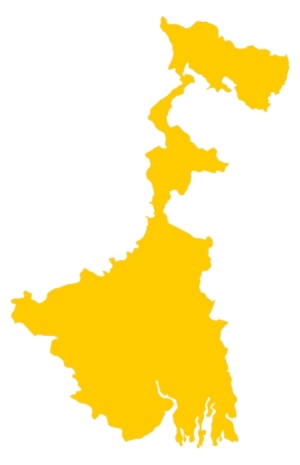 West Bengal
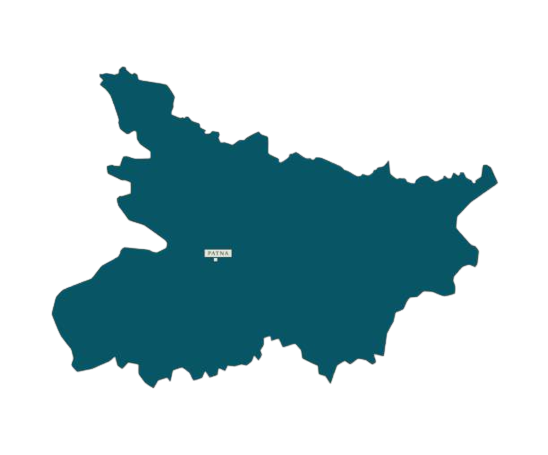 Bihar
Bihar Uttar Pradesh
 Jharkhand