
Abhishek slaps 10-crore defamation notice on Madan Mitra over 'murderer' jibe
.gif)

Download Mobile App 






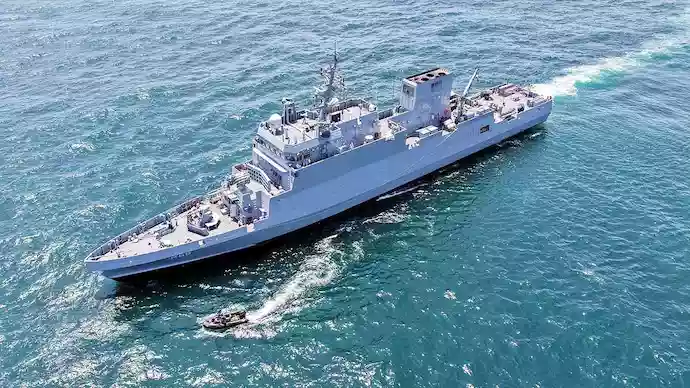
The Indian Navy significantly bolstered its coastal defence capabilities and reaffirmed the nation's push for self-reliance in military manufacturing with the commissioning of INS Androth on Monday. The vessel, officially the second Anti-Submarine Warfare Shallow Water Craft (ASW SWC), was formally inducted into the fleet during a solemn ceremony held at the Naval Dockyard in Visakhapatnam. Presiding over the event was Vice Admiral Rajesh Pendharkar, the Flag Officer Commanding-in-Chief of the Eastern Naval Command (ENC), highlighting the strategic importance of the new vessel to the Navy's operational readiness in the eastern theatre.
INS Androth is a crucial component of a series of shallow water warships designed to operate effectively in coastal regions and maritime areas that are vital to India's security interests. Built by a Kolkata-based shipbuilding firm, the vessel is engineered specifically to enhance the Navy's Anti-Submarine Warfare capabilities in shallow water environments, where enemy submarines often seek cover or pose a threat to littoral assets. Its induction is a clear indicator of India's commitment to modernizing its fleet with vessels tailored for specific operational challenges.
A key highlight of the INS Androth is its staggering level of indigenization, aligning perfectly with the national 'Aatmanirbhar Bharat' mission—the push for self-reliant defense manufacturing. According to the Navy, over 80 per cent of the vessel's components were sourced from within India, demonstrating not only the nation's expanding shipbuilding capacity but also the technical maturity of the domestic defence industry to produce highly sophisticated naval platforms.
The design and construction of the vessel mark a substantial technological stride for the country's maritime engineering sector. Shallow Water Crafts like Androth are equipped with specialized sensors and armament necessary for detecting, tracking, and engaging enemy submarines in confined and challenging shallow water settings. Their primary role will be coastal surveillance, hunting for lurking submarines, and providing localized protection to larger naval assets and ports.
The commissioning of Androth is part of a larger plan to replace the Navy's aging Abhay-class ASW Corvettes with these modern, highly capable indigenous platforms. The shift signifies a strategic move towards a younger, more technologically advanced fleet that can effectively dominate its operating environment while promoting the domestic military-industrial complex. This approach ensures both operational superiority and economic benefits by fostering local employment and expertise.
The ceremony in Visakhapatnam, attended by senior naval officers and representatives from the construction shipyard, concluded with the ceremonial hoisting of the Naval Ensign, marking the vessel’s formal transition from the builder to an operational warship of the Indian Navy. The INS Androth is named after a major island in the Lakshadweep archipelago, underscoring the Navy's dedication to protecting the nation's far-flung island territories and the surrounding exclusive economic zones.










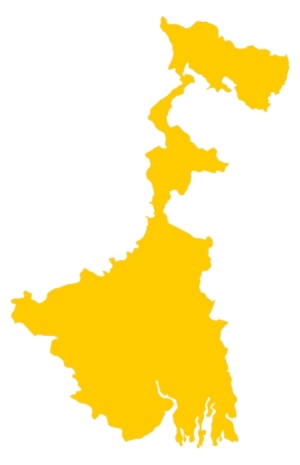 West Bengal
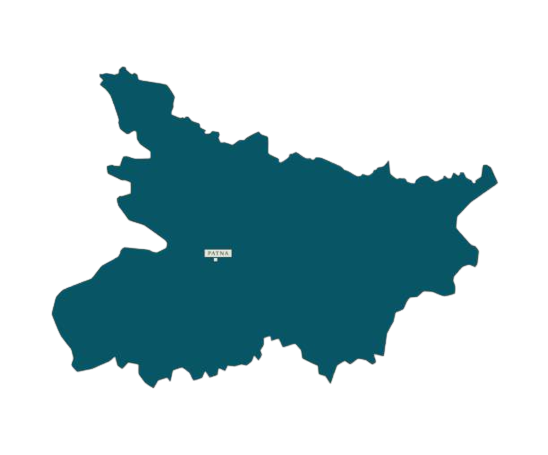 Bihar
Bihar Uttar Pradesh
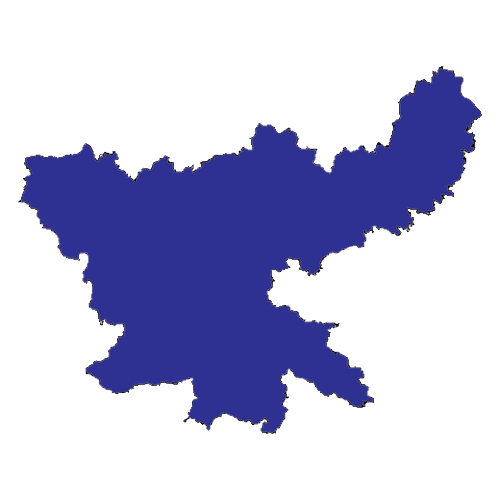 Jharkhand