
SPAIN wins FIFA World Cup 2026, beat Argentina 1-0 with goal in extra time
.gif)

Download Mobile App 







In a fiery escalation along one of the world's most volatile frontiers, Taliban-led Afghan forces unleashes a ferocious counter attack thoughout night, claiming the lives of 15 Pakistani soldiers and capturing three military outposts in Afghanisthan's Helmand province— a direct riposte to Pakistani airstrikes that pounded Afghan soil in Kabul and Paktika. Mawlawi Mohammad Qasim Riaz, the Helmand provincial government's spokesperson, confirmed the toll in a media briefing, detailing how Afghan troops stormed the positions near the disputed Durand Line, seizing weapons and ammunition in a blitz that spanned multiple border hotspots. This isn't just a skirmish; it's a stark reminder of the simmering grudge between nuclear-armed neighbors, where porous frontiers in provinces like Kandahar, Zabul, Khost, Nangarhar, and Kunar have long served as tinderboxes for cross-border vendettas, fueled by accusations of harboring militants and territorial encroachments that keep the region on a razor's edge.
The spark ignited with Pakistan's airstrikes—unilateral blasts targeting alleged militant hideouts deep in Afghan territory, a move Islamabad defends as self-preservation against groups like the Tehrik-i-Taliban Pakistan (TTP) that it claims find safe haven across the line. But Kabul sees red, branding the incursions as sovereignty-shredding aggression, prompting the Taliban's swift and symmetric payback that caught Pakistani forces off-guard in the moonlit dunes of Helmand province. Eyewitness accounts from the ground paint a chaotic scene: gunfire echoing through the night, outposts falling like dominoes, and Afghan fighters hauling away crates of arms as symbols of defiance. With the Durand Line—serving as the reluctant referee, these clashes expose the fragility of peace talks that have flickered and faded since the Taliban's 2021 takeover, leaving civilians in the crossfire and diplomats scrambling.
Afghan officials, meanwhile, vow unyielding defense of their turf, with Helmand provincial government's spokesperson Riaz's words carrying the weight of a broader Taliban narrative that frames this as righteous pushback against an overreaching foe. In a neighborhood where alliances shift like desert sands—these outpost grabs and body counts could unravel fragile ceasefires, drawing in global powers and risking a wider inferno. For now, the fallen soldiers on both sides serve as grim footnotes to a conflict that refuses to die, underscoring how old wounds and new grievances keep this frontier forever fraught.





.webp)


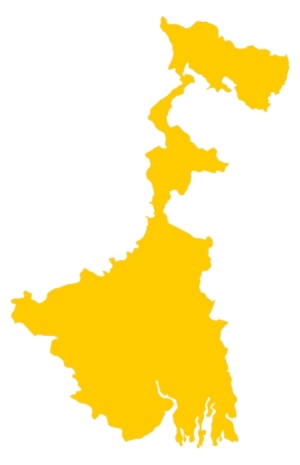 West Bengal
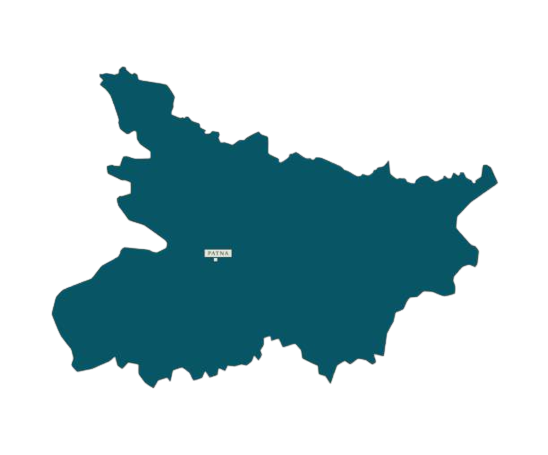 Bihar
Bihar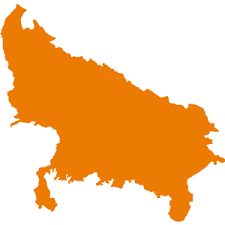 Uttar Pradesh
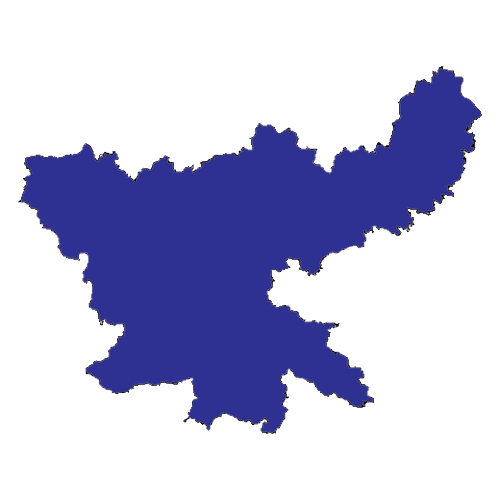 Jharkhand