HC refuses to order Sonam Wangchuk's discharge, says Govt intervention 'not arbitrary'
.gif)

Download Mobile App 






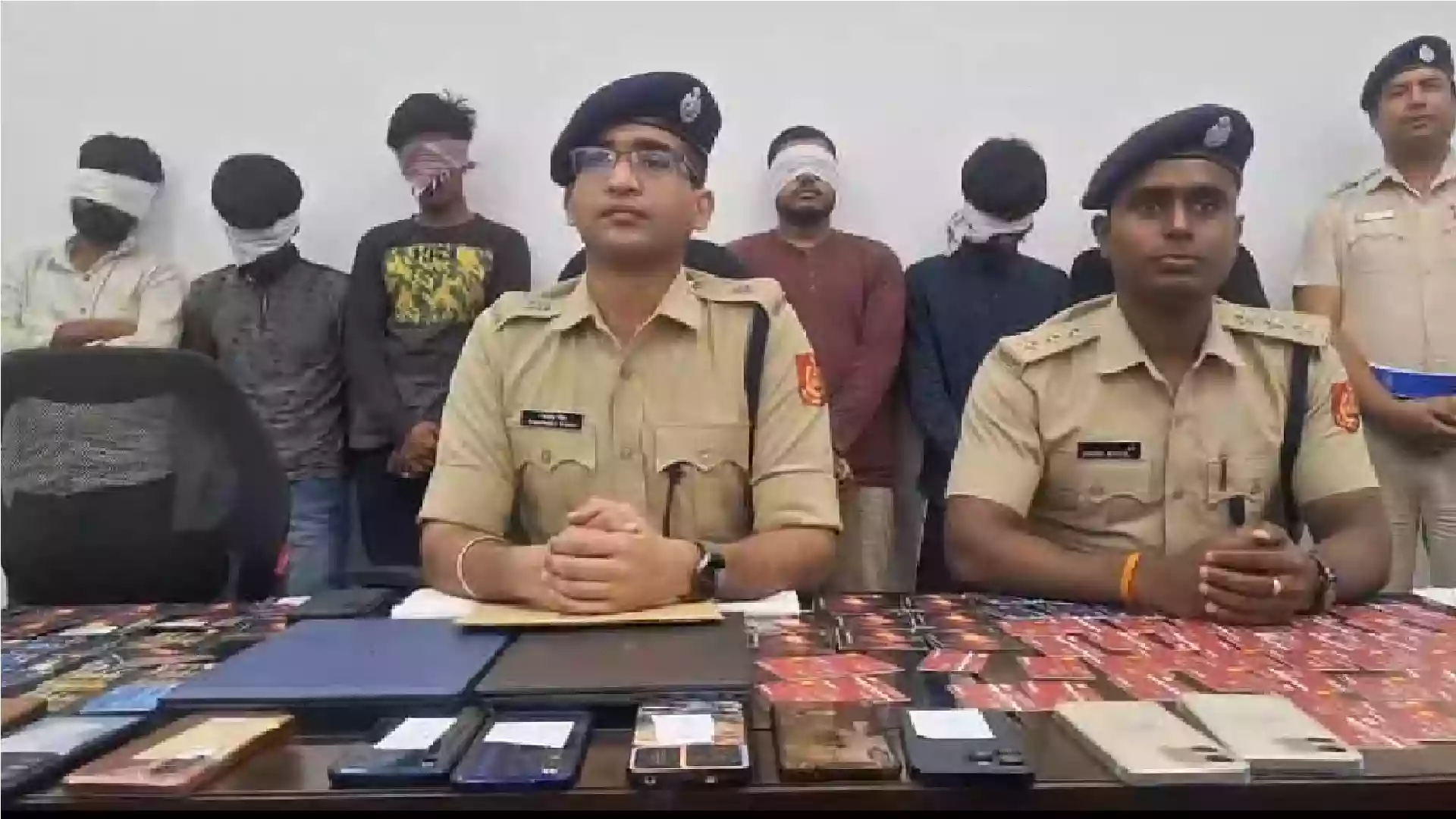
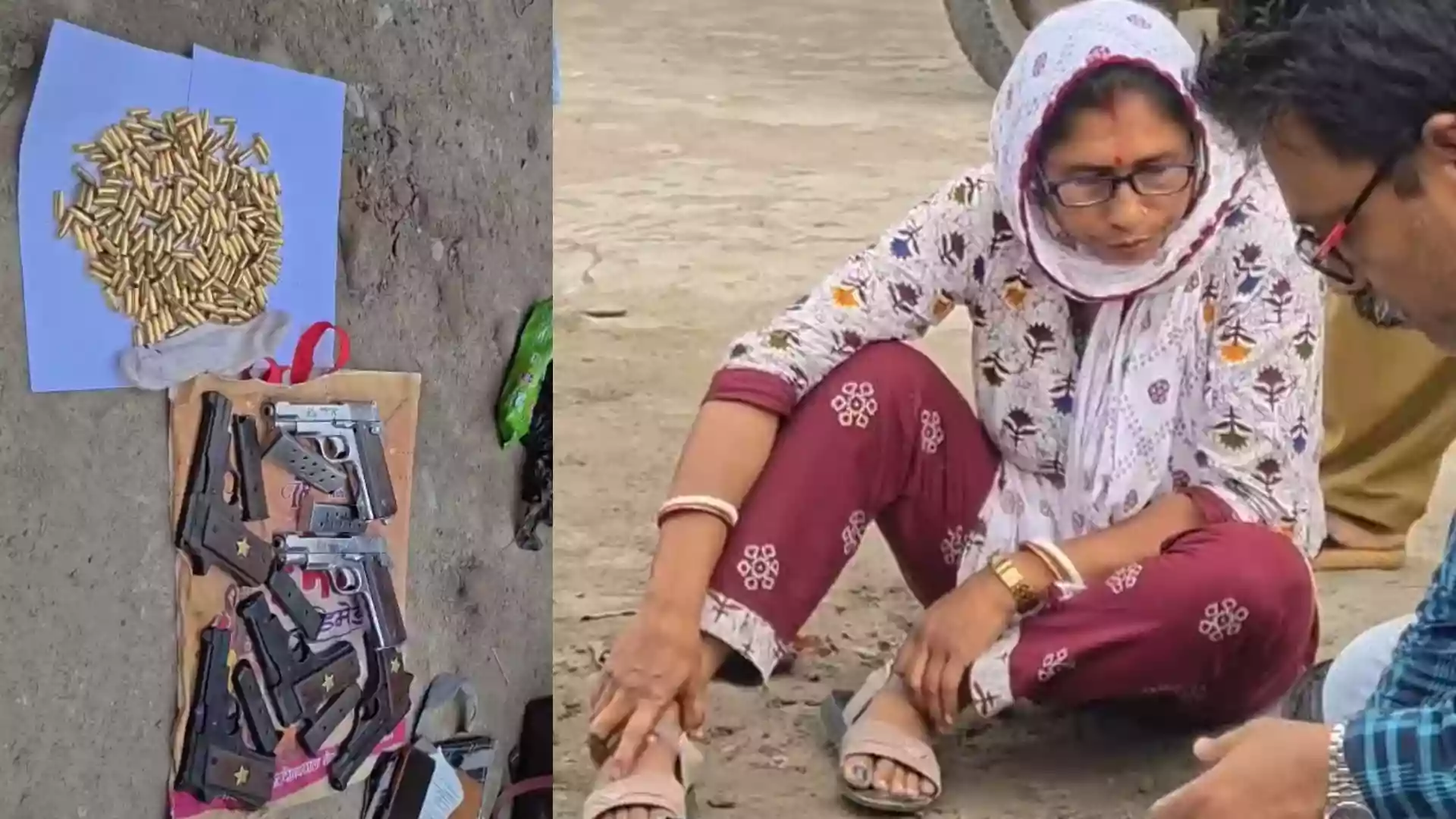
In a pulse-pounding crackdown, the Murshidabad police stormed in the Munai Kandra area under Barowa police station, nabbing seven cyber fraudsters including four Bangladeshi nationals hailing from Dhaka—in a brazen operation tied to a sprawling cyber fraud syndicate with transborder tentacles. The haul was staggering: 121 ATM cards from assorted banks, 46 SIM cards, two laptops, and 13 mobile phones with innumerable documents, all allegedly weaponized to siphon funds from unsuspecting victims across India.
Thus bust uncoveried not just theft, but a potential pipeline smuggling ill-gotten gains back to Bangladesh.The accused, a mix of three Murshidabad locals and the other four from Dhaka whose homes extend across the porous India-Bangladesh, had turned a quiet neighborhood into a nerve center for high-tech heists, using bogus SIMs in dummy names to activate cards and execute ghost withdrawals. The raids unfolded in midnight, with cops seized gadgets that could unlock a treasure trove of illegal transaction trails. For the three locals, it's a fall from everyday anonymity into the glare of interrogation lamps, while the Bangladeshis face deportation fears amid questions of how they slipped across—perhaps via the very smuggling lore that cloaks the Ganges' banks across the two countries.
This cross-border caper spotlights Bengal's vulnerability at the confluence of rivers and rogue networks, where cyber sleuths grapple with evolving scams. Investigators are now laser-focused on decoding the all the electronics gadgets' logs for victim profiles and tracing any remittances to Dhaka, vowing to dismantle the syndicate. Yet beyond the cuffs, it's a human story of eroded trust. In Murshidabad, where history whispers of divided lands, these arrests aren't just victories—they're a defiant stand against the invisible thieves who know no borders, reminding us that in the fight for financial sovereignty, vigilance is the ultimate currency.









 West Bengal
 Bihar
Bihar Uttar Pradesh
 Jharkhand