
Police removes Rahul, Priyanka, other Congress leaders from dharna site near PM Modi's residence
.gif)

Download Mobile App 







Months after the US imposed steep tariffs on Indian imports, Mexico has approved new levies of up to 50% on select products imported from several Asian countries, including India and China. These new tariffs are scheduled to come into effect on January 1, 2026. The move, approved by the Mexican Senate, is primarily aimed at protecting the domestic industry and local producers against a flood of imports from nations with which Mexico does not have a formal Free Trade Agreement (FTA).
The new duties cover a wide and diverse range of goods, including industrial inputs and consumer items. Key product categories affected include auto parts, light vehicles, clothing, plastics, steel, textiles, furniture, footwear, and cosmetics. In addition to India, the measures will also significantly impact major Asian exporting nations such as South Korea, Thailand, Indonesia, and especially China, which had imported goods worth $130 billion from Mexico in 2024. The tariffs are expected to generate $3.76 billion (approximately ₹33,910 crore) in additional revenue for Mexico next year.
For India, the new Mexican tariffs present a major challenge, particularly for the automotive sector. The duties will directly affect an estimated $1 billion worth of shipments from major Indian car exporters like Maruti Suzuki, Hyundai, Volkswagen, and Nissan. With India having a significant trade surplus with Mexico, industry groups have reportedly urged the Indian Commerce Ministry to initiate talks for a Free Trade Agreement (FTA) or a Preferential Trade Agreement (PTA) to safeguard the competitiveness of Indian engineering and auto products in the important Mexican market.





.webp)

.webp)


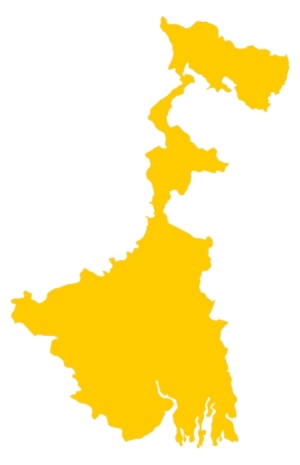 West Bengal
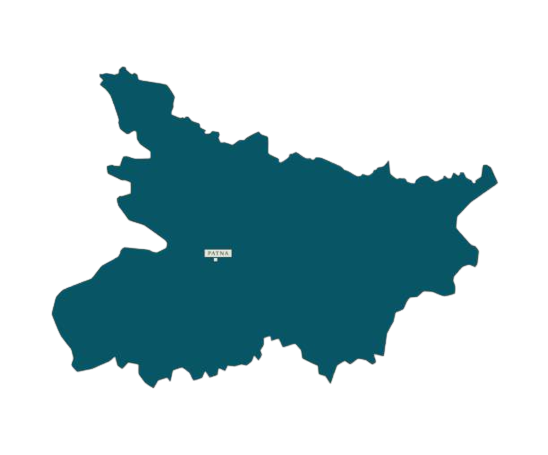 Bihar
Bihar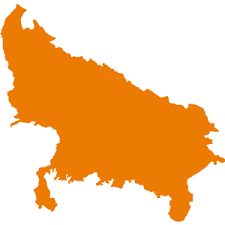 Uttar Pradesh
 Jharkhand