
Abhishek slaps 10-crore defamation notice on Madan Mitra over 'murderer' jibe
.gif)

Download Mobile App 






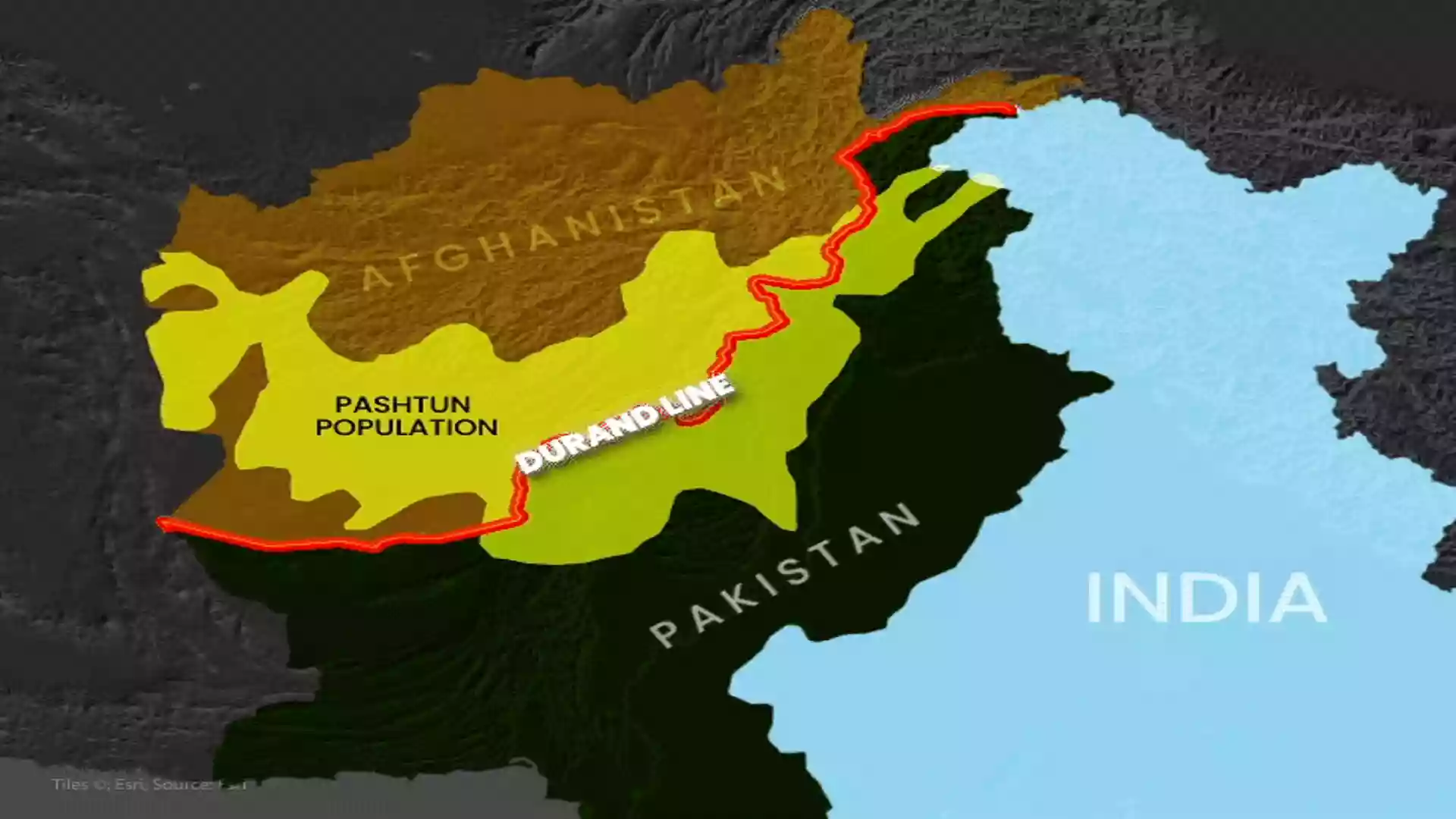
The Council on Foreign Relations (CFR), a prominent US-based think tank, has released its "Conflicts to Watch in 2026" report, raising alarms over the security situation in South Asia. According to the report, there is a "moderate likelihood" of a renewed armed conflict between India and Pakistan in the coming year. Experts surveyed for the report suggest that heightened terrorist activity and ongoing tensions in Indian-administered Kashmir could serve as the primary triggers for military escalation between the two nuclear-armed neighbors.
The report gains significance following the brief but intense "four-day mini-war" in May 2025. This conflict was sparked by India's "Operation Sindoor," launched to dismantle terror infrastructure in Pakistan-Occupied Kashmir (POK) after a deadly attack in Pahalgam killed 22 civilians. Although a ceasefire was eventually brokered, the rhetoric from Pakistani leadership has remained provocative. Furthermore, intelligence inputs indicate that dozens of Pakistani terrorists are currently active in the Jammu region, maintaining a high state of alert for Indian security forces.
Beyond the Indo-Pak border, the CFR also identified another major flashpoint involving Pakistan and Afghanistan. The report warns of a "moderate likelihood" of armed clashes between these two nations due to resurgent cross-border militant attacks. While this potential conflict is expected to have a "low impact" on American strategic interests, it poses a severe threat to regional stability. The friction over the Durand Line and the Taliban's reluctance to curb anti-Pakistan militants continue to exacerbate the situation.
For the United States, a conflict between India and Pakistan is classified as having a "moderate impact" on its national interests. The think tank emphasizes the need for proactive diplomacy to prevent these localized tensions from spiraling into a larger war. With the global geopolitical landscape already strained by conflicts in Ukraine and Gaza, a fresh crisis in South Asia could further destabilize international security and economic supply chains.





.webp)

.webp)

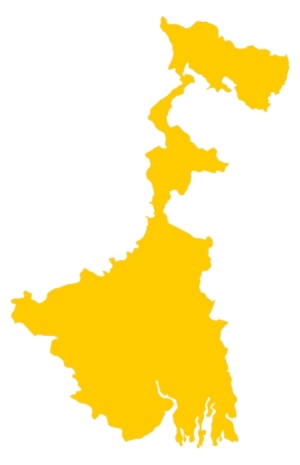 West Bengal
 Bihar
Bihar Uttar Pradesh
 Jharkhand