
Ritabrata Banerjee promises ₹10,000 monthly aid for martyrs' kin if he gets symbol & fund
.gif)

Download Mobile App 






The Ministry of Home Affairs has formally notified the questionnaire for Phase I of the Census of India 2027, marking the start of the houselisting and housing census exercise across the country. This phase will focus on collecting detailed information about buildings, households and basic living conditions before population enumeration begins.
As per the notification issued by the Office of the Registrar General of India, Census Officers will collect data using a structured schedule within their assigned jurisdictions. The questionnaire consists of 33 items covering building and census house numbers, construction materials used for floors, walls and roofs, and the condition and use of houses.
The houselisting exercise will also gather household-level information such as the size of the household, ownership status, number of dwelling rooms and details of the head of the household, including gender and social category. These details are aimed at creating a comprehensive housing and infrastructure database ahead of the population count.
In addition, the questionnaire seeks information on access to basic amenities, including drinking water, electricity, toilets, bathing facilities, kitchens and cooking fuel. Data will also be collected on LPG and PNG connections, waste water outlets and access to communication and transport facilities such as internet, mobile phones, computers, televisions and vehicles. Mobile numbers will be collected strictly for census-related communication.
The government has set April 1 to September 30, 2026, as the window for conducting houselisting operations, with each state and Union Territory carrying out the exercise over a 30-day period within this timeframe. An option for self-enumeration will be available for 15 days immediately before the start of door-to-door enumeration.
Census 2027 will be conducted in two stages, with Phase II covering population enumeration scheduled for February 2027. March 1, 2027, will be the reference date for most of the country, while snow-bound regions will follow an earlier schedule. The government has said the process incorporates learnings from previous censuses, with questionnaires finalised after consultations and field testing.



.webp)
.webp)
.webp)



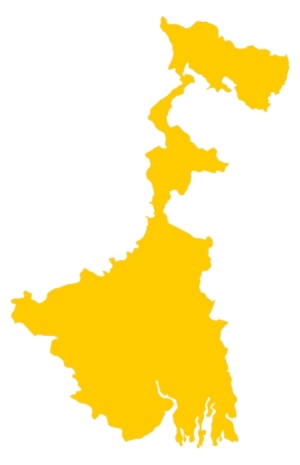 West Bengal
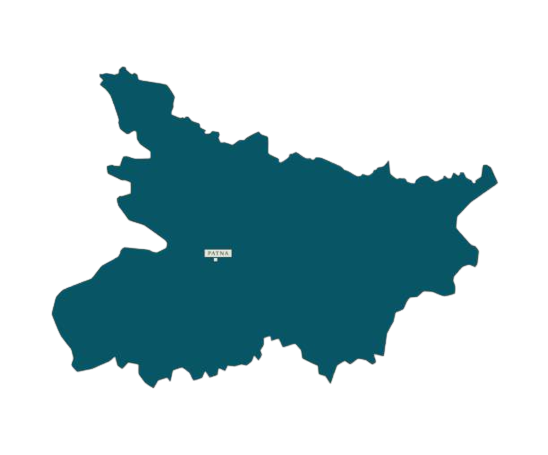 Bihar
Bihar Uttar Pradesh
 Jharkhand