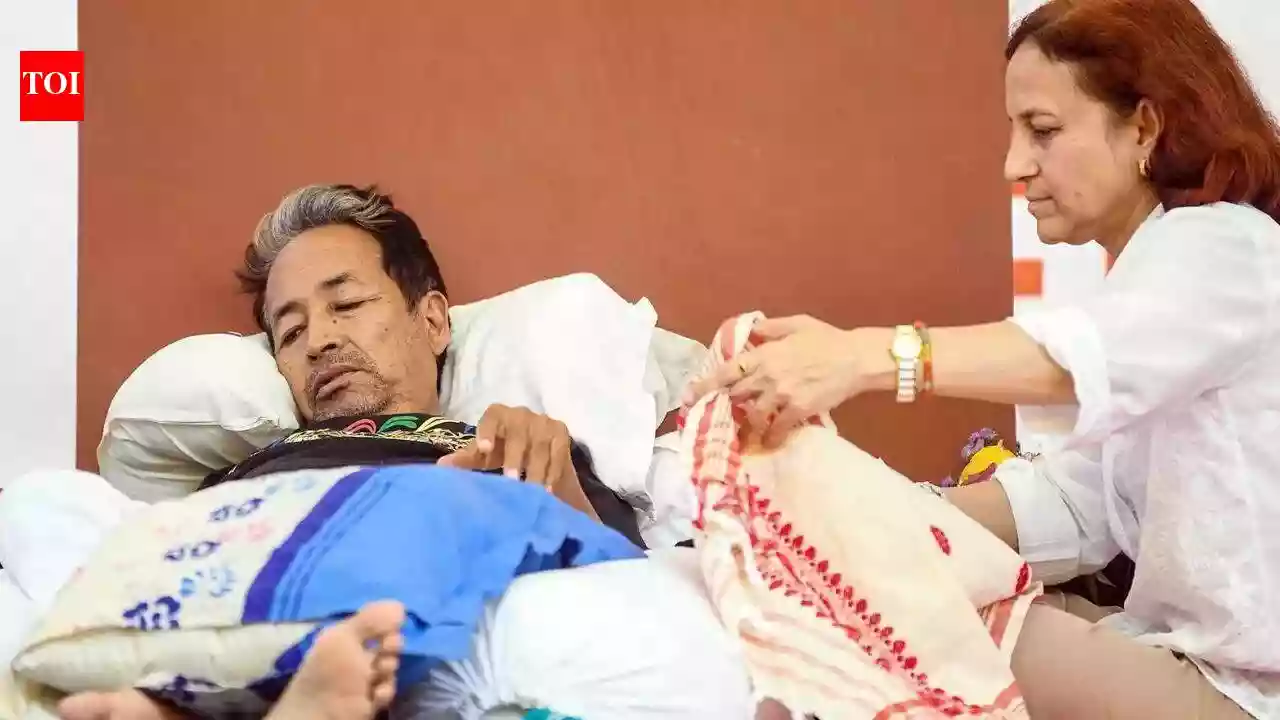
HC refuses to order Sonam Wangchuk's discharge, says Govt intervention 'not arbitrary'
.gif)

Download Mobile App 






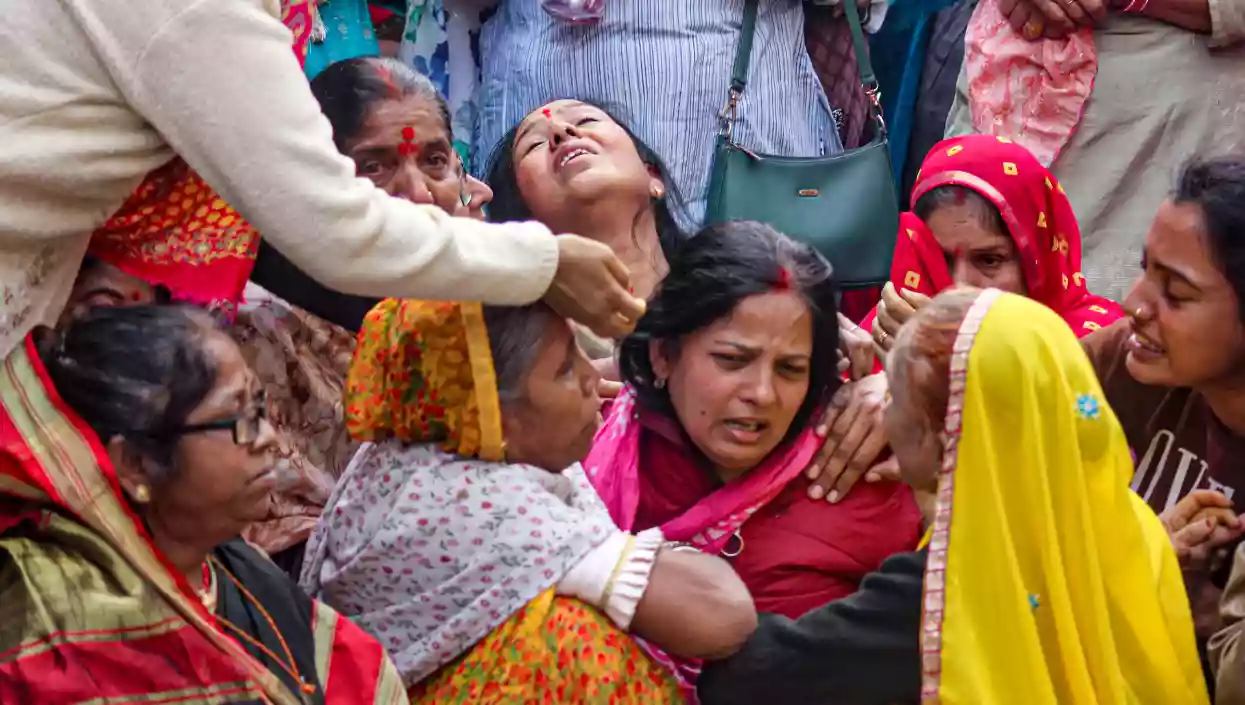
A series of disease outbreaks across four states has raised concern over water safety and infrastructure failures, after multiple deaths and hundreds of illnesses were reported within weeks. In Palwal district of Haryana, authorities declared an emergency in Chayansa village following 15 deaths between January 6 and February 11, at least six linked to liver-related complications including Hepatitis B and jaundice. Screening of nearly 1,500 residents found dozens infected with Hepatitis C and B, though the exact transmission route remains unclear.
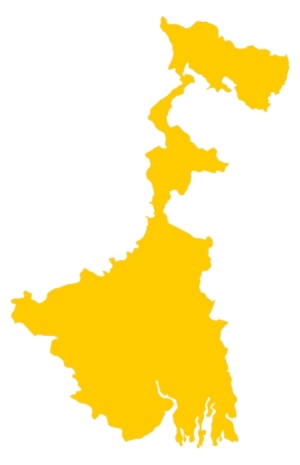
At the same time, over 300 residents in a housing complex in Kolkata, West Bengal fell ill due to a severe diarrhoea outbreak, with residents alleging prolonged complaints about unsafe drinking water. The illness spread across households before authorities intervened and a formal complaint was filed.
Similar concerns emerged in Indore, Madhya Pradesh where contaminated municipal supply was confirmed after sewage leakage entered an old pipeline network, exposing nearly 50,000 residents to bacteria including E. coli and cholera-causing organisms. Around the same period, Gandhinagar in Gujarat reported more than 130 typhoid cases linked to leaking water and sewage lines.
Officials and experts say ageing pipelines, poor coordination in underground infrastructure and delayed civic response are common factors behind the outbreaks. The incidents, occurring within six to eight weeks, have highlighted wider concerns about drinking water safety and public health preparedness across urban and rural India.








 West Bengal
 Bihar
Bihar Uttar Pradesh
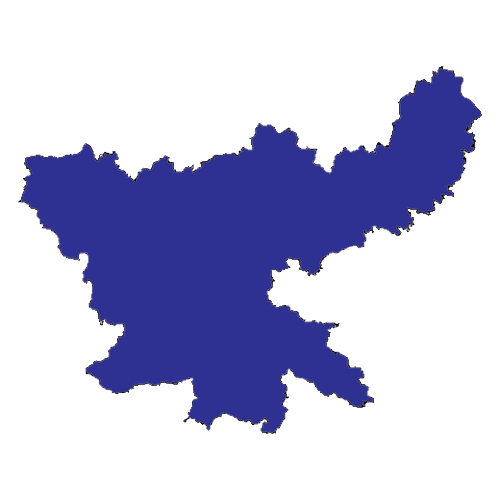 Jharkhand