Jolt to Kalighat-TMC, HC refuses to intervene in 'Account Freeze' case
.gif)

Download Mobile App 






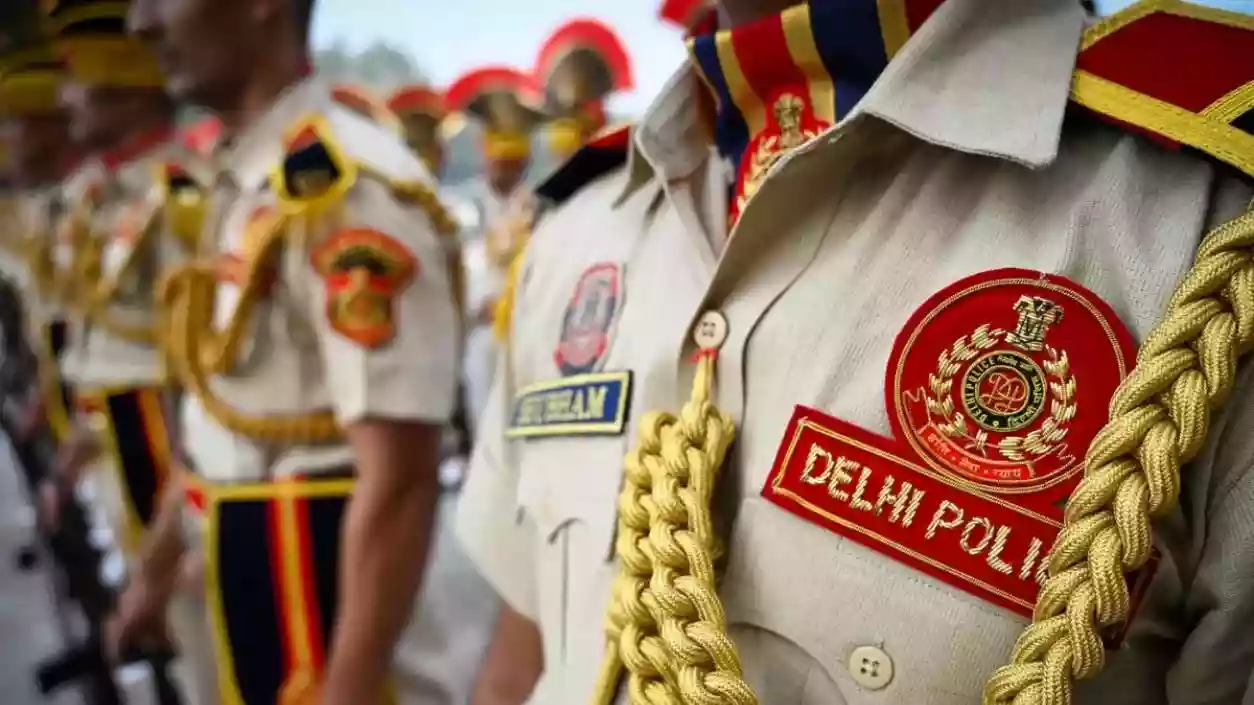
Delhi Police on Saturday told a Delhi court that the shirtless protest by Indian Youth Congress workers inside the India AI Impact Summit at Bharat Mandapam was inspired by what it described as the “Nepal model” of Gen Z-led unrest. Producing four arrested workers before the Patiala House Court, police argued that the act was part of a larger conspiracy influenced by recent political upheavals in Nepal. The court remanded the accused to five days of police custody and rejected their bail pleas.
The four protesters had reportedly entered the summit venue after registering online and scanning QR codes, concealing T-shirts bearing political slogans. Once inside the event hall, they removed their shirts and raised slogans against the Prime Minister. The public prosecutor alleged that “anti-national” slogans were raised and suggested possible involvement of funds from other organisations. The defence counsel dismissed the FIR as “nothing more than a political move.”
The protest triggered sharp political reactions. Youth Congress leaders defended the demonstration as an expression of anger over unemployment and government policies, while BJP leaders termed it an embarrassment to the country at an international platform. The summit, attended by global delegates and technology leaders, became the backdrop for an escalating political confrontation.
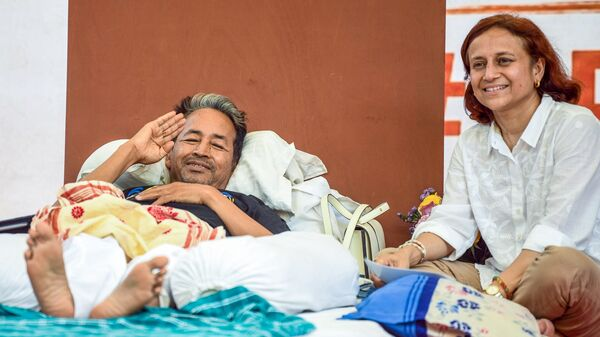
In court, authorities cited the September 2025 protests in Nepal that led to the fall of the government, as well as unrest in Bangladesh, as reference points. Similar parallels have surfaced in other legal proceedings, including the detention of Ladakh activist Sonam Wangchuk under the National Security Act, where government counsel alleged attempts to instigate youth through comparisons with Nepal and Bangladesh.
The AI summit protest has since evolved into a wider debate on dissent, national image and the limits of political expression. Investigators are examining digital footprints and possible coordination behind the act, as the case proceeds under judicial scrutiny with competing narratives of conspiracy and democratic protest.


.webp)



 West Bengal
 Bihar
Bihar Uttar Pradesh
 Jharkhand