
SPAIN wins FIFA World Cup 2026, beat Argentina 1-0 with goal in extra time
.gif)

Download Mobile App 






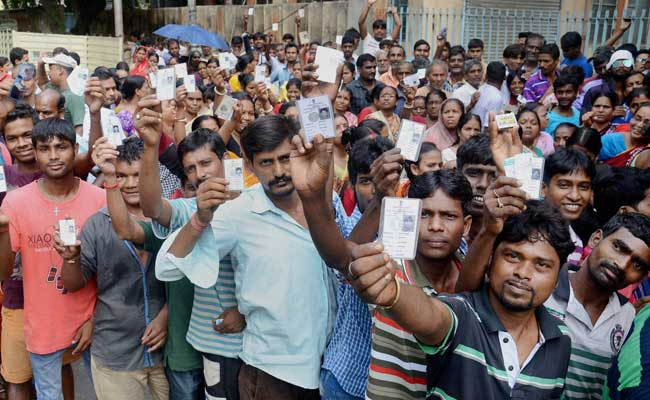
The timeline for the 2026 Assembly elections has been cast into uncertainty following a series of strict directives from the Supreme Court and the sudden postponement of the Election Commission’s (EC) visit. A special EC team, originally slated to arrive on March 1, has deferred its tour, signaling that the election schedule is now heavily dependent on the completion of the Special Intensive Revision (SIR) of voter lists. The Supreme Court expressed serious concern over lakhs of pending claims and objections, emphasizing that a flawless electoral roll is a prerequisite for announcing any polling dates.
In response to the judicial backlog, an unprecedented mobilization of over 250 judicial officers has been ordered. To expedite the process, the leave of these officers has been canceled until March 9. The Chief Justice has even suggested importing judicial help from Odisha and Jharkhand to ensure that every claim is adjudicated in a time-bound and transparent manner. This judicial intervention stems from the need to bridge the "trust deficit" and ensure that no legitimate voter is left out or fraudulent entries remain.
While the final voter list was initially expected by February 28, current indications suggest that only a partial list will be released, with the correction process likely stretching into mid-March. This delay effectively pushes the anticipated early-March election notification toward April. Despite these scheduling hiccups, the Election Commission is ramping up security measures, including the training of 144 central observers who will be deployed from the nomination stage to prevent rigging and ensure a fair contest.








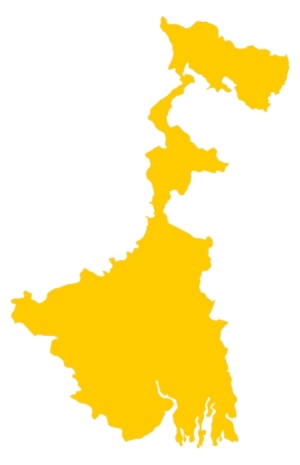 West Bengal
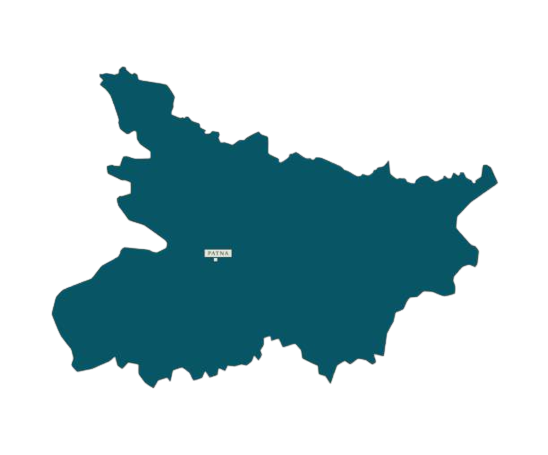 Bihar
Bihar Uttar Pradesh
 Jharkhand