
Ritabrata Banerjee promises ₹10,000 monthly aid for martyrs' kin if he gets symbol & fund
.gif)

Download Mobile App 






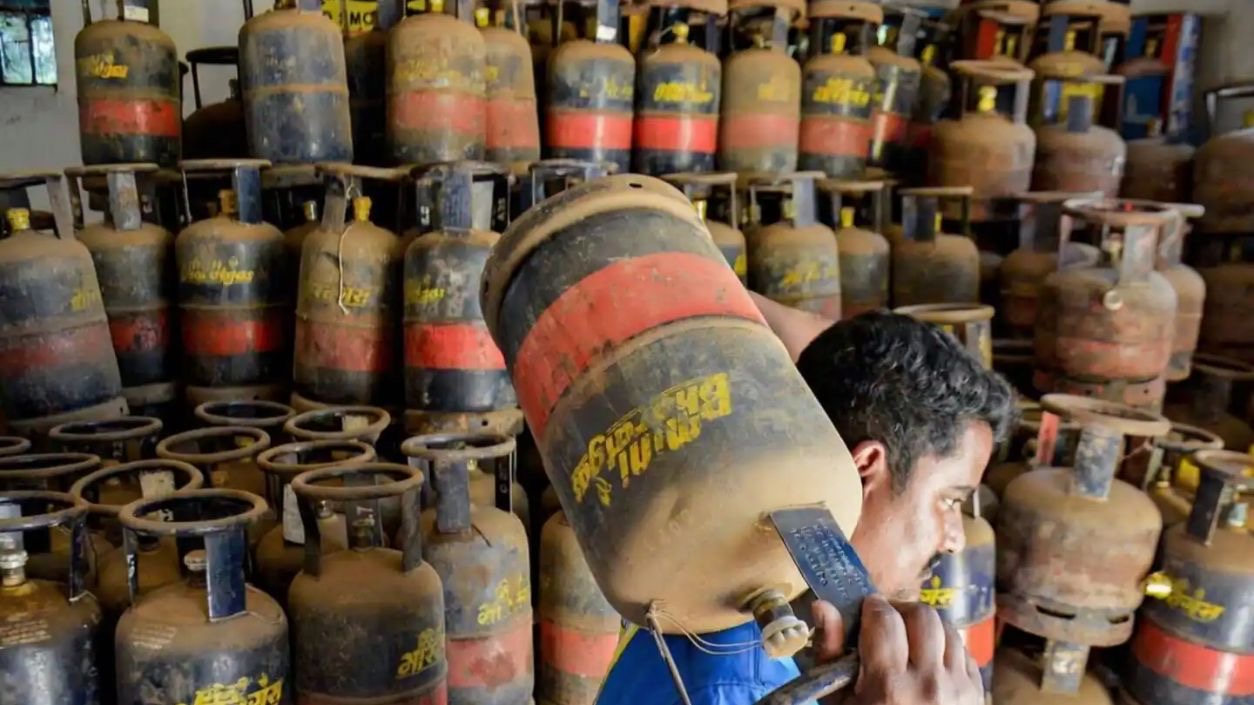
A severe disruption in the supply of commercial LPG has left hotels and restaurants across India struggling to operate, prompting concerns over potential closures. The central government has invoked the Essential Commodities Act, 1955 to control natural gas distribution, prioritizing domestic supply and limiting commercial cylinder deliveries in several states including Maharashtra, Madhya Pradesh, Punjab, Karnataka, Telangana, Andhra Pradesh, Rajasthan, Uttarakhand, and Haryana.
The supply crisis follows delays in shipments from the Middle East due to rising tensions in the region. With most of India’s LPG coming via the Strait of Hormuz, disruptions caused by conflict have affected commercial distribution, even as the government ordered refineries to increase production and allocate extra gas to households.
Hotel and restaurant operators have expressed frustration, noting they are willing to pay the increased cylinder prices—up by ₹115 for commercial cylinders—but are still unable to secure supplies. In cities such as Bengaluru, Chennai, Gurugram, Mumbai, and Pune, eateries have been forced to reduce menu items, shorten hours, or temporarily close, with municipal crematoriums in Pune also affected.
The Ministry of Petroleum has formed a high-level committee to review LPG distribution and ensure critical industries and households are prioritized. Domestic cylinder bookings have been adjusted, allowing the next refill 25 days after previous delivery, and OTP or biometric verification has been introduced to prevent hoarding.
Industry associations, including the National Restaurant Association of India (NRAI), have warned of “catastrophic closure” if commercial supply is not resumed. Hotel associations in Bengaluru and Chennai reported that banquet services, food supply to IT parks, and college hostels are also at risk.
Officials indicated that alternative imports from countries such as the US, Russia, and Algeria are being considered, while global discussions by G7 nations may release emergency oil reserves. Authorities assured the public that domestic cooking gas will continue uninterrupted, but commercial operations remain vulnerable until international supply stabilizes.


.webp)
.webp)
.webp)


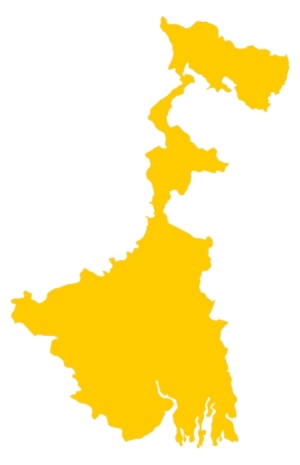 West Bengal
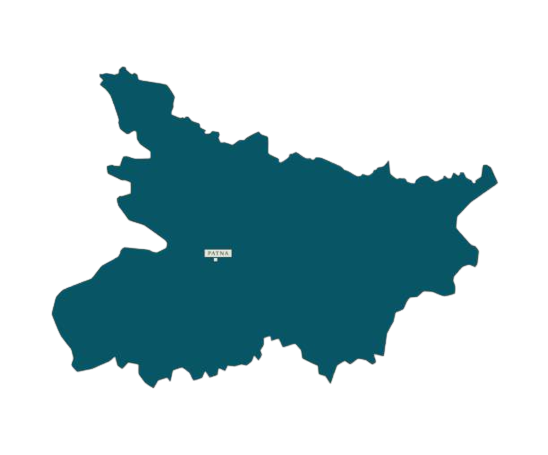 Bihar
Bihar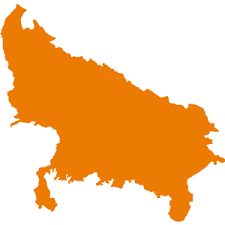 Uttar Pradesh
 Jharkhand