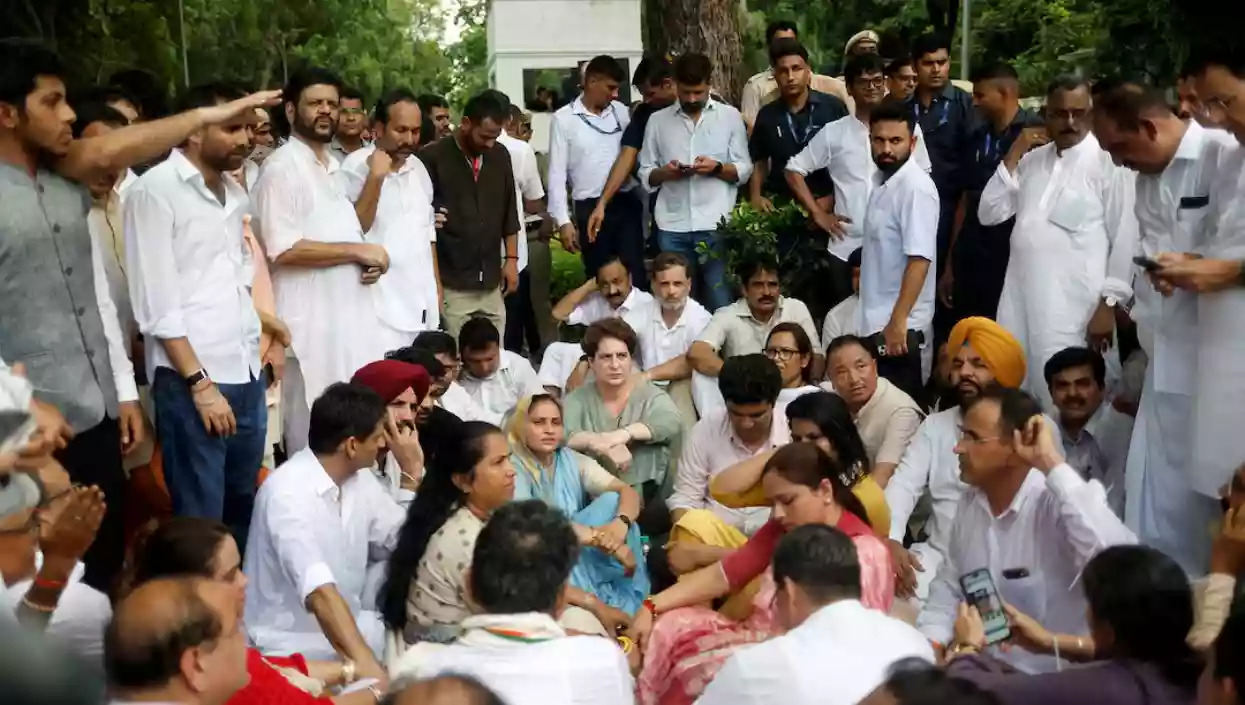
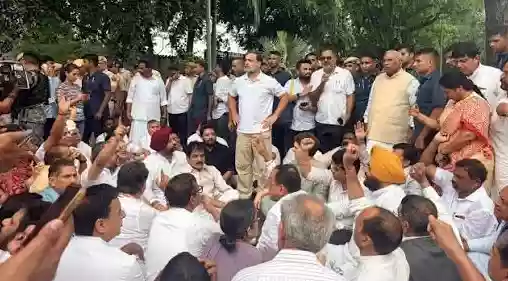
Police removes Rahul, Priyanka, other Congress leaders from dharna site near PM Modi's residence
.gif)

Download Mobile App 






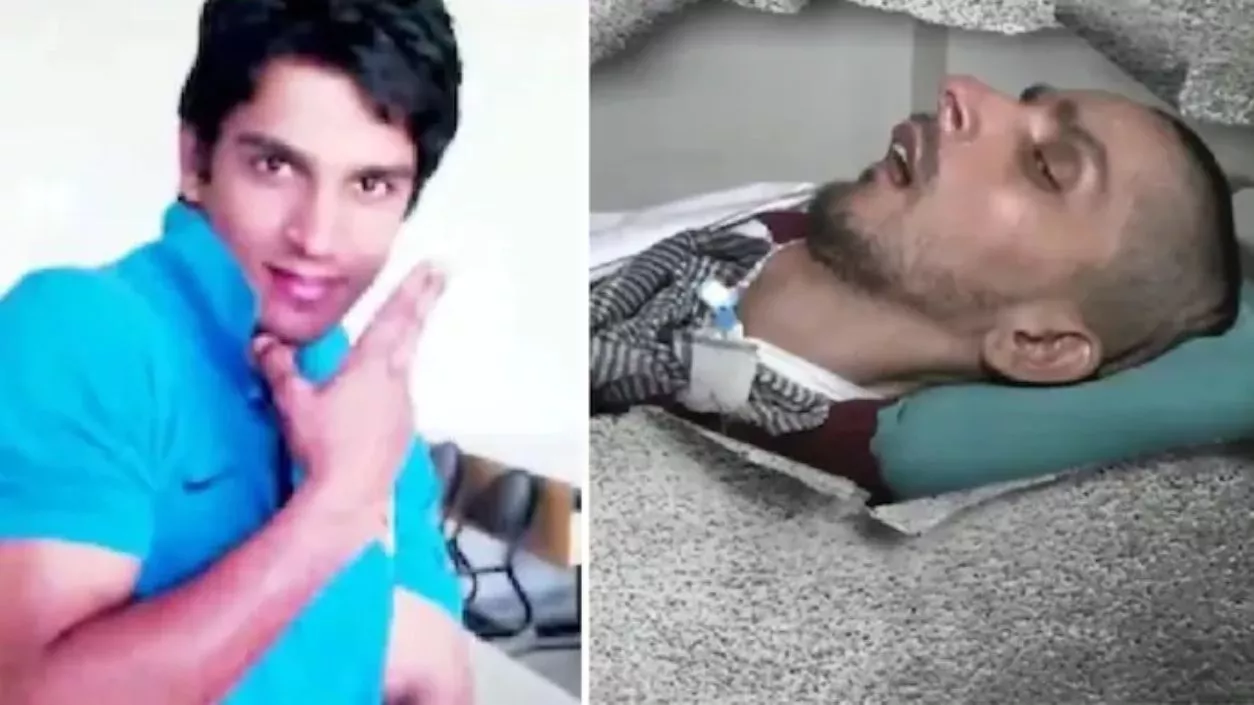
The Supreme Court on Wednesday permitted passive euthanasia for Harish Rana, a man who has remained in a vegetative state for nearly 13 years after suffering severe head injuries in 2013. The court allowed the withdrawal of medical treatment supporting his life, effectively permitting him to die with dignity.
Rana sustained critical brain injuries after falling from the fourth floor of a building and has since been dependent on artificial life support. His father had approached the court seeking permission to withdraw life-sustaining treatment, stating that the family had struggled with the prolonged medical condition and its consequences for over a decade.
While allowing the request, the court emphasised that such decisions must be based on a careful and consistent choice by the family, supported by medical opinion. The bench also clarified that clinically assisted nutrition provided through feeding tubes qualifies as medical treatment and can be withdrawn if medical boards determine that continuing treatment is not in the patient’s best interest.
The ruling further clarifies aspects of the Supreme Court’s 2018 guidelines recognising passive euthanasia, particularly in cases where patients are sustained through medically assisted nutrition. The court’s order allows the withdrawal of life-supporting treatment in a hospital setting following due medical and legal procedures.


.webp)

 West Bengal
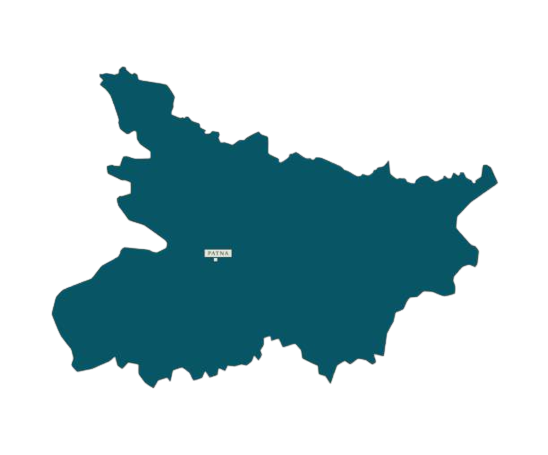 Bihar
Bihar Uttar Pradesh
 Jharkhand