
Abhishek slaps 10-crore defamation notice on Madan Mitra over 'murderer' jibe
.gif)

Download Mobile App 






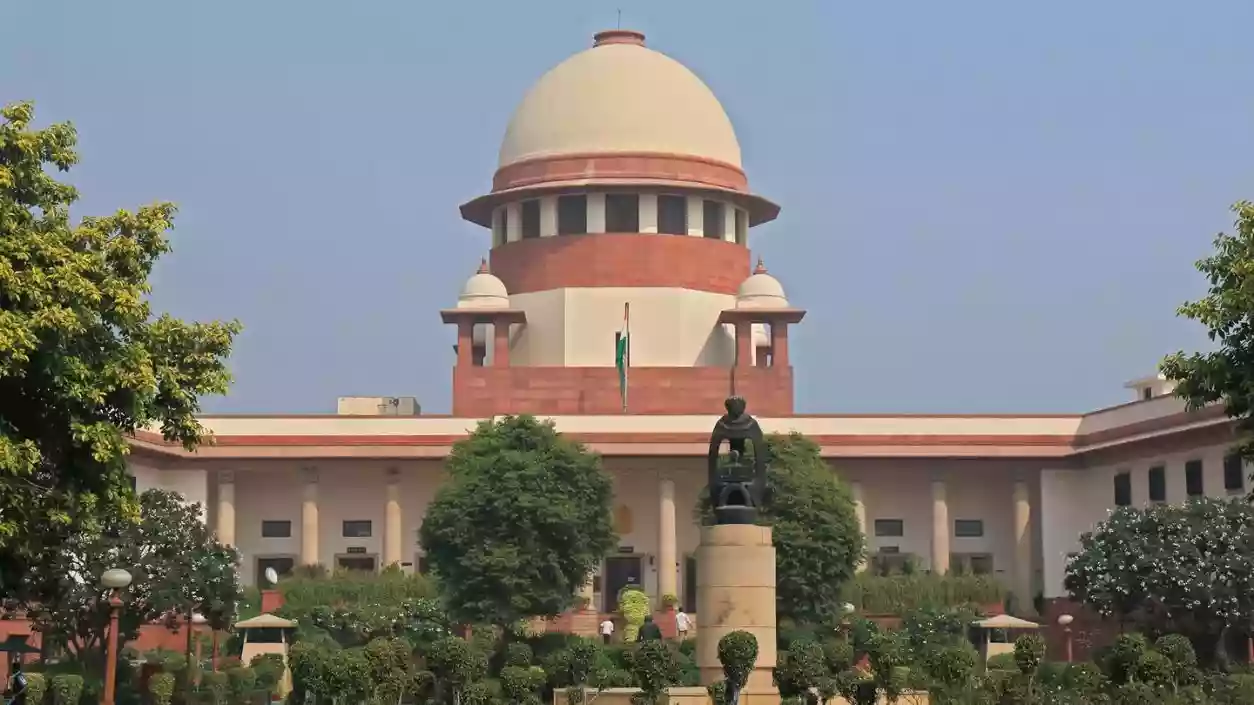
The Supreme Court, hearing the Sabarimala case, has asserted its authority to examine religious practices for elements of superstition, stating that judicial review cannot be limited by claims that the legislature has the final word. A nine-judge Constitution bench led by Chief Justice Surya Kant made the observation while considering the constitutional challenge to restrictions on the entry of women aged 10 to 50 into the Sabarimala temple.
The bench clarified that courts have the jurisdiction to determine whether a practice is superstitious, even if rooted in religion, and cited examples such as sati, witchcraft, and human sacrifice to underline its position. It emphasized that while the legislature may decide how to act on such findings, the judiciary cannot be prevented from examining practices against constitutional principles of morality, public order, and justice.
The remarks came in response to arguments by Solicitor General Tushar Mehta, who contended that secular courts lack the expertise to determine what constitutes superstition in religious contexts. He argued that India’s diverse traditions require deference to legislative judgment, stating that courts are experts in law, not religion. However, the bench pushed back, noting that constitutional courts routinely test principles to their limits to assess their validity.
During the hearing, judges highlighted that if practices like witchcraft were claimed as religious, courts could still intervene under constitutional provisions. The bench reiterated that judicial intervention is justified where practices violate public order, morality, or fundamental rights, even if the legislature has not acted. It also stressed that denying such jurisdiction would undermine the court’s constitutional role.
At the same time, the court acknowledged the need to assess whether a practice qualifies as an “essential religious practice” based on the philosophy of that particular faith. The hearing continues as the court examines the balance between religious freedom and gender equality, with the Centre maintaining that the Sabarimala restrictions are rooted in tradition and the nature of the deity rather than discrimination.







 West Bengal
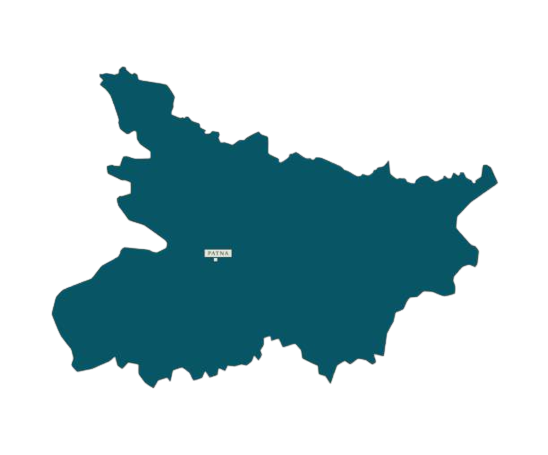 Bihar
Bihar Uttar Pradesh
 Jharkhand